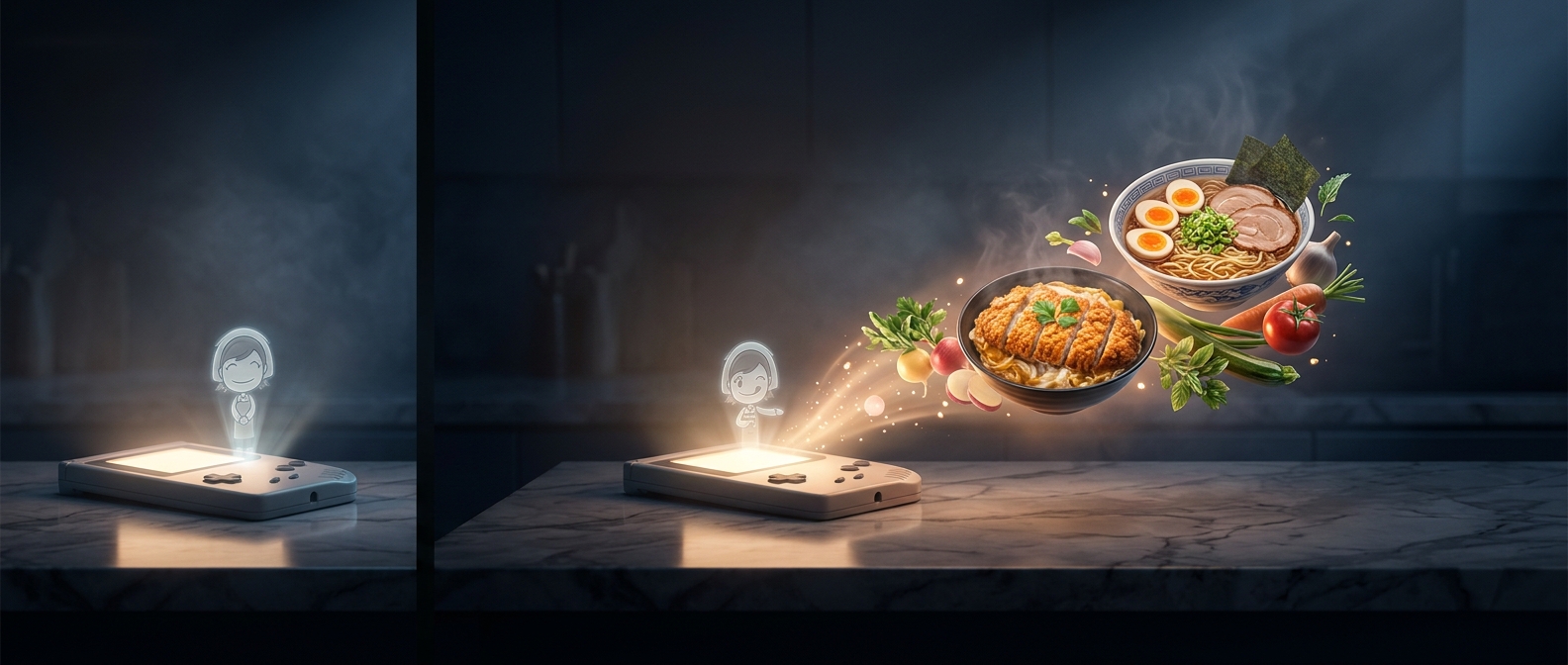
A game routine built from kitchen logic
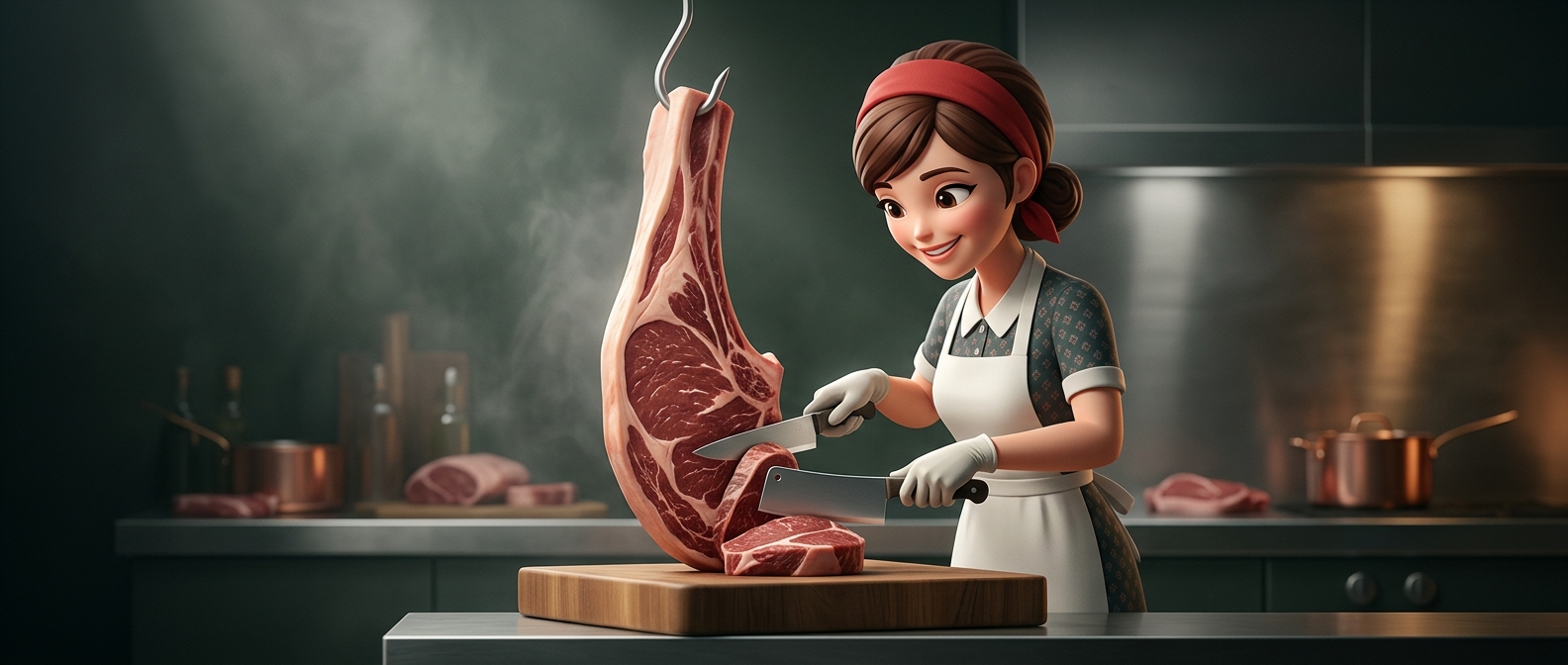
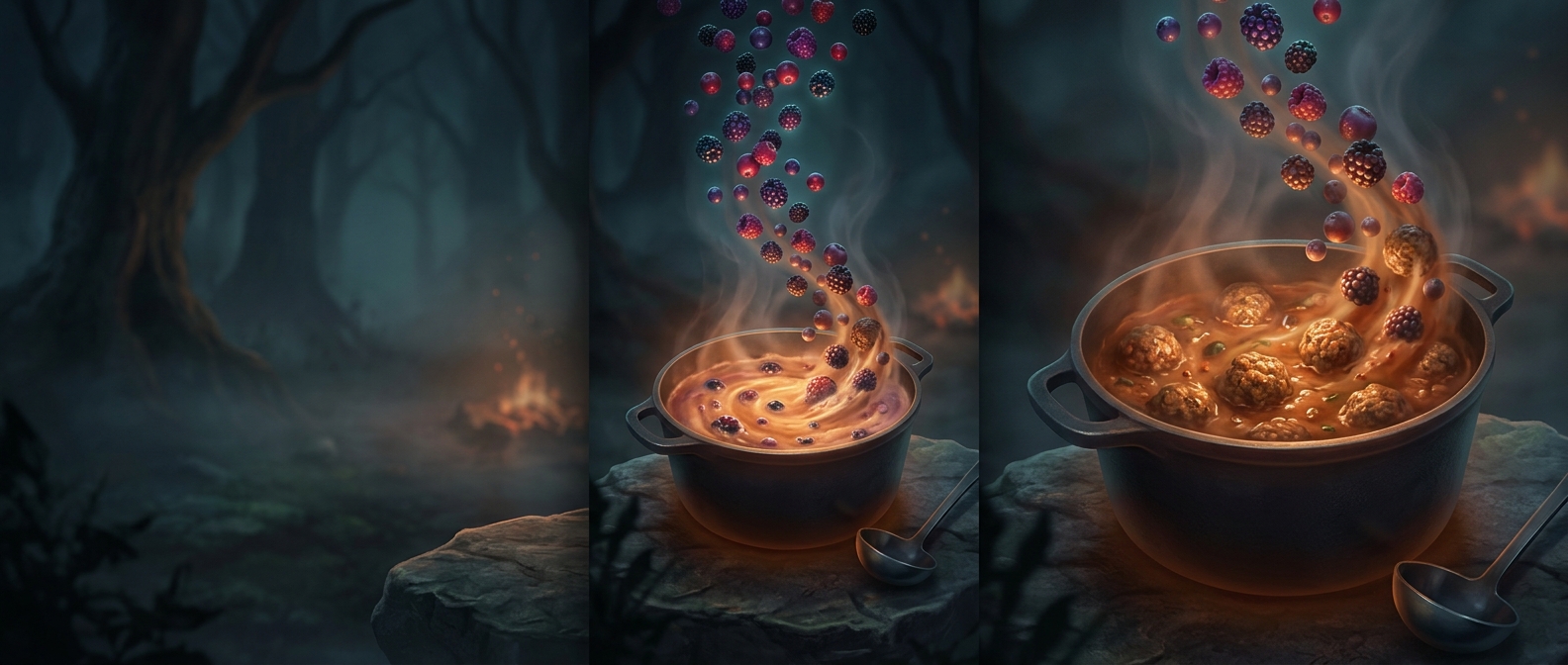
Cooking Mama’s cooking challenges are more than food-themed button prompts: their actions follow the order real recipes depend on. Ingredients have to be prepared before they can be combined, a filling or dough has to be assembled before it can be cooked, and the finished dish needs its final handling before serving. That sequence is what makes the game useful as a rough kitchen rehearsal. It teaches the logic of a recipe: each step changes the food in a way that makes the next step possible.
From screen gestures to real cooking
The translation works because the minigames stand in for familiar physical jobs. A timed slicing action represents cutting ingredients; stirring represents mixing them evenly; assembling represents bringing separate components together. In a real kitchen, those actions take longer and require judgment about texture and doneness, but the underlying order still matters. Skip or rush a step, and the result can change.
A player can use that sequence to guide a real pie, treating the game as a reminder of what comes next rather than as a substitute for the recipe’s practical details. Real equipment does not respond to a button press: an oven needs an appropriate temperature, and food must be checked as it cooks. The surprising part is not that a game reproduces every kitchen skill, but that its playful sequence is grounded enough to lead to an edible result.