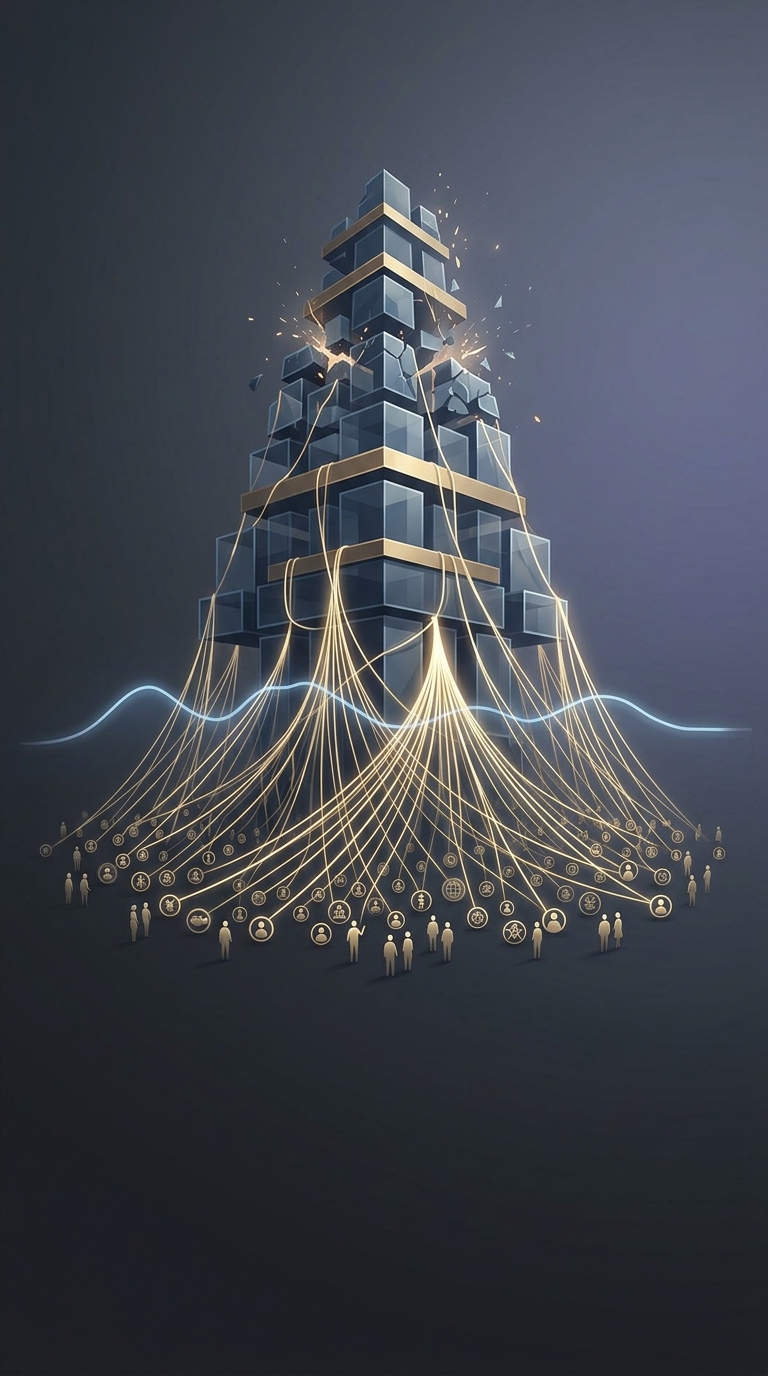
Care Becomes a Claim on Future Help
Fureai kippu is a form of time banking: instead of paying volunteers in money, a community records the time they spend helping older people. A volunteer might assist with shopping, meals, or other everyday needs. The hours become credits that can be used later for care, rather than wages that can be spent anywhere.
That changes the usual direction of a care transaction. Someone who is able to help now can build a claim on help for a later stage of life, when age, illness, or circumstance makes it harder to manage alone. The system treats time contributed to the community as a resource that can circulate.
A Credit Can Cross Distance
Some arrangements allow a volunteer to direct earned credits to a parent living elsewhere. The volunteer gives time to an older person nearby; the parent may later draw on care through a participating organization closer to home. The exchange is not a parcel of money sent between households. It depends on local groups to record credits, find volunteers, and connect people who need help.
That network is the practical hinge. A credit has value only if a participating community can provide the service it represents, so coordination matters as much as generosity. The arrangement can make distant family support more tangible, while also linking care work to people beyond one family.
What the System Rewards
Because credits are tied to time, the model recognizes care that markets often leave unpaid or difficult to price. But it does not make every task interchangeable: the usefulness of a saved hour depends on what help is available, where it is needed, and whether a volunteer can be matched to it.
Its distinctive promise is therefore not that care becomes effortless or cost-free. It is that help offered today can count toward help needed tomorrow—sometimes for the person who earned it, sometimes for a parent far away.