Why unattended retail fits Japan
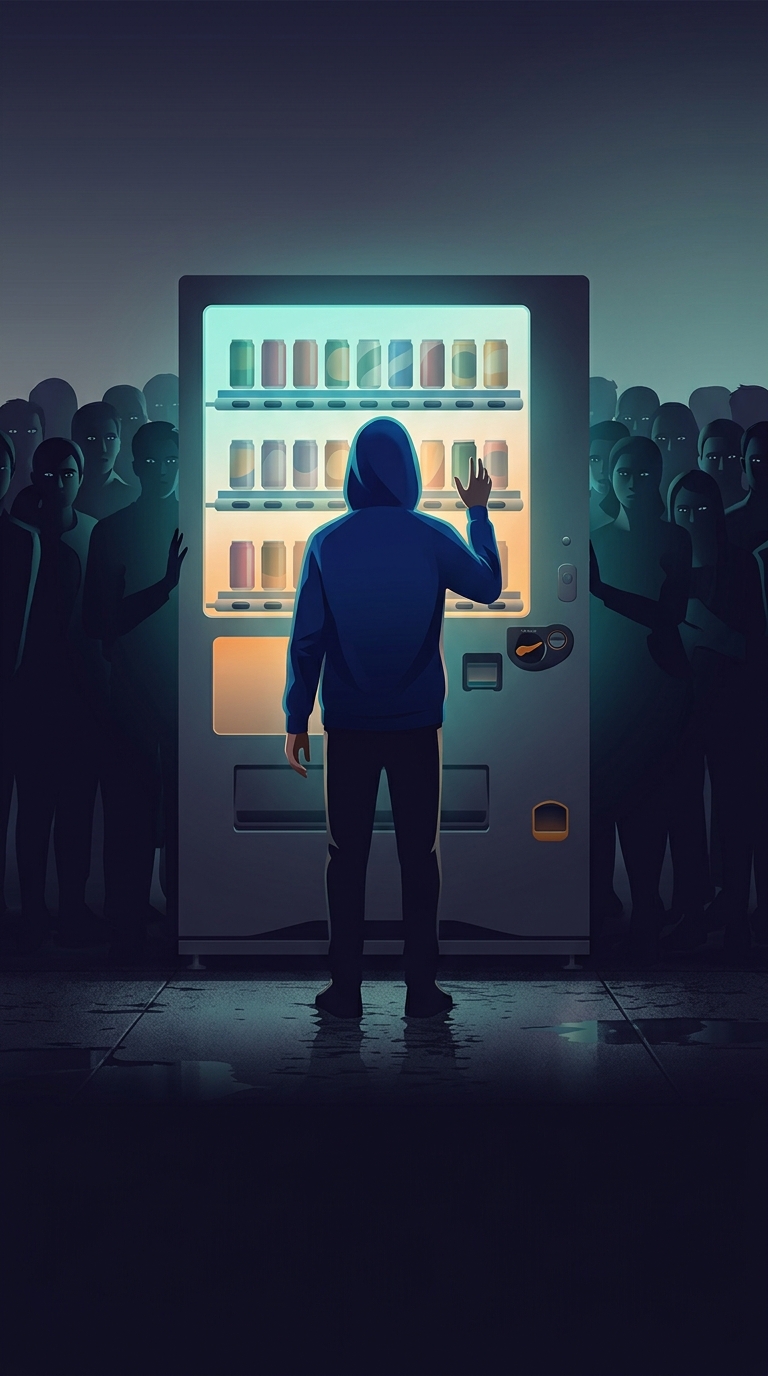
A vending machine can serve a small stream of customers without requiring a shop to keep an employee on site. That makes it useful not only on busy streets but also beside workplaces, in residential areas, and at places where a full store would be costly to run. Japan’s dense neighborhoods and extensive rail and pedestrian traffic create many such spots; its smaller towns and rural areas offer another use, where a machine can keep basic purchases close at hand even when nearby shops are limited.
The model works especially well for packaged drinks. They are standardized, easy to stock, and can be sold from machines that chill or heat them. A customer can buy one quickly, while the operator avoids staffing a counter. The machine still needs electricity, space, repairs, and regular restocking, so its success depends on a dependable supply network and enough local sales to cover those costs.
Convenience has a business behind it
Japan’s vending density reflects more than a taste for convenience. Operators can place machines in locations that would not support a staffed shop, while property owners can earn from a small patch of space. Manufacturers and distributors benefit when a large fleet can be serviced and replenished efficiently. For customers, the payoff is access at hours or in places when other retail options may be scarce.
That arrangement also has limits: a machine is most practical when its products are predictable and the site is easy to maintain. It cannot replace the range or service of a store. But where a quick drink is all someone needs, a tiny, unattended outlet can make otherwise marginal retail space pay its way.