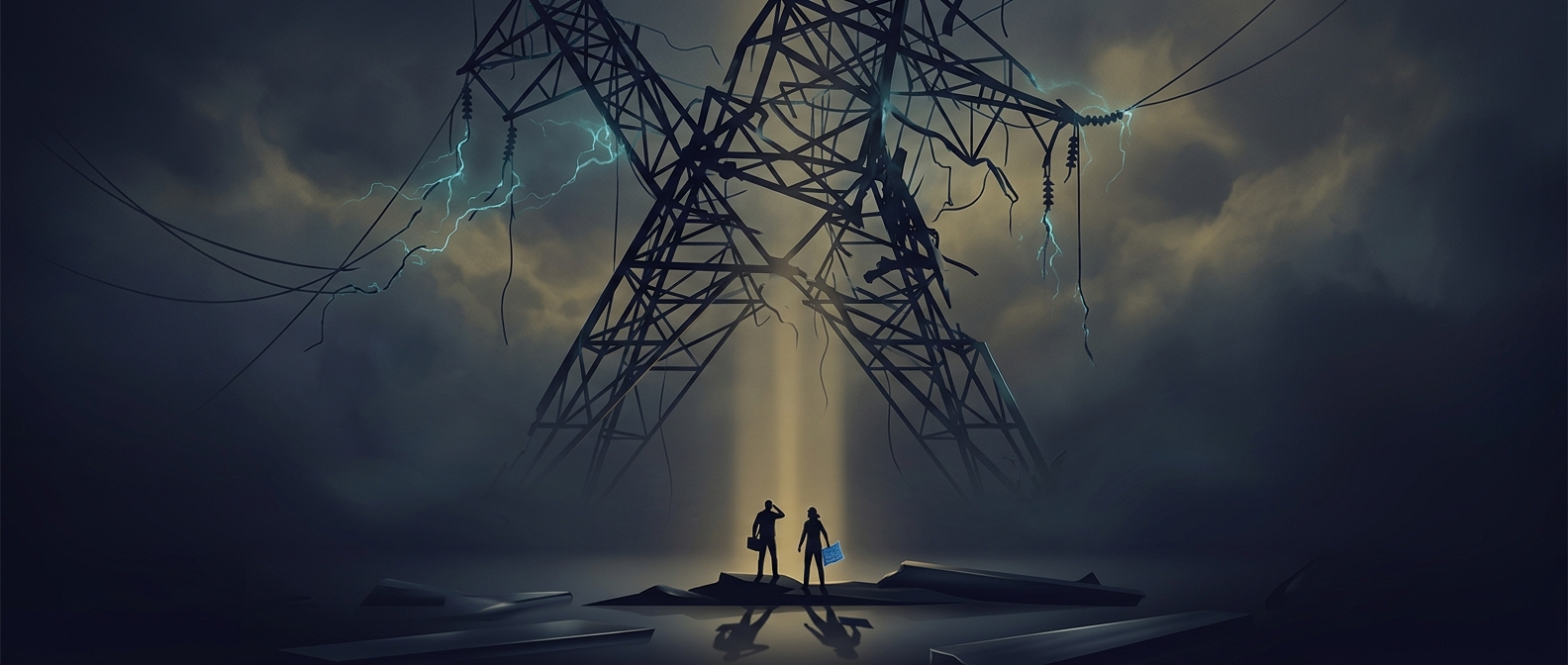
How a two-person firm could take on a $300 million rebuild
The Montana company at the center of Puerto Rico’s power-restoration contract did not have to employ every lineman, truck operator, or engineer needed for the job. It could serve as the prime contractor: the firm holding the main agreement and responsible for arranging the work, while subcontractors supplied much of the labor and equipment.
That structure can expand a small company’s reach quickly. Instead of building a large workforce before a disaster, a contractor can assemble crews and services through other firms. But the headline contract value is not the same as money retained by the company—or proof that it had the capacity to perform all the work itself.
The tradeoff: speed versus oversight
After a major disaster, restoring electricity means coordinating people, vehicles, parts, and repairs across a damaged system. A prime contractor can act as a single point of contact, but every subcontracting layer adds coordination work. The agency overseeing the contract still needs to know who is doing the work, what is being paid for, and whether progress matches the bill.
That distinction mattered in Puerto Rico: a company with just two employees was linked to a contract worth hundreds of millions of dollars, while much of the physical rebuilding was subcontracted. The arrangement shows how disaster contracts can place enormous responsibility—and public scrutiny—on a small firm acting as the gateway to a much larger workforce.