A contest built for a crowded office
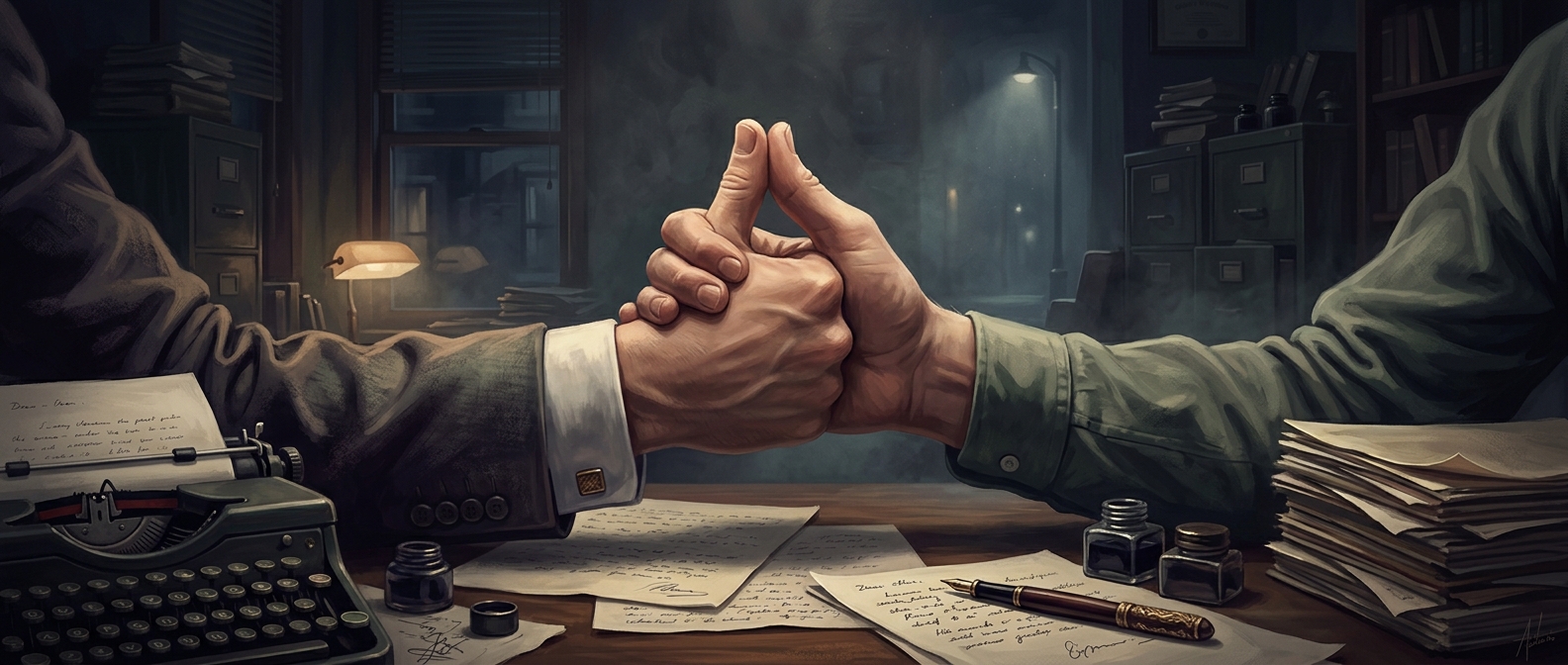
One origin story places thumb wrestling in the workplace of an advertising executive, where colleagues needed a quick way to settle disagreements without risking their expensive suits. The appeal is easy to picture: instead of shoving, wrestling, or taking a dispute outside, two people could make a contest of a movement small enough to keep their jackets intact.
Why the thumb makes a useful referee
The game turns a handclasp into a tiny arena. Each player tries to pin the other’s thumb, so the contest has a clear objective and can end in moments. The rest of the hand stays joined, limiting how much either person can move around. That makes the challenge feel competitive while keeping it compact and comparatively gentle.
In an office, that combination matters. A contest can break a stalemate without requiring equipment, space, or a lasting argument over who won. The story’s memorable detail is not just that a game began as a bet; it is that its scale suited the stakes—and the clothing. The dispute could be decided with two thumbs, while the suits stayed out of it.