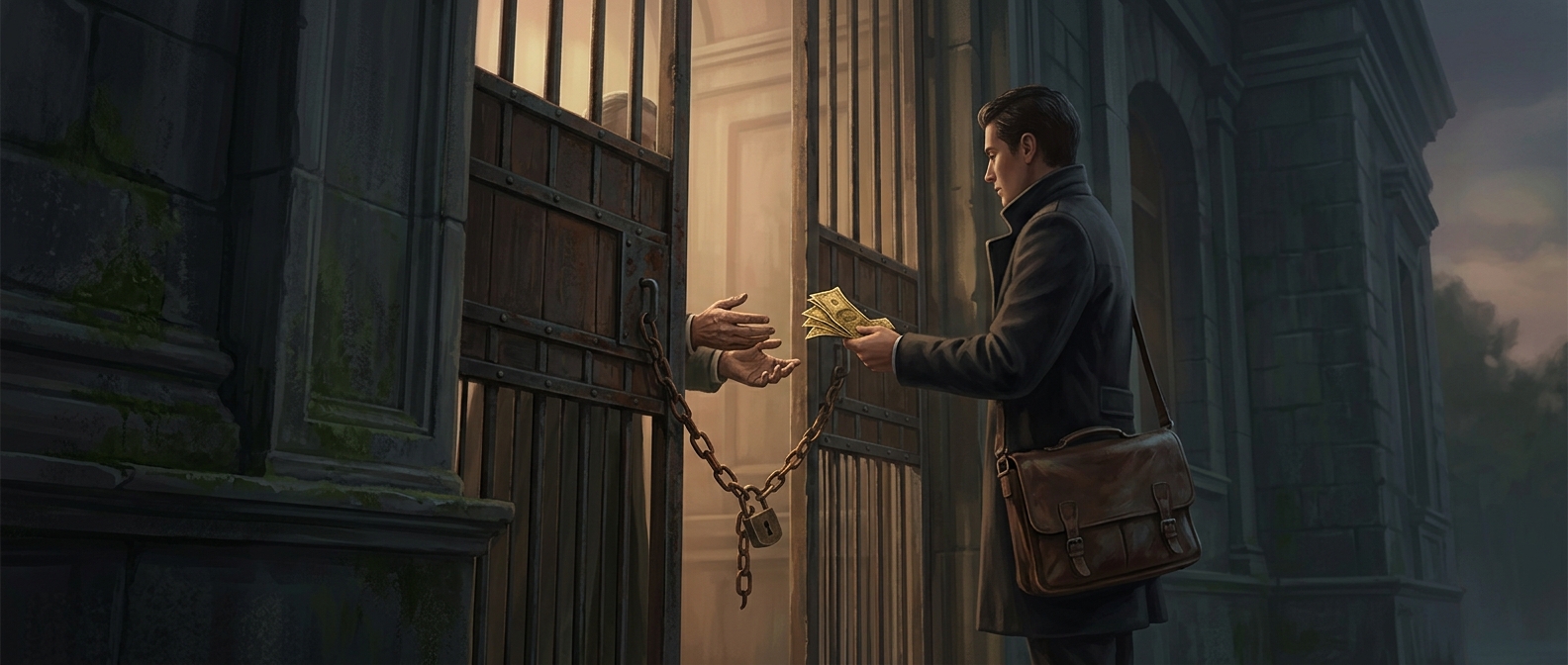
Why a Cashier Can Refuse a Bill
In the United States, “legal tender” describes what can be used to pay a debt; it does not generally require a business to accept cash for every sale. Before a purchase is completed, the customer and seller are still deciding whether to make a deal. A shop can set its payment terms—such as card only—and decline the proposed cash payment, unless a state or local rule says otherwise.
That distinction is about when an obligation exists. If you hand over cash for an item and the store accepts the sale, payment completes the transaction. If the store refuses the cash before agreeing to sell, there may be no debt to settle.
What Changes Once You Owe Money
A debt is an obligation that already exists: for example, a bill for something received or a payment due under an agreement. Federal law recognizes U.S. coins and currency as legal tender for debts. The rule concerns payment of that obligation, not a guarantee that every business must accept paper money at the counter.
The terms of an agreement can still matter. A bill may specify how and when payment is due, and a dispute can turn on those terms and the circumstances. “Legal tender” is therefore not a universal override for every payment policy or deadline.
The Practical Difference
The key question is whether you are proposing a new transaction or paying an existing obligation. A café can generally decline cash before making a sale; a customer who already owes a bill is in a different situation. Local laws may impose additional cash-acceptance requirements, so the answer can vary by location.
The distinction is easy to miss because both moments involve handing over money. But one is an offer to buy; the other is an attempt to discharge a debt.