When a banknote buys less than the paper it is printed on
Money works because people expect others to accept it in exchange for useful things. In a severe inflationary collapse, that expectation can break down: prices rise so quickly that the same stack of notes buys less from one day to the next. A paycheck paid in cash may lose much of its usefulness before its owner can spend it.
The notes do not necessarily vanish from circulation. Governments and banks may keep issuing them, sometimes in larger denominations, while shops change prices and people rush to trade cash for goods or a more dependable currency. The result is a strange divide: there can be plenty of money in people’s hands, yet too little purchasing power.
Why people left the bills in the street
Once a note has almost no practical value, carrying or collecting it can seem pointless. If it cannot buy anything worthwhile—and is not expected to recover its value—then it is just paper to its holder. That is how cash meant to represent wealth could end up underfoot, swept aside with ordinary refuse.
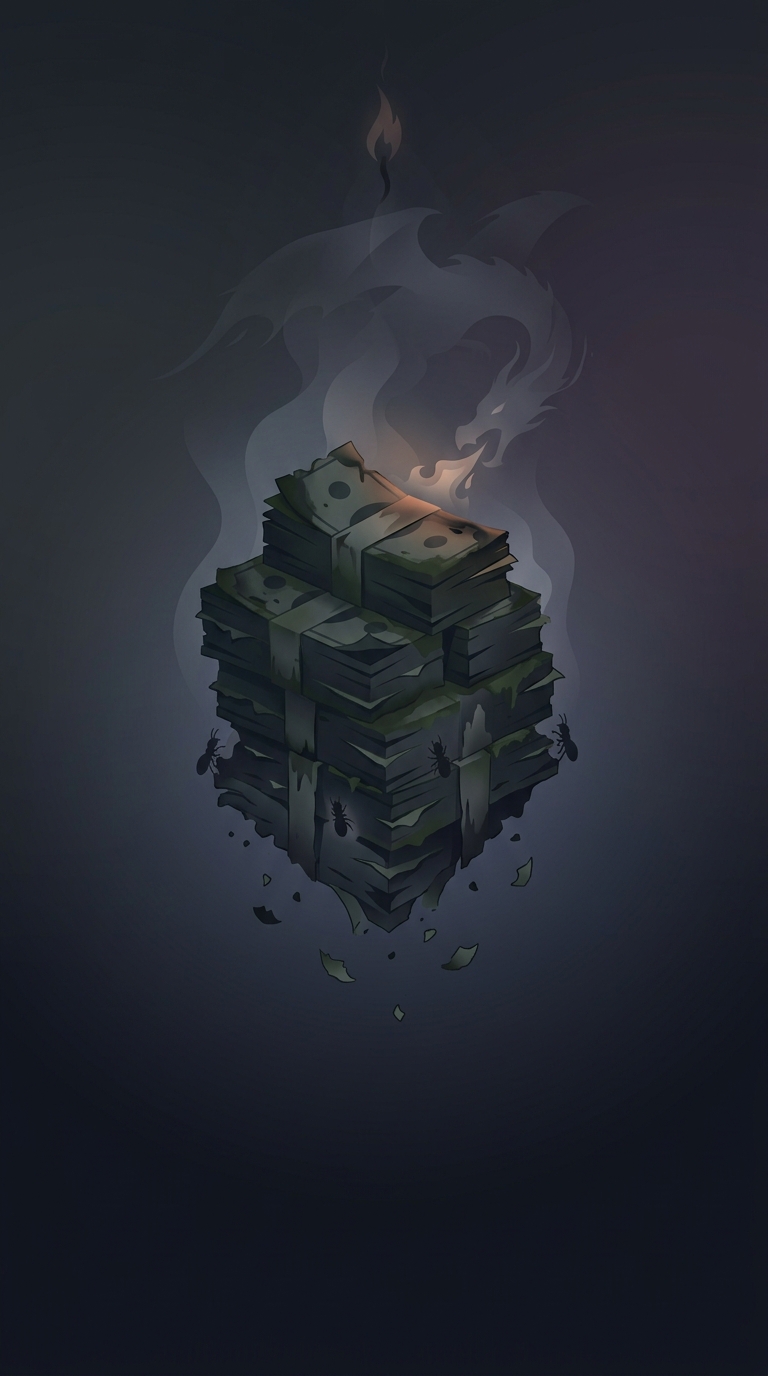
The sight of banknotes being shoveled into gutters captures the collapse more vividly than a price chart: the physical currency still existed, but the shared confidence that made it money had largely drained away. When that confidence goes, a pile of notes can become less useful than the small purchase it once promised.