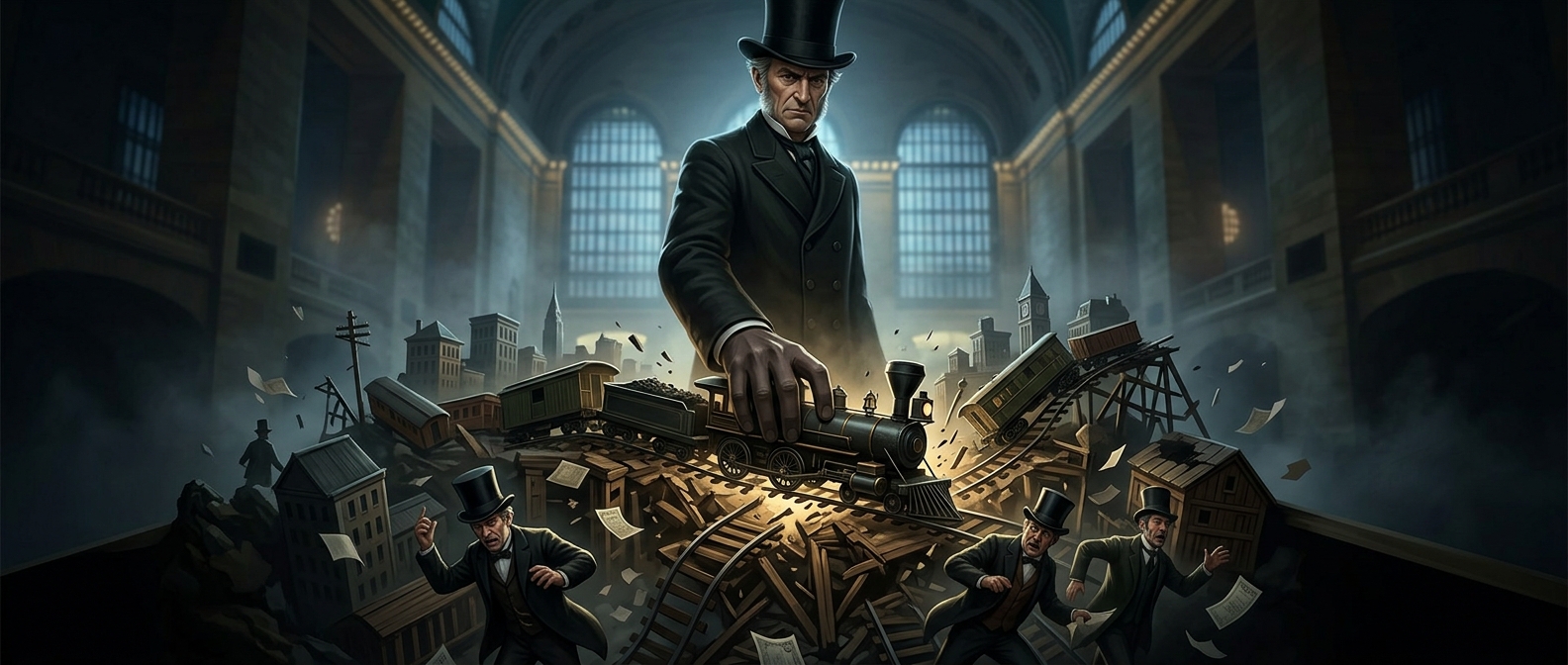
A short bet does not require a corporate collapse
A short seller can make money when a stock falls even if the company survives. The bet is on the share price, not necessarily on bankruptcy: disappointing earnings, lost customers, heavy debt, or a costly business setback can all push a price down. If the shares later cost less to replace, the seller keeps the difference after returning the borrowed shares and paying borrowing costs.
That distinction matters with giant corporations. Bankruptcy is an extreme outcome, and investors can profit from a decline long before a company reaches it. A short seller may close the position once the price has fallen enough—or lose money if the market decides the business is stronger than expected.
Why a large company can still be a target
Size does not make a stock immune to a changing outlook. Large firms can have valuable divisions and still face falling profits, a debt burden, or a business model investors begin to doubt. Short sellers may study those weaknesses and take a position when they think the market has priced in too much optimism.
Their research can also draw attention to risks other investors have overlooked. But a short position is not proof that a company is failing: it is a wager, and the seller has a financial incentive to see the share price fall.
The risk runs in the opposite direction
With a conventional stock purchase, the most an investor can lose is the amount invested. A short seller faces a different exposure: a stock can rise far above the price at which it was sold, making it increasingly expensive to buy back. The seller may also have to pay to borrow the shares, and the lender can require their return.
So even a well-researched bet against a troubled corporation can go wrong. The company may recover, or investors may keep bidding up its shares. A short seller does not need a bankruptcy to win—but can lose heavily while waiting for a decline that never arrives.