Why a Forensic Expert’s Time Costs More Than Testimony
A forensic expert is hired not just to explain evidence in court, but to work out what the evidence can—and cannot—show. That can mean reviewing police records, photographs, lab results, or medical files; checking how a test was performed; and preparing an analysis that can withstand questioning by the opposing side.
The hourly rate reflects specialized training and the responsibility attached to an opinion that may influence a verdict. But the bill also grows because expert work is case-specific: an expert must learn the record, assess competing explanations, and be ready to defend each conclusion. The courtroom appearance is the visible endpoint of a much longer stretch of paid work.
How the Cost Shapes a Case
A lawyer generally has to decide which questions justify expert help. The expert’s review may identify a weakness in the evidence, clarify a technical issue, or show that a proposed argument is unlikely to hold up. Those insights can matter even if the expert never takes the stand.
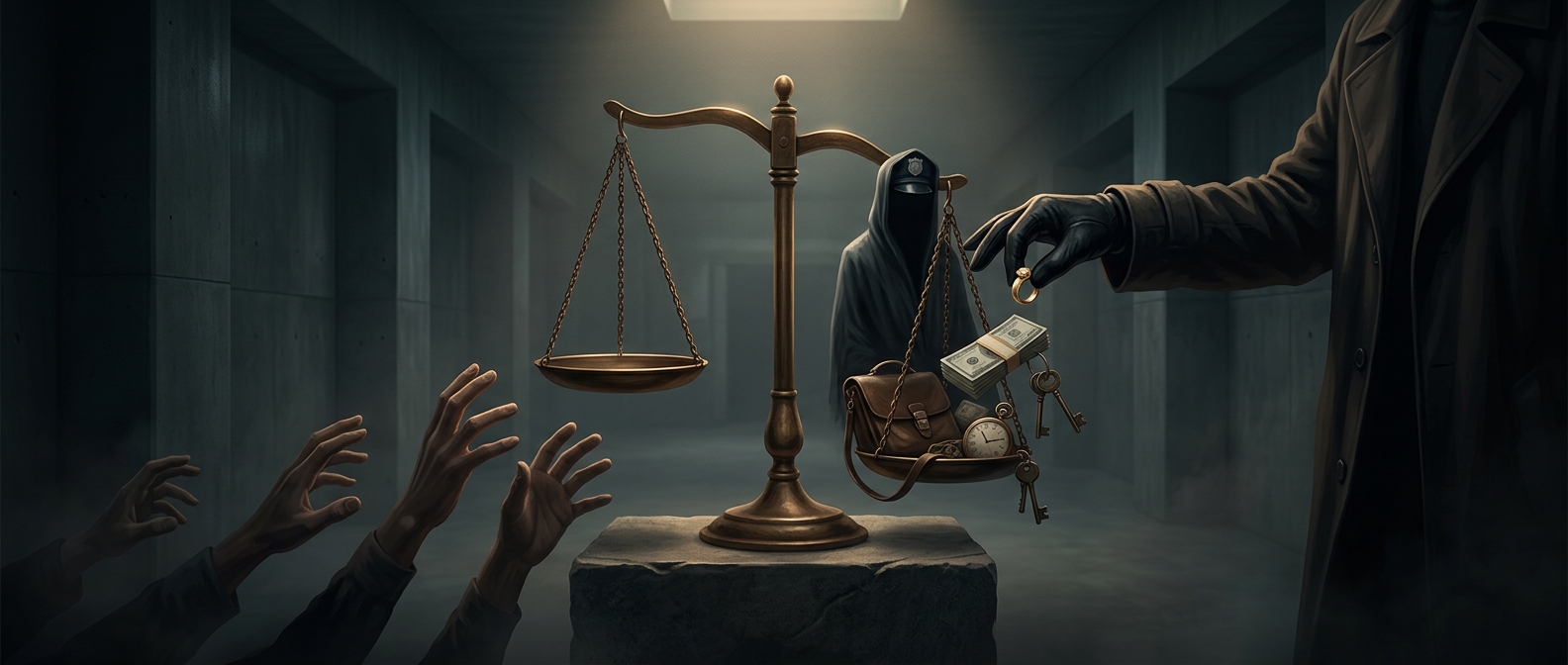
This creates an uneven financial burden. A privately funded defense may pay directly for consulting and travel, while a defendant with limited resources may have less ability to obtain independent expertise. Publicly funded cases can also involve experts, but the available resources and approval process differ. The result is that access to technical scrutiny can depend partly on who can afford the time and work required to provide it.
The Invoice Is Part of the Evidence’s Cost
Expert fees do not determine whether a conclusion is sound, and a high bill does not make an opinion more reliable. They do determine how much analysis a legal team can commission and how thoroughly it can test technical claims. By the time a jury hears an expert’s explanation, much of the expense may already have gone into understanding the case behind it.