One work can have two routes of use
A Creative Commons NonCommercial license separates permission to share a work from permission to use it commercially. The creator keeps copyright but grants the public certain uses in advance—such as copying or, depending on the license version, adapting the work—so long as the use is noncommercial and the user follows the license’s other conditions, such as giving credit.
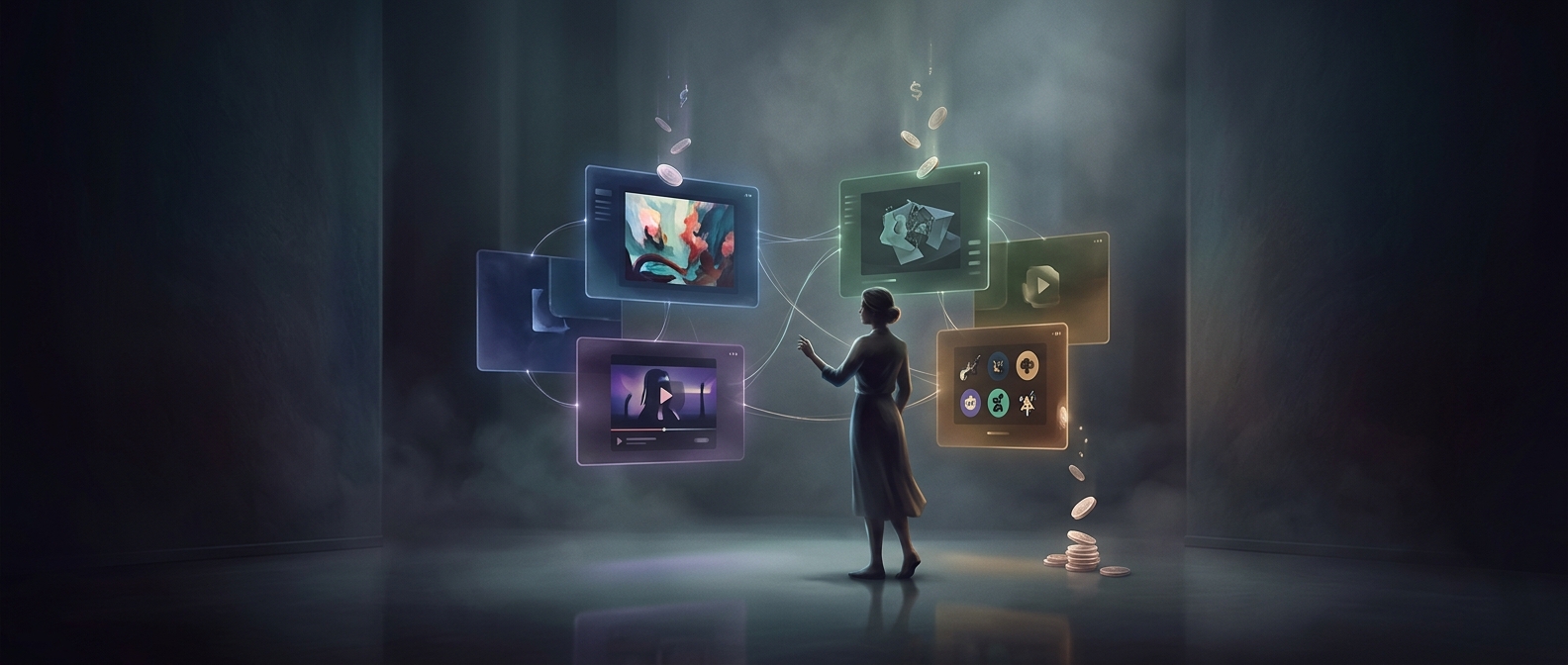
That creates a broad, low-friction route for personal projects, classrooms, or fan communities, while leaving commercial use for a separate conversation. A company that wants to put the work in an advertisement, for example, may need to ask the creator for permission rather than relying on the public license.
The boundary is about purpose, not just payment
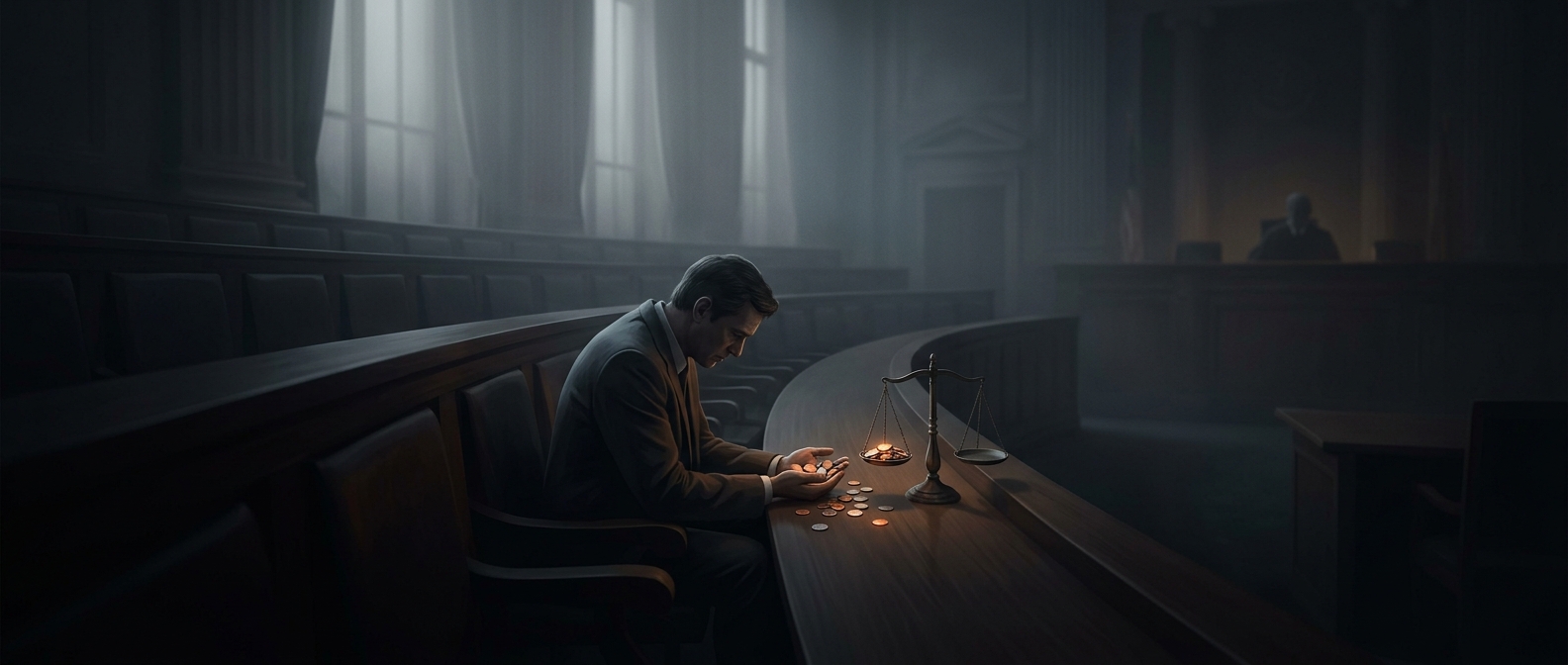
“Noncommercial” is not a simple rule that any money changes the answer. The relevant question is whether a use is primarily intended for or directed toward commercial advantage or monetary compensation. A free download on a business’s promotional page could still serve a commercial purpose; a creator charging for a copy does not, by itself, settle how every other use should be classified.
This flexibility can help creators make work widely usable without giving every business automatic permission to profit from it. But the license does not guarantee income: a creator must still identify a commercial use, negotiate terms, and secure agreement. The practical tradeoff is a public sharing permission paired with a reserved opportunity to license particular uses separately.