Bankruptcy can pause the scramble for assets
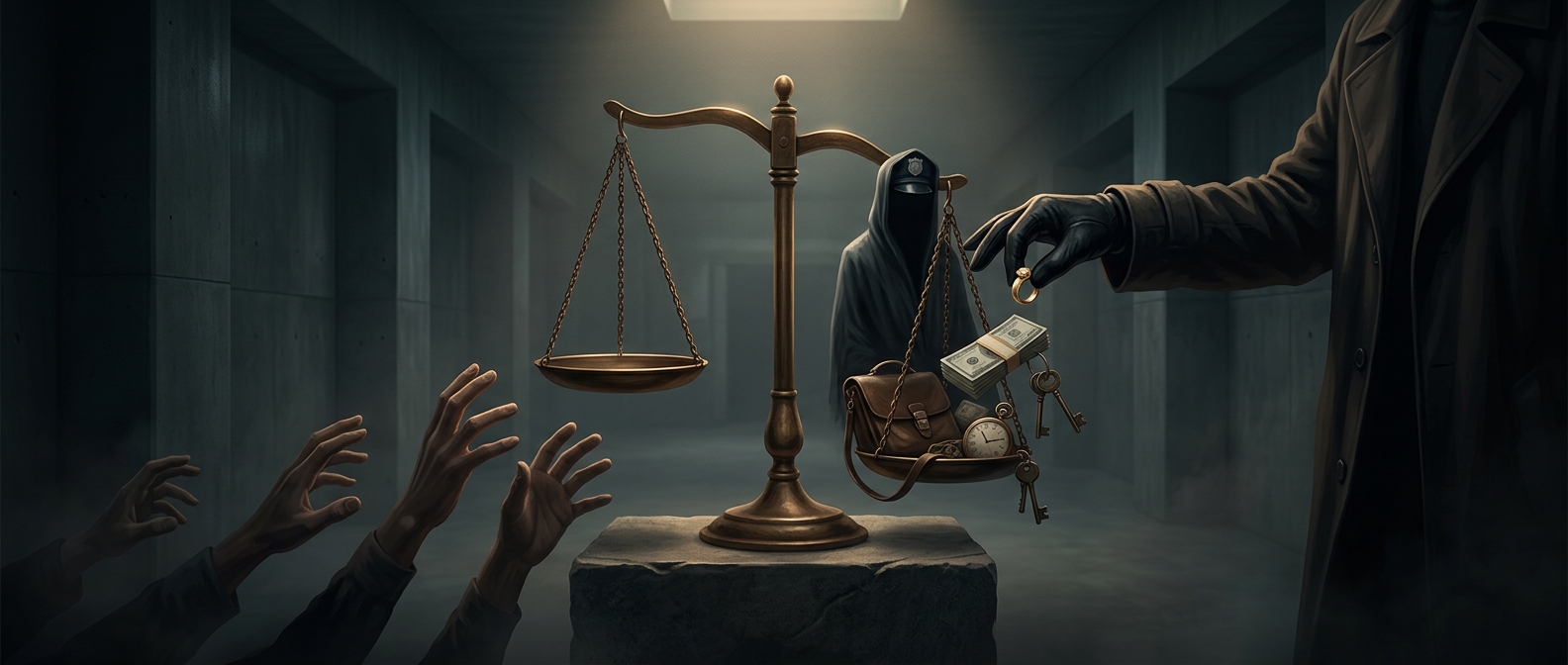
When a U.S. company files for Chapter 11 bankruptcy, an automatic stay generally takes effect. It temporarily halts many collection efforts, lawsuits, and attempts to seize the company’s property. Without that pause, creditors might race to claim assets, making an orderly recovery much harder. The stay is not forgiveness: debts remain, and a bankruptcy judge can allow particular actions to proceed.
The business remains under court supervision
Chapter 11 is designed to give a company a chance to reorganize, not necessarily to liquidate. In many cases, existing managers continue running day-to-day operations as “debtor in possession,” while the company must follow bankruptcy rules and report to the court. It still needs cash for essentials such as payroll, inventory, rent, and suppliers. Some new borrowing or other major decisions may require court approval.
The practical goal is to keep the business operating long enough to work out a plan. A functioning company may be worth more to creditors than one whose doors close, equipment is sold off, and customers disappear. Continuing to trade can preserve revenue and jobs while the company negotiates with creditors over how debts will be repaid, reduced, or restructured.
A pause, not a guaranteed rescue
Creditors vote on a proposed reorganization plan, and the court must approve it. The plan might change payment schedules, reduce certain obligations, or reshape the company. If the business cannot secure financing, win support for a viable plan, or meet ongoing expenses, it may still have to sell assets or shut down.
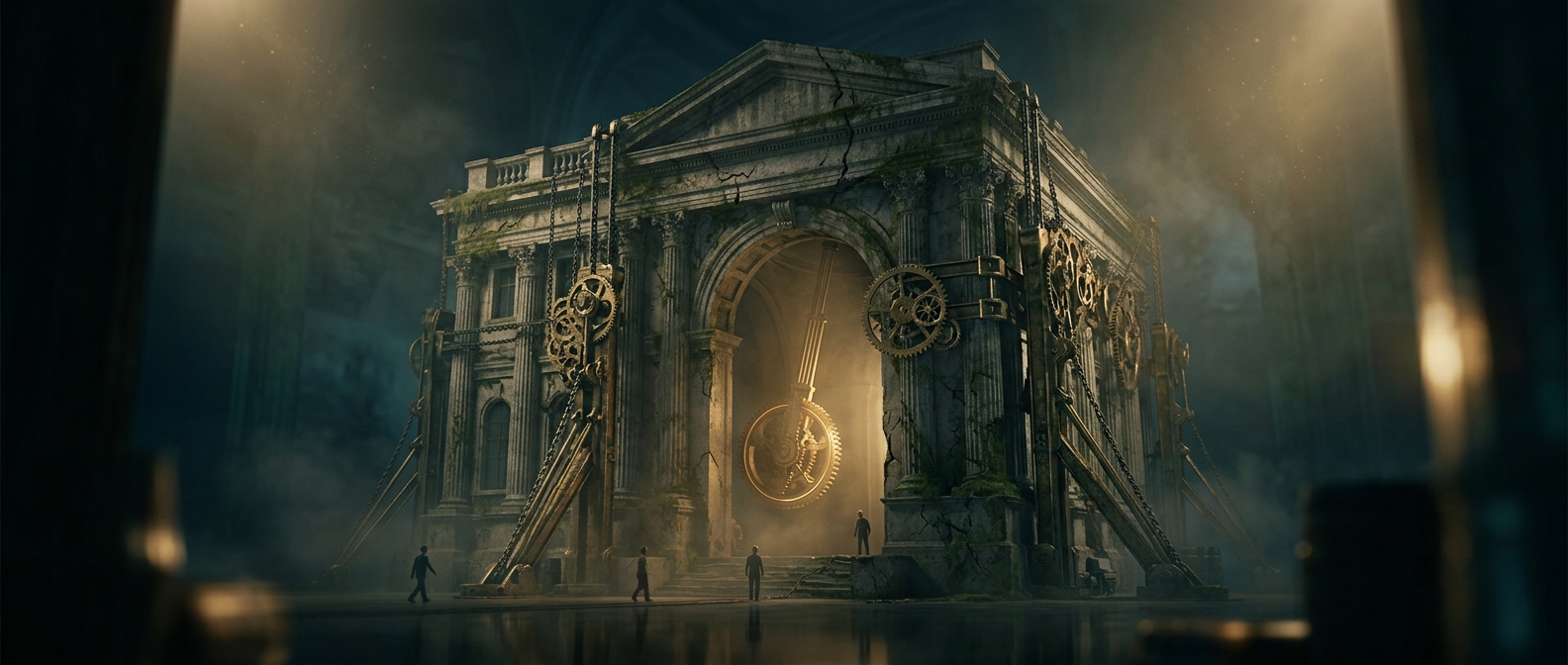
So bankruptcy does not automatically mean the lights go out. It can create a supervised window in which the company keeps serving customers—and tries to prove that continuing is better than closing.