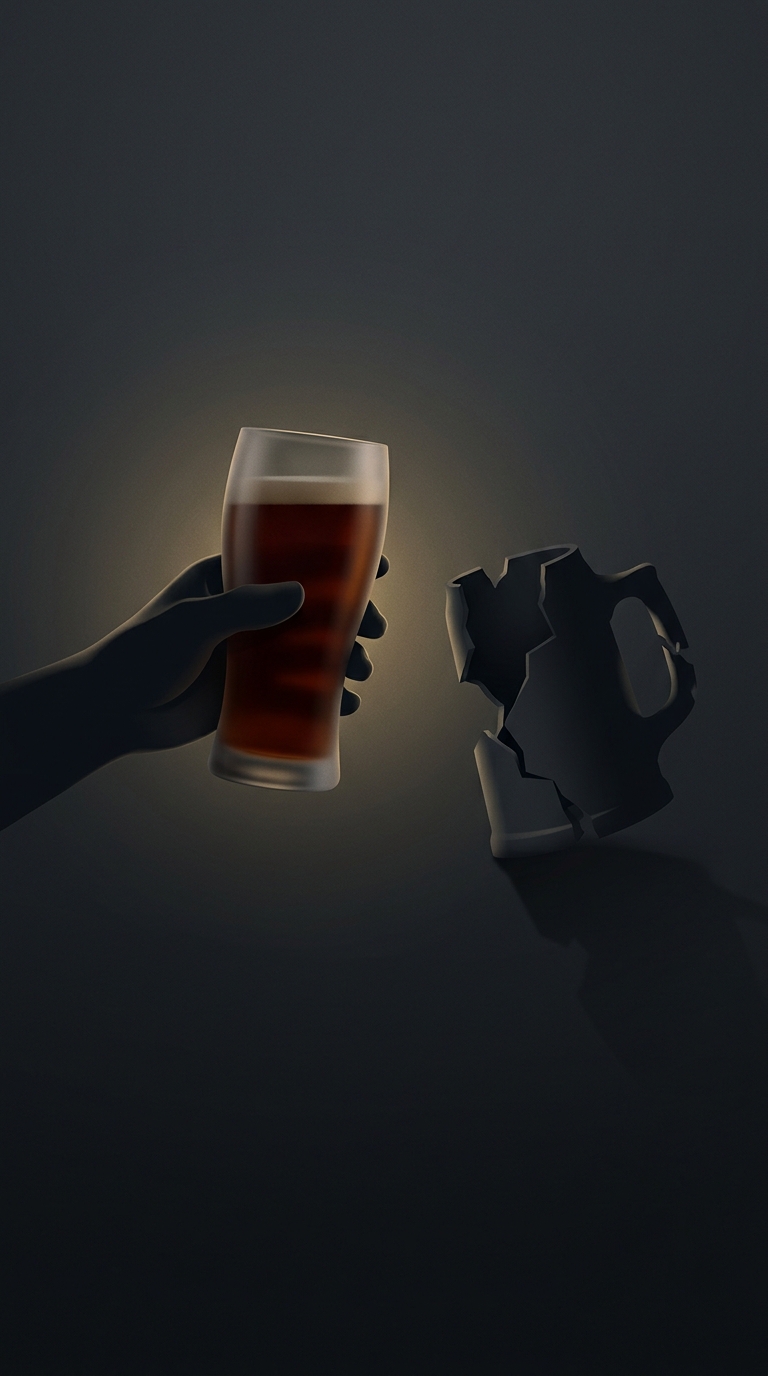
A Toast Without the Clink
In Hungary, raising a beer glass for a toast is ordinary; knocking it against someone else’s is traditionally avoided. The custom is commonly traced to the aftermath of the Hungarian Revolution of 1848–49, when Austria crushed Hungary’s struggle for independence.
The Story Behind the Silence
The account most often told links the taboo to the execution of Hungarian generals after the revolution. According to the story, Austrian officers celebrated the executions by loudly clinking their beer steins. Hungarians responded by resolving not to clink beer glasses for 150 years—a gesture of mourning and defiance expressed through an everyday social ritual.
The story is usually presented as tradition rather than a firmly documented origin. Its force lies in the meaning attached to the gesture: a familiar sound of celebration became associated with the defeat and humiliation of a nation.
How the Custom Works Today
A Hungarian toast can still include a raised glass and a spoken “cheers”; the taboo is specifically the clink. Visitors may encounter people who observe it, while others may treat it more casually. If in doubt, lift your glass without touching anyone else’s. It is a small adjustment, but one that lets a toast remain a toast without repeating the sound the custom remembers.