Why a Studio-Ready Tripod Stays at Home
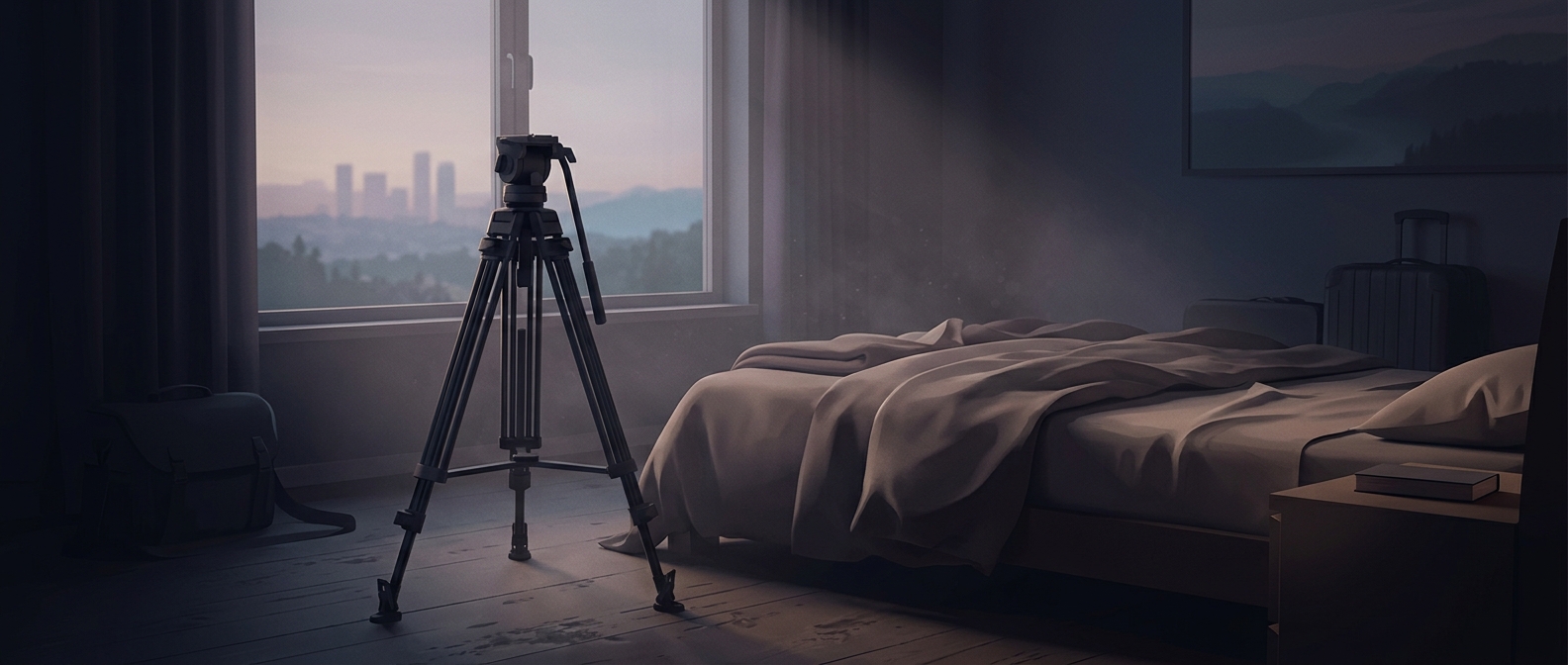
A heavy tripod earns its keep by resisting movement. Its mass and rigid legs help keep a camera steady, especially when a photographer uses a long exposure, a heavy lens, or carefully composes a shot and wants the framing to remain unchanged. At home, the tripod can be set up once and left in place, so that stability comes with little ongoing effort.
The Cost Appears Between Shots
Away from home, the calculation changes. A tripod must be carried through doorways, along sidewalks, or between locations, and its weight is paid for every step—not just when the camera is mounted. It also takes up space in a car or bag and can slow down a photographer who needs to move quickly or work in a crowded spot.
That makes a heavy model less convenient for casual outings, even if it performs well when deployed. A lighter tripod is easier to bring along, though it may be less rigid or less reassuring under a bulky camera. The useful choice depends on the shot: a fixed, low-light composition may justify carrying more support, while a walk with frequent stops may not.
The practical test is whether the tripod will be used enough to justify transporting it. If it is cumbersome to bring along, its stability cannot help with a photograph taken somewhere else.