A moving dot turns waiting into something customers can manage
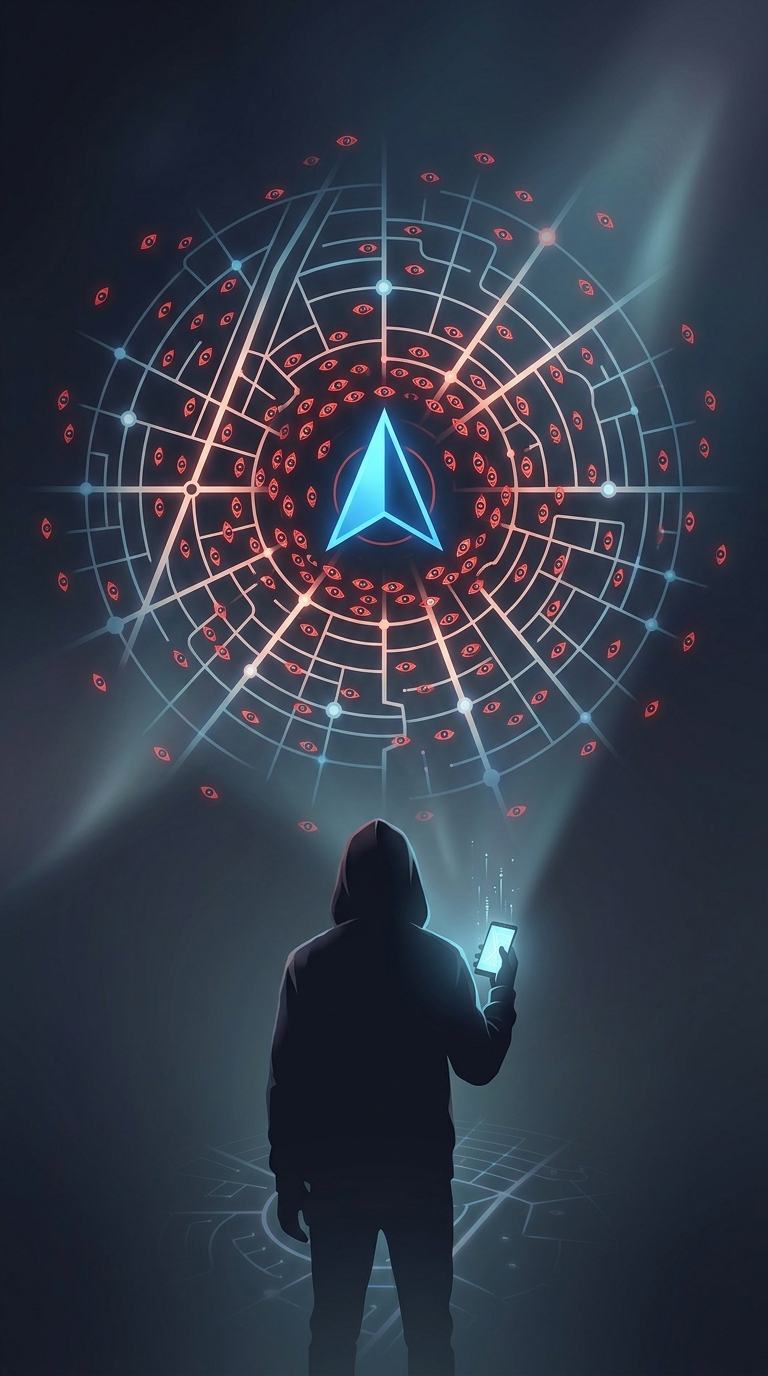
A delivery app’s map is more than a miniature navigation screen. It gives a customer a changing answer to the most pressing question after ordering: How much longer, and what is happening now? The app uses location data from the courier’s phone, combined with the order’s progress, to show movement toward the drop-off. That makes an uncertain wait feel more legible than a countdown that may suddenly change.
The dot is not necessarily a perfect view of the driver’s position. Phone GPS can drift, and location updates may arrive with a delay. The display is best understood as a live estimate, not a guarantee that the courier is exactly where the marker appears.
Transparency can reduce support costs—and cancellations
Without visible progress, customers may call the restaurant, message the courier, contact customer support, or cancel because they suspect the order has stalled. A map can head off some of that uncertainty by showing that the courier is moving, waiting, or nearing the destination. Fewer status questions mean less work for support teams and fewer interruptions for drivers trying to navigate.
The map also helps coordinate the handoff. A customer who sees the courier approaching can get ready to meet them or watch for the delivery at the door. That matters especially in buildings where finding the entrance or reaching the right unit takes time.
Reassurance is part of the product
Delivery platforms compete not only on food and speed but on how dependable the service feels. Showing progress gives customers a sense of visibility and control during a transaction in which the courier is otherwise out of sight. It can also make delays easier to understand: a marker that has stopped moving communicates something a static “on the way” label cannot.
That visibility comes with a tradeoff. Sharing a courier’s location helps customers plan, but it also exposes the worker’s movement during a delivery. The map is therefore both a practical coordination tool and a feature designed to make waiting—and the service itself—feel more trustworthy.