Why screens can leave eyes feeling tired
A screen does not have to injure the eye to make it uncomfortable. When people concentrate on text or images, they tend to blink less often, and some blinks are incomplete. Blinking normally spreads a thin tear layer across the eye’s surface. With fewer full blinks, that layer can become uneven or dry out, causing symptoms such as burning, gritty feelings, watering, or temporary blur.
There is another source of strain: holding focus on a nearby screen for a long time. The eye’s focusing system must keep working at that distance, while glare, small text, or poor contrast can make the task harder. The resulting discomfort is real, but it is not evidence that blue light has burned or damaged the eyes.
What blue-light lenses can—and cannot—do
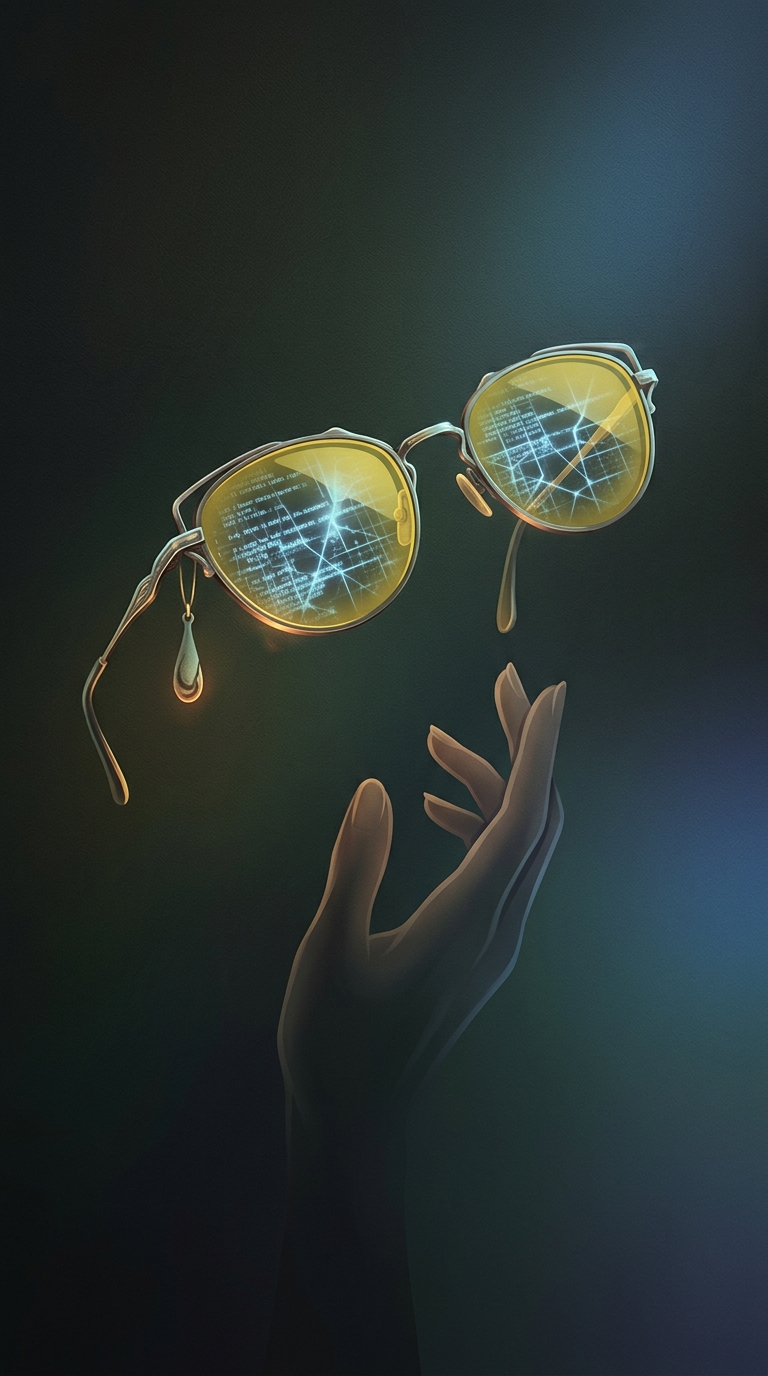
Blue light is part of visible light, and screens emit some of it. But ordinary screen exposure has not been shown to damage the retina, the light-sensitive tissue at the back of the eye. Research has also not established blue-light-filtering glasses as a reliable way to prevent digital eye strain; any comfort a wearer notices does not prove that the lenses are protecting the eyes from screen damage.
For screen-related discomfort, changing the viewing conditions addresses more plausible causes: take regular distance breaks, reduce bothersome glare, make text easier to read, and blink fully. If dryness or blurred vision persists, an eye-care professional can help identify whether dry eye or another problem is involved. The useful distinction is simple: a screen can tire or dry the eyes without its blue light harming them.