Why the Tasman Sea Can Turn Rough
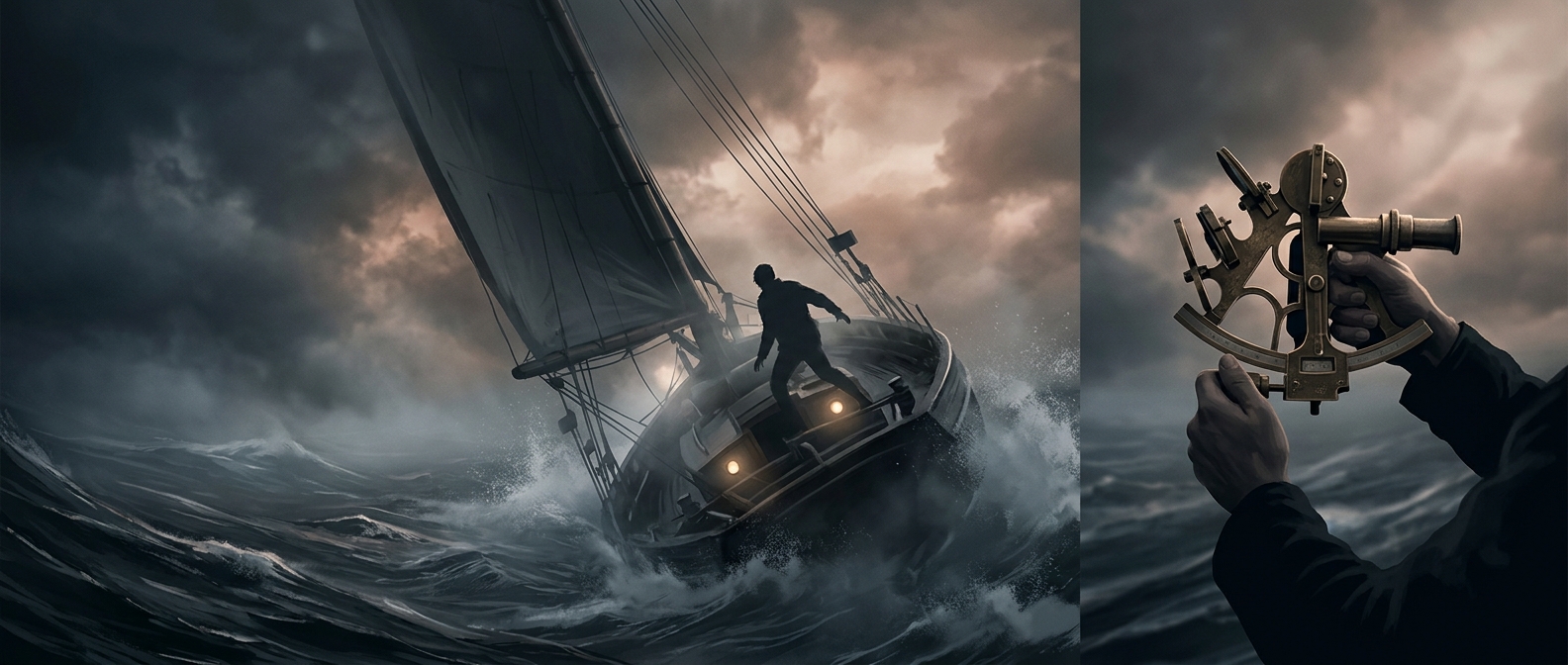
The Tasman Sea lies between Australia and New Zealand, but the distance is only part of what makes a crossing challenging. Weather systems moving across the Southern Ocean can bring strong winds and long-travelled swell into the sea. When newer waves arrive from a different direction than older ones, the surface becomes confused: instead of a regular rise and fall, vessels meet steep, irregular waves from several angles.
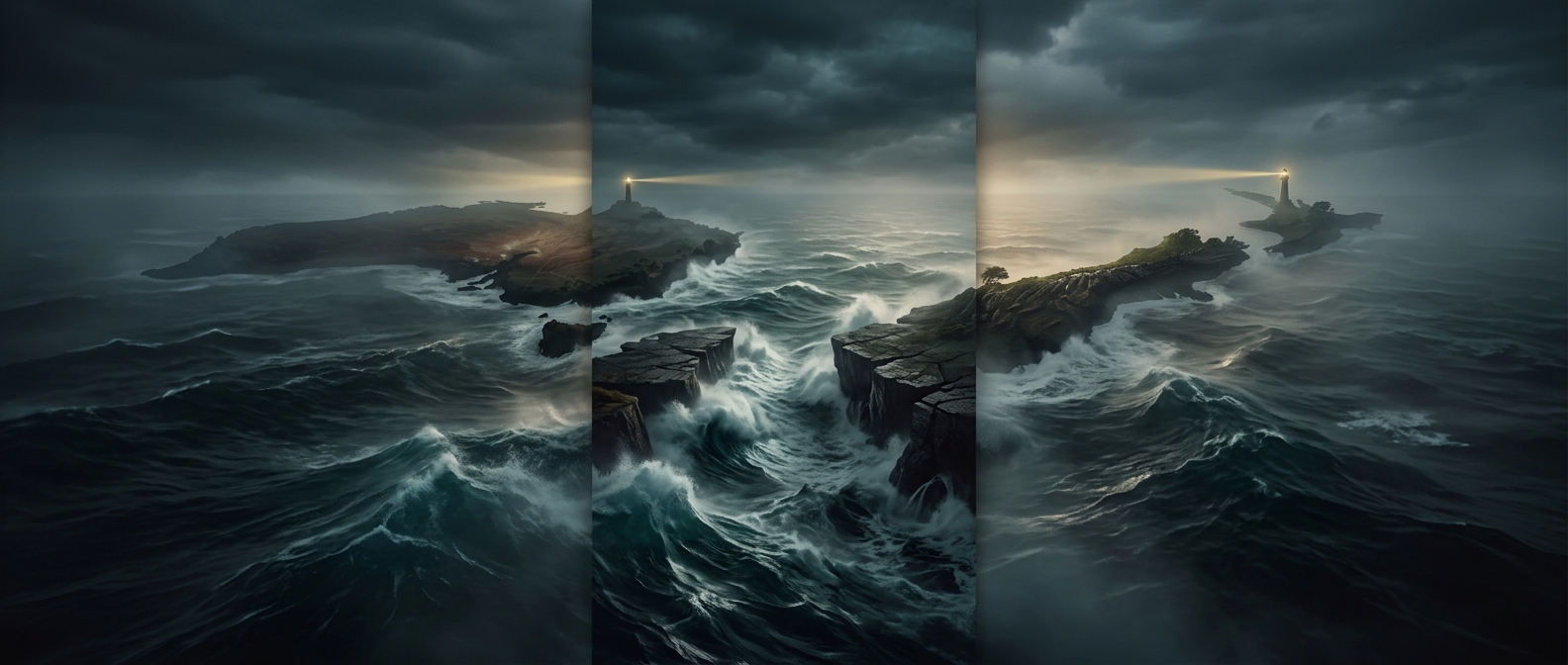
Currents add another layer. A current moving against wind-driven waves can shorten their spacing and make them steeper. Where currents and wave trains meet or change direction, conditions can become especially unsettled. The “washing machine” feeling is not simply two currents crashing together; it comes from the combined motion of wind, swell and water moving in different directions.
The Crossing Is a Moving Target
The Tasman is not equally rough from shore to shore or day to day. A route that feels manageable in one weather window can become uncomfortable when winds strengthen or swell builds. Ships and other vessels therefore plan around forecasts and may adjust timing or course to avoid the worst conditions.
For travelers, that variability is the key detail: the sea’s reputation describes a real possibility, not a constant state. The same crossing can shift from open-water calm to a jarring, unpredictable ride as weather and waves change.