How a fictional book acquired a life of its own
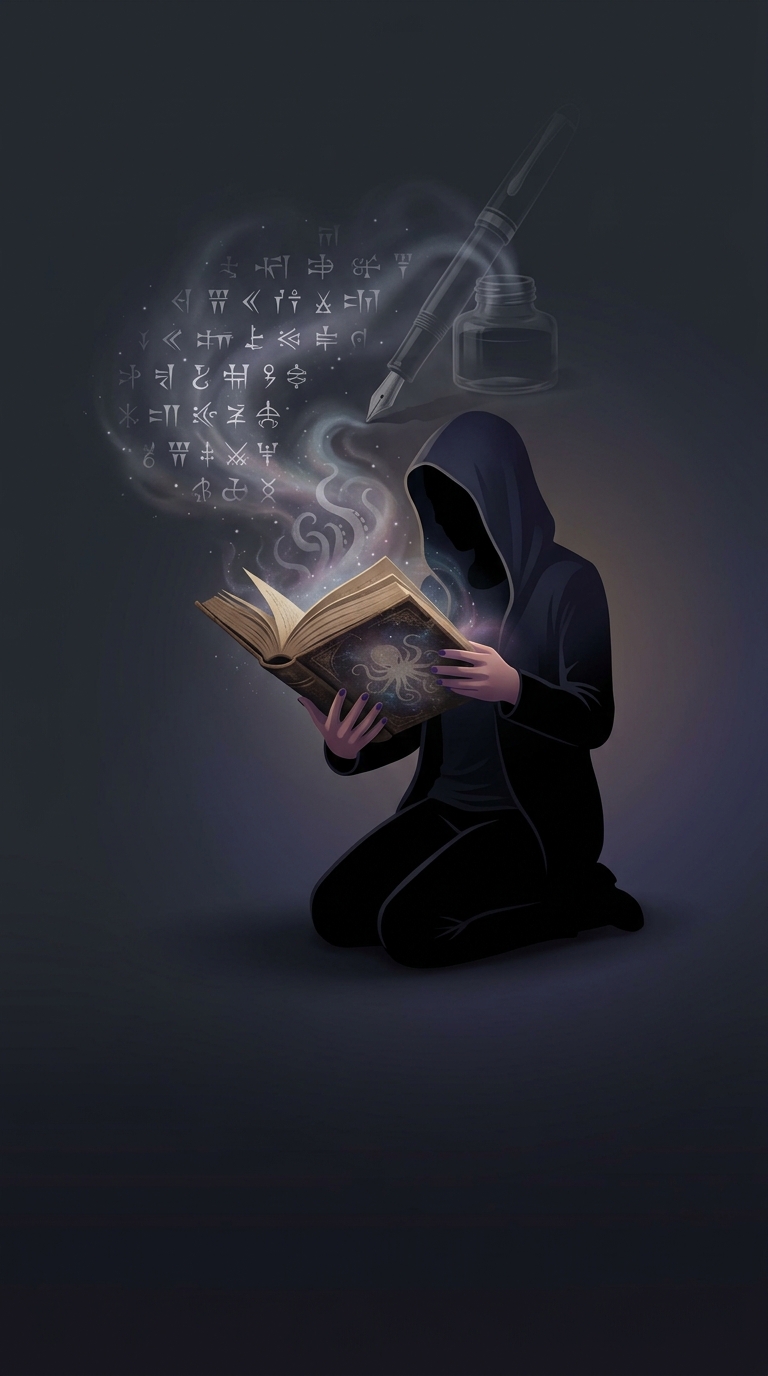
Lovecraft gave his imaginary book a name, an author, and a place in the lore of his stories. He also let other writers refer to it. That technique—making a fictional object recur across different stories—can make it feel less like a one-off invention and more like a fragment of a much larger world. Readers encounter the title as if it has a history beyond the scene in front of them.
The effect of invented scholarship
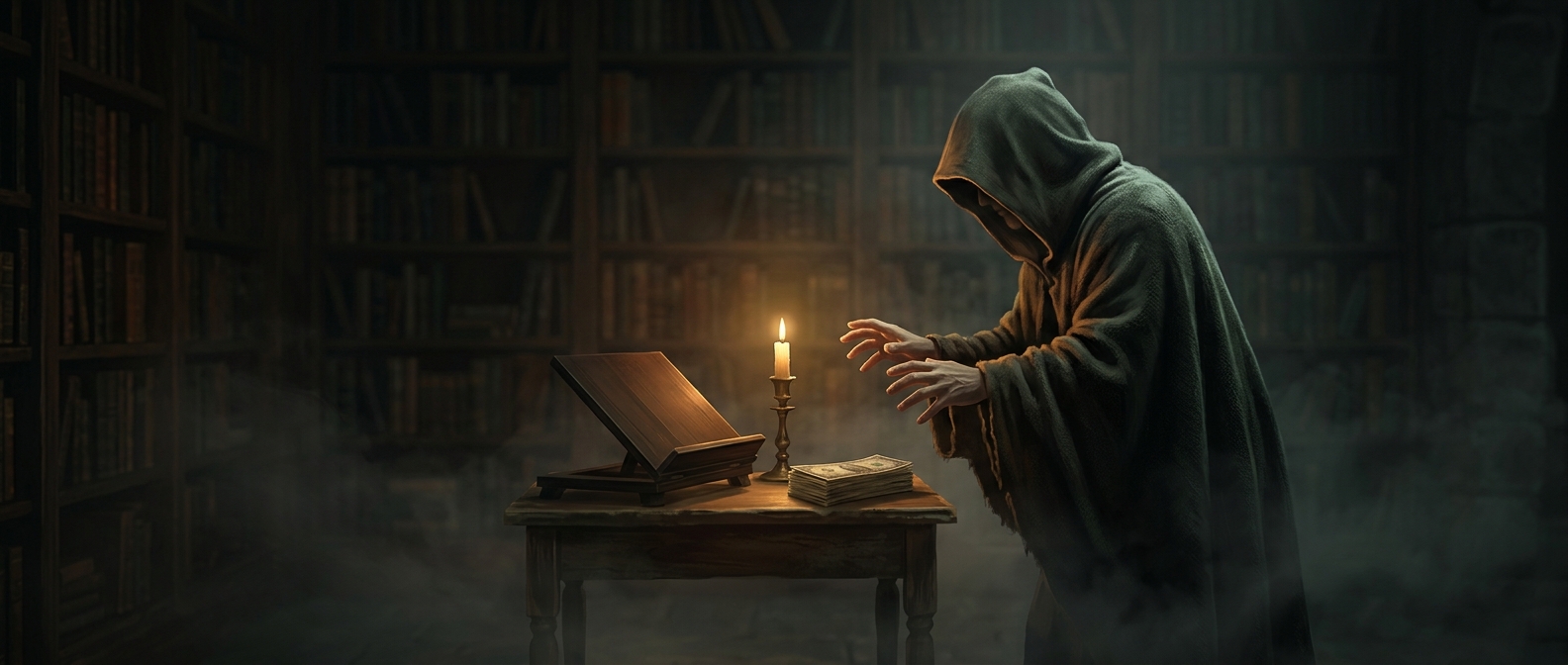
The Necronomicon is presented as a forbidden text whose supposed contents are disturbing and difficult to find. That combination invites curiosity: an obscure title sounds like something a reader might uncover, while references to its supposed history give the mystery extra texture. The book feels plausible within the fiction not because Lovecraft supplied proof, but because he made the references sound like evidence.
Lovecraft’s letters make the boundary clear: he said he had made the book up. But a statement outside the stories cannot erase the atmosphere the stories create, especially once the title circulates independently of them. Later writers could reuse it, and publishers in the 1970s issued fabricated editions. A printed volume gives an invented text a tangible form, which can make the distinction between literary prop and purported occult artifact harder for some readers to keep in view.
When a story becomes an object
For occultists who treat the book as real, the Necronomicon has crossed from fictional reference into claimed tradition. Its afterlife shows how a vivid fictional detail can acquire authority through repetition and physical presentation: the more often a mysterious title appears, the easier it is to imagine that it existed before the story that introduced it.