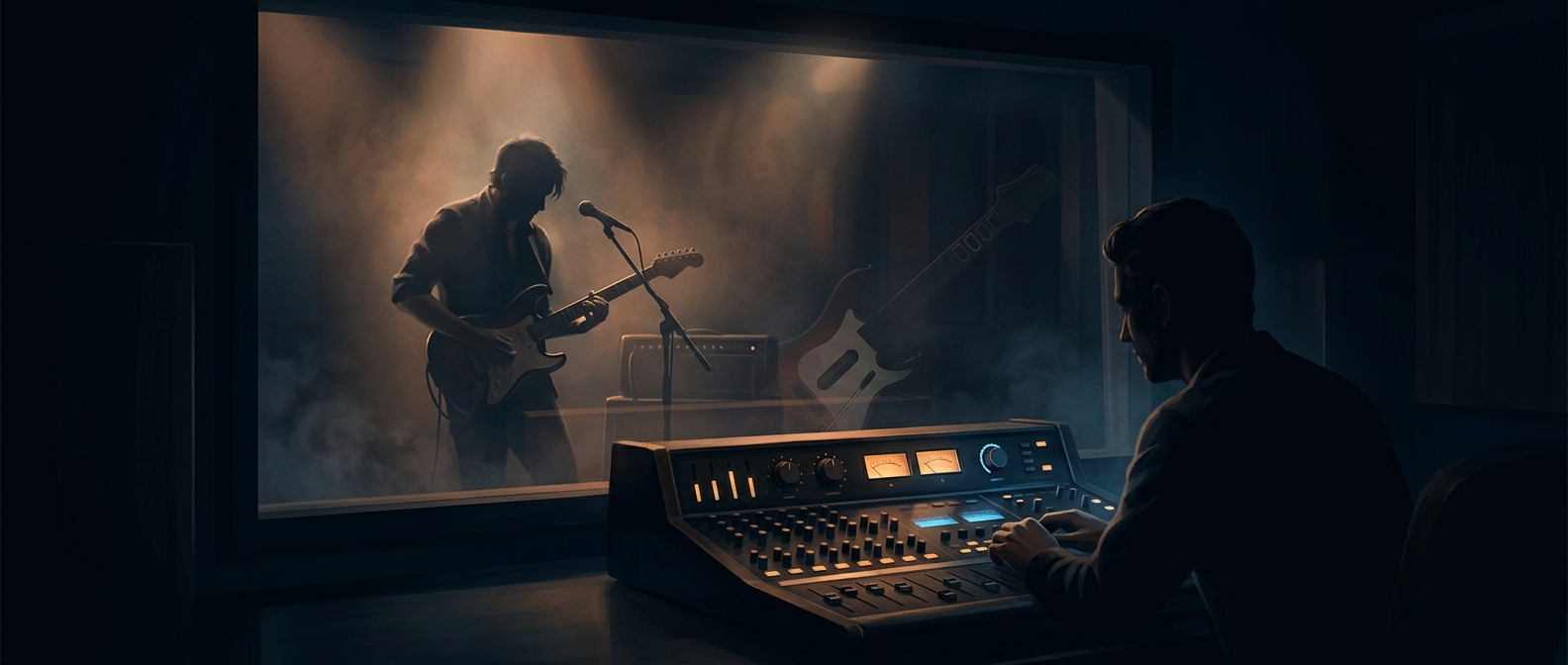
A familiar song, rebuilt in the studio
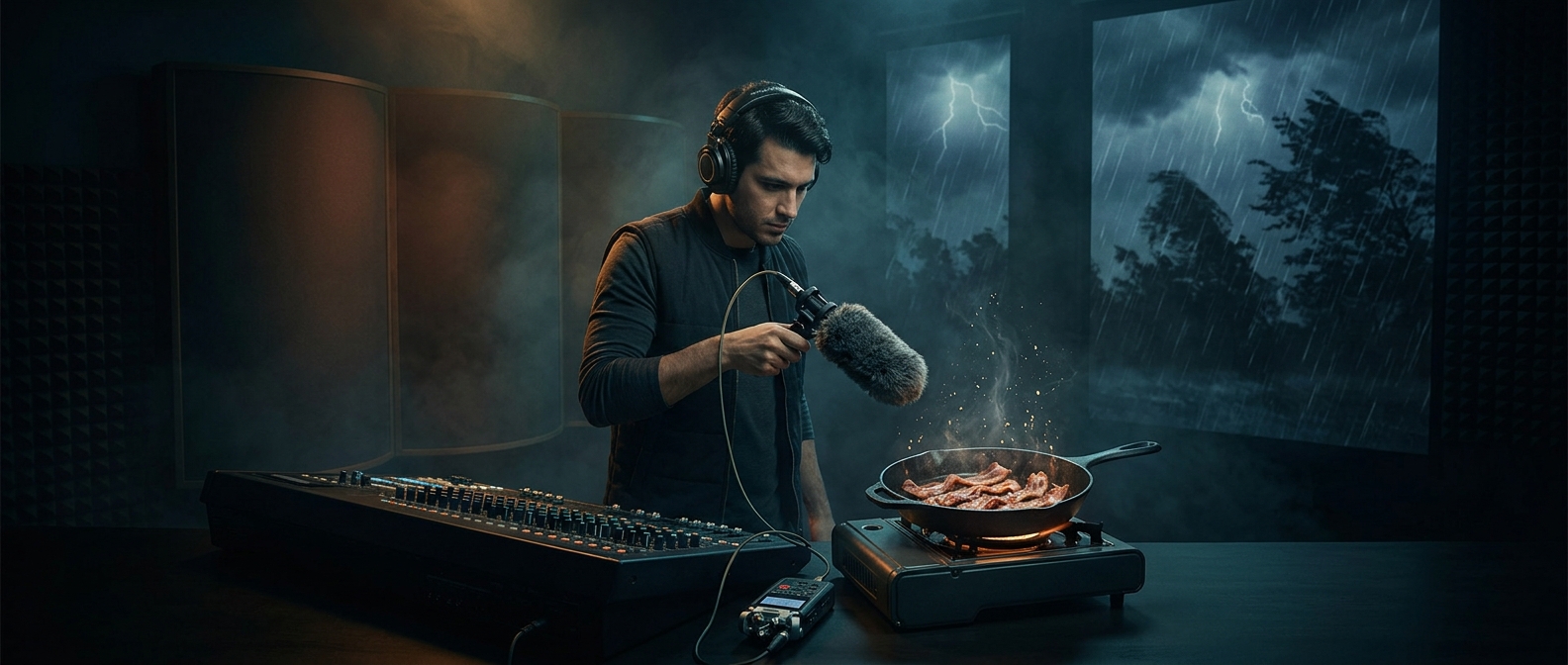
For many tracks in Guitar Hero, the sound coming through the speakers was a close cover version, not the recording released by the original band. Studio musicians recreated the arrangement—the sequence of riffs, fills, vocals, and other parts—so the song would remain recognizable while players followed its guitar line.
That distinction matters because a song has more than one kind of right attached to it. The master recording is a particular recorded performance; the underlying composition is the song itself. A game may need permission for both. Using a new performance can avoid licensing the original master, though it does not eliminate the need to clear the composition.
Why the substitute had to be convincing
A weak imitation would make the game feel wrong before a player even picked up the plastic guitar. The covers therefore aimed to preserve the details listeners use to identify a track: its tempo, phrasing, guitar sound, and the way parts land together. The new performance also had to make the playable guitar part clear enough to turn into a sequence of on-screen notes.
That created a practical compromise. The recording could sound close to the hit while still being a separate performance, made for the game rather than copied from the commercial release. Some players noticed the difference; others recognized the riff and kept playing.
The cover was part of the game’s design
Re-recording gave the developers another way to assemble a playable set list without relying on access to every original master. But it also meant the studio musicians had to carry the identity of songs closely associated with their original performers. In Guitar Hero, the imitation was not just background music: it was the performance players learned to anticipate, one note at a time.