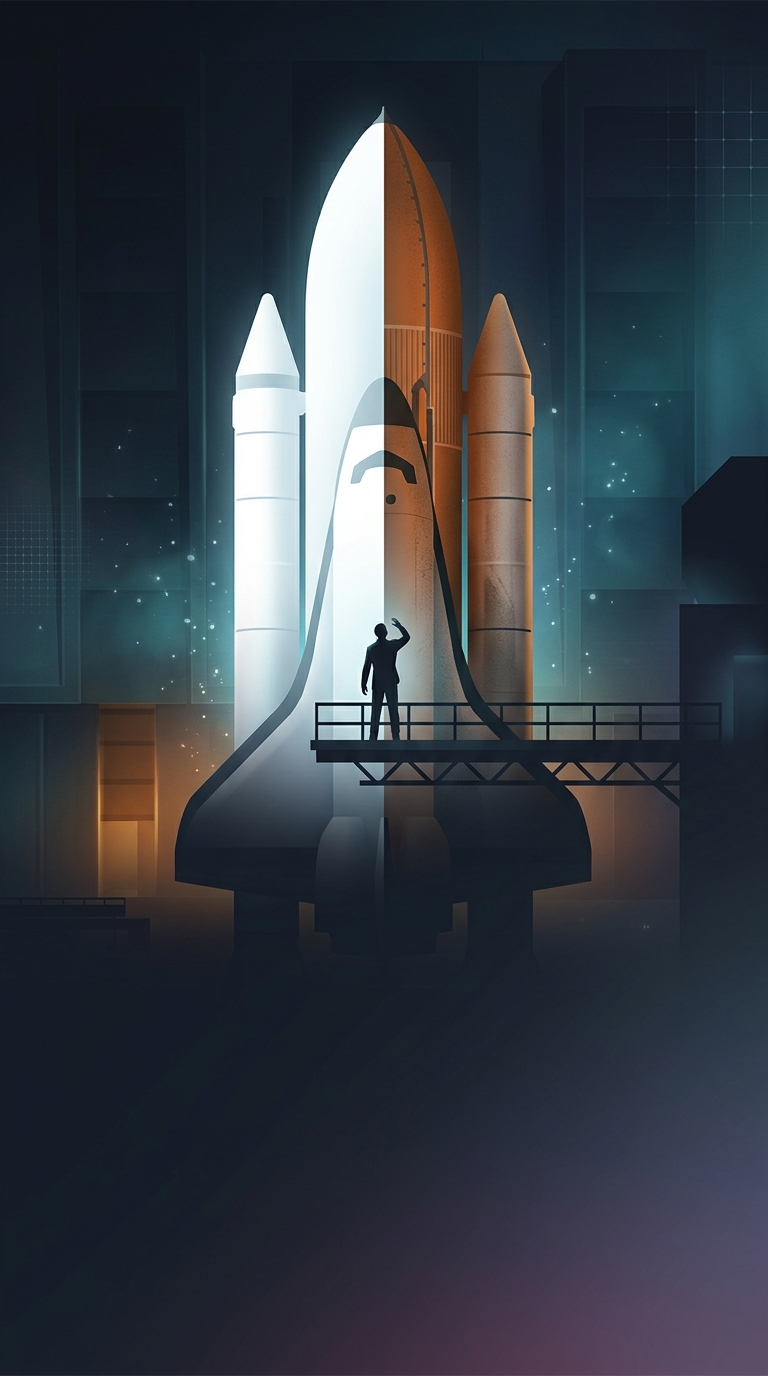
The transporter’s identity problem is about continuity
A transporter story turns on a distinction between reproducing a person’s structure and preserving the person who started the journey. If a machine records the arrangement of a body and brain, then builds an indistinguishable version elsewhere, the arrival could have the same memories, habits, and sense of having stepped onto the platform. From the outside, nothing might reveal a difference.
But that does not settle what happened to the traveler. If the original body was destroyed, one interpretation is that the person continued in a new form. Another is that the original ended and a psychologically identical successor began. The machine can verify a match in structure; it cannot, by that fact alone, prove which interpretation is true.
Why a perfect copy makes the question sharper
Ordinary travel preserves an unbroken physical path: a passenger walks from one place to another, even if the trip is interrupted by sleep or darkness. A transporter replaces that visible path with a process whose crucial steps are hidden. The traveler disappears, and a matching person appears. Because the copy would remember entering the transporter, memory cannot independently certify continuity.
The thought experiment becomes especially uncomfortable if the system can produce two matching arrivals. Both would claim the same past, but they could not both be the one traveler in the usual sense. That possibility exposes the gap between being indistinguishable from someone and being that same individual.
A fictional transporter can therefore function flawlessly as transportation while leaving its most personal question unanswered: whether a successful arrival is enough, if the journey may have ended the moment it began.