The costly life of an unsold figure
A collectible can be worth a lot to the right buyer and almost nothing to the broader market. Funko’s figures are tied to particular characters, franchises, and designs, so demand is uneven: a popular release may sell quickly while another occupies warehouse space without finding enough customers. The fact that a figure is still physically usable does not mean it can be sold at a price that covers the cost of keeping and moving it.
Storage turns old inventory into a new expense
Warehouses charge for space, and inventory also has to be tracked, handled, and eventually shipped. Those costs continue as long as the figures sit unsold. Meanwhile, newer products need room in the same distribution system. Keeping every slow-selling item can therefore make the company pay repeatedly for stock that may never earn back its original cost.
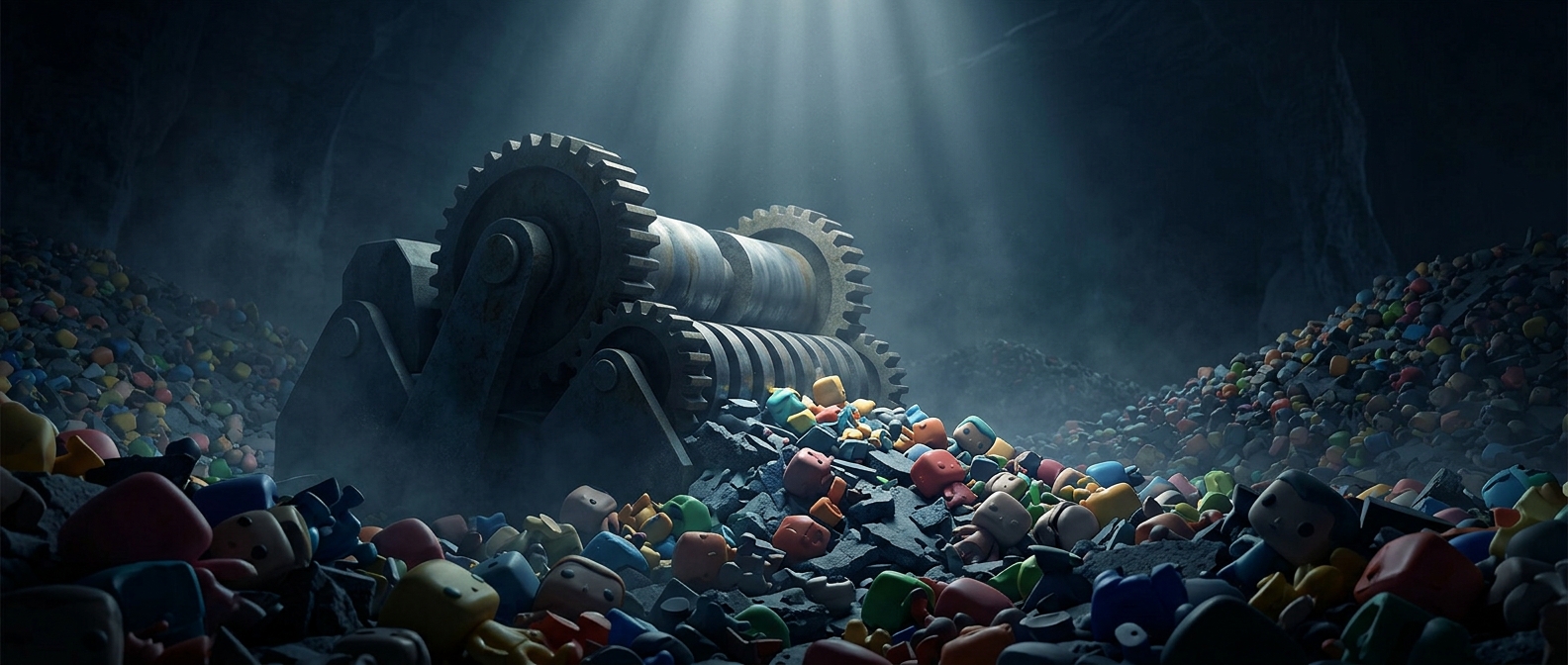
Destroying the figures does not recover the money already spent making them. That expense is a sunk cost—money that cannot be retrieved by changing what happens next. The decision is about future costs: if storage and handling are expected to exceed what the remaining stock might bring in, disposal can be cheaper than holding it.
A brutal calculation, not a profitable sale
Discounting, donating, or selling inventory through another channel can seem preferable, but each option still requires buyers, logistics, and sometimes more storage. Disposal avoids those continuing expenses, though it also means the products cannot generate any later sales. The tradeoff is stark: a company can spend more to preserve the chance of selling an unwanted figure than that chance is worth.
That is why an intact collectible can be destroyed even when someone, somewhere, might want it. The warehouse bill is certain; the future buyer is not.