How virtual creations became real income
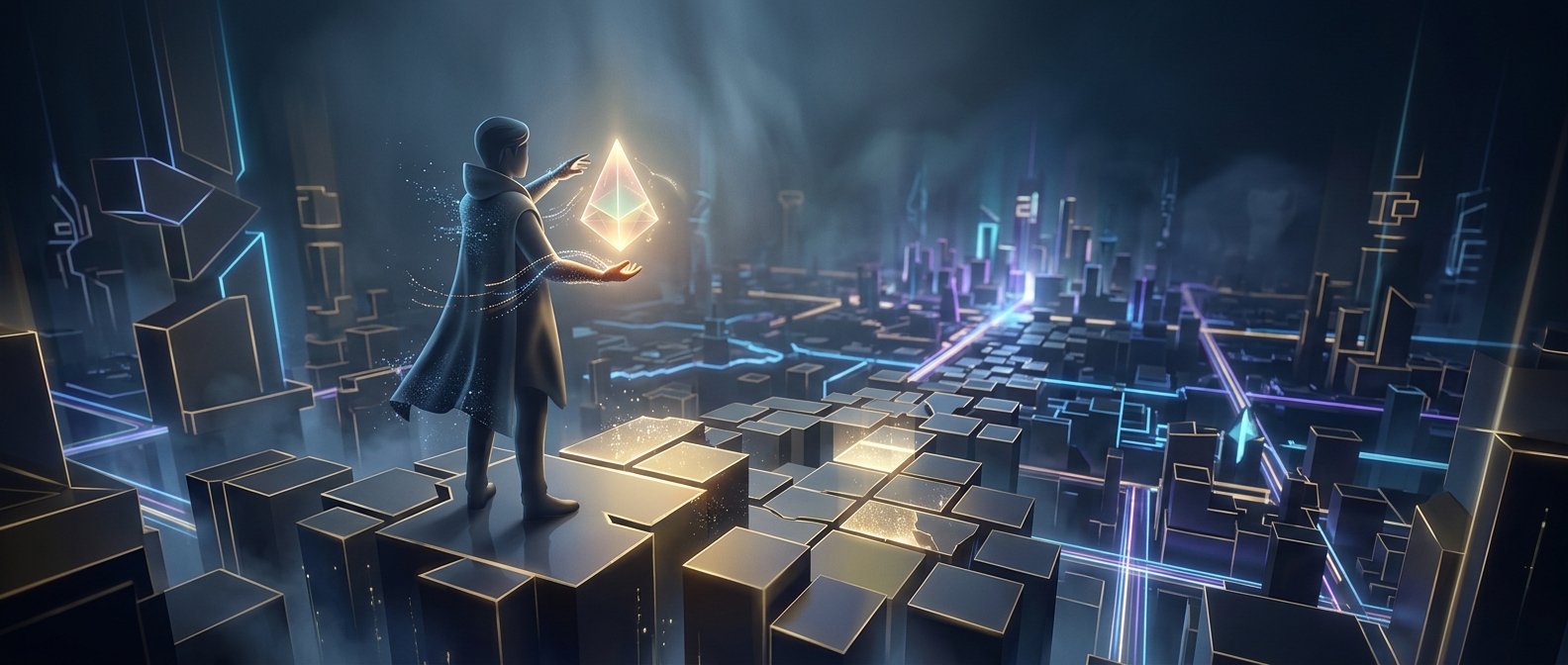
Second Life’s economy grew from a simple design choice: residents could make things inside the world and sell them to one another. Using built-in creation tools, people produced clothing, furniture, buildings, animations, and other digital goods. A resident looking for a distinctive avatar outfit could buy one from another resident rather than rely on a fixed catalog supplied by the company.
That made residents both customers and producers. A successful designer could build a recognizable shop, improve products in response to buyers, and earn a living from repeat sales. The work was digital, but it still involved familiar business tasks: making something people wanted, setting a price, attracting customers, and competing with other sellers.
The bridge between virtual money and real money
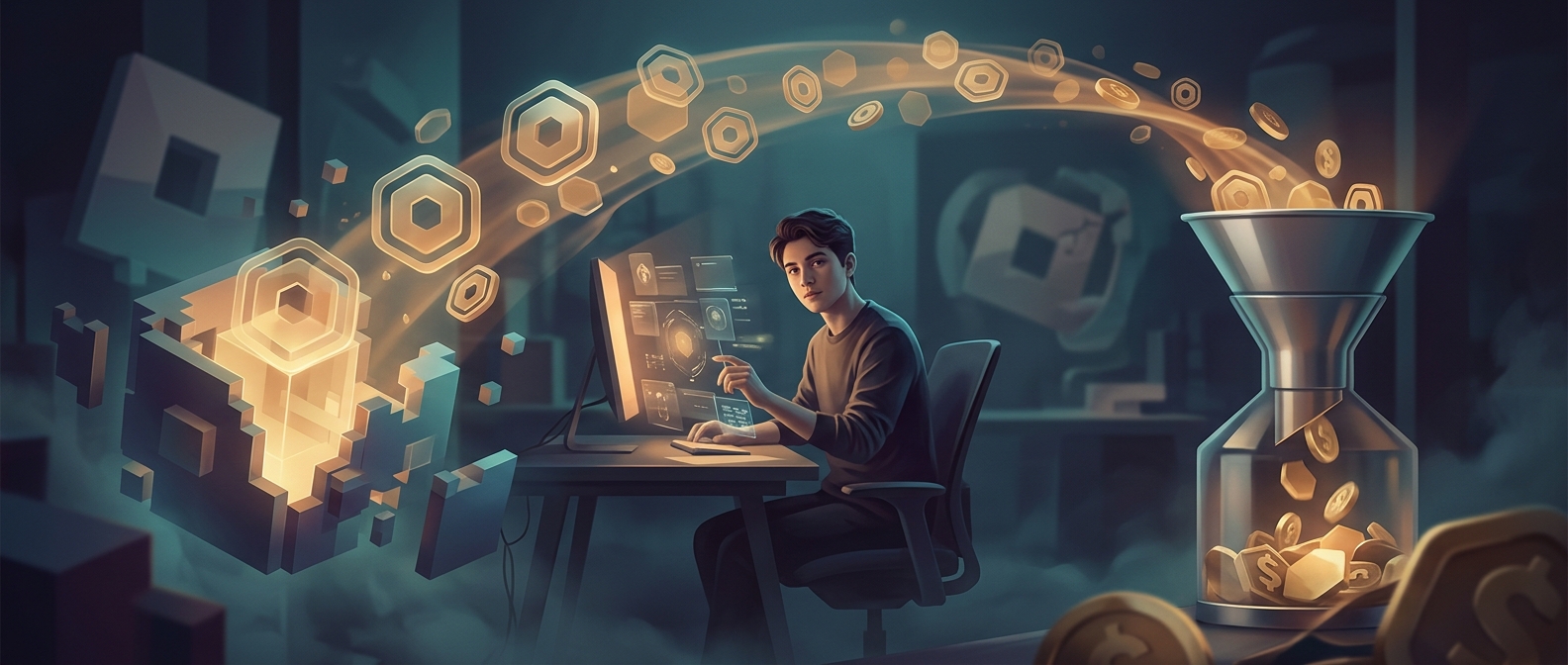
Sales were generally priced in Linden dollars, Second Life’s in-world currency. Residents could exchange that currency for U.S. dollars through the platform’s exchange system, turning virtual sales into spendable income. That conversion is what made the economy more than a system for swapping imaginary goods: demand inside the world could support real-world work.
Virtual land added another layer. Residents could develop places where others gathered, shopped, or socialized, while land ownership and hosting remained tied to the platform’s infrastructure and fees. A store’s success therefore depended not only on its products but also on a digital environment maintained by Linden Lab.
A livelihood with a platform-shaped risk
The system opened a route to entrepreneurship without physical inventory or a conventional storefront. But income depended on buyers continuing to visit, the platform’s rules and services, and the ability to turn virtual currency into cash. A thriving digital shop could feel like an independent business while still relying on one company to operate the marketplace.
That tension is part of what makes the economy remarkable: residents could build businesses substantial enough to support real livelihoods, yet their storefronts, customers, and currency all lived inside a world someone else ran.