How a “different voice” can feel unchosen
In trance channeling, the striking change is not only what a person says. Their voice, expression, posture, or gestures may seem to belong to someone else. A useful way to understand that experience is to separate who seems to be speaking from the bodily processes that make speech and movement happen.
Speaking requires coordinated work by the brain, breath, vocal cords, tongue, and facial muscles. A person can produce a changed tone or expression without consciously planning each small movement—much as an absorbed actor can slip into a character. When attention narrows and a person expects another identity to speak, those actions may feel less self-directed, even while they are being produced by the person’s own body.
The role of expectation and attention
A trance setting can provide a ready-made role: a spirit or other personality is expected to have a distinct voice and manner. The channeler may then notice, and interpret, changes in speech or feeling through that framework. This does not mean the person is necessarily pretending. A genuine sense of reduced control can arise when someone is deeply absorbed and their actions do not feel deliberately initiated.
The surrounding group can shape the experience, too. Listeners may respond to a particular voice or gesture as evidence that the other personality has appeared. That response can reinforce the pattern, making the channeling feel more coherent to both the person and the audience.
What “taking over” describes
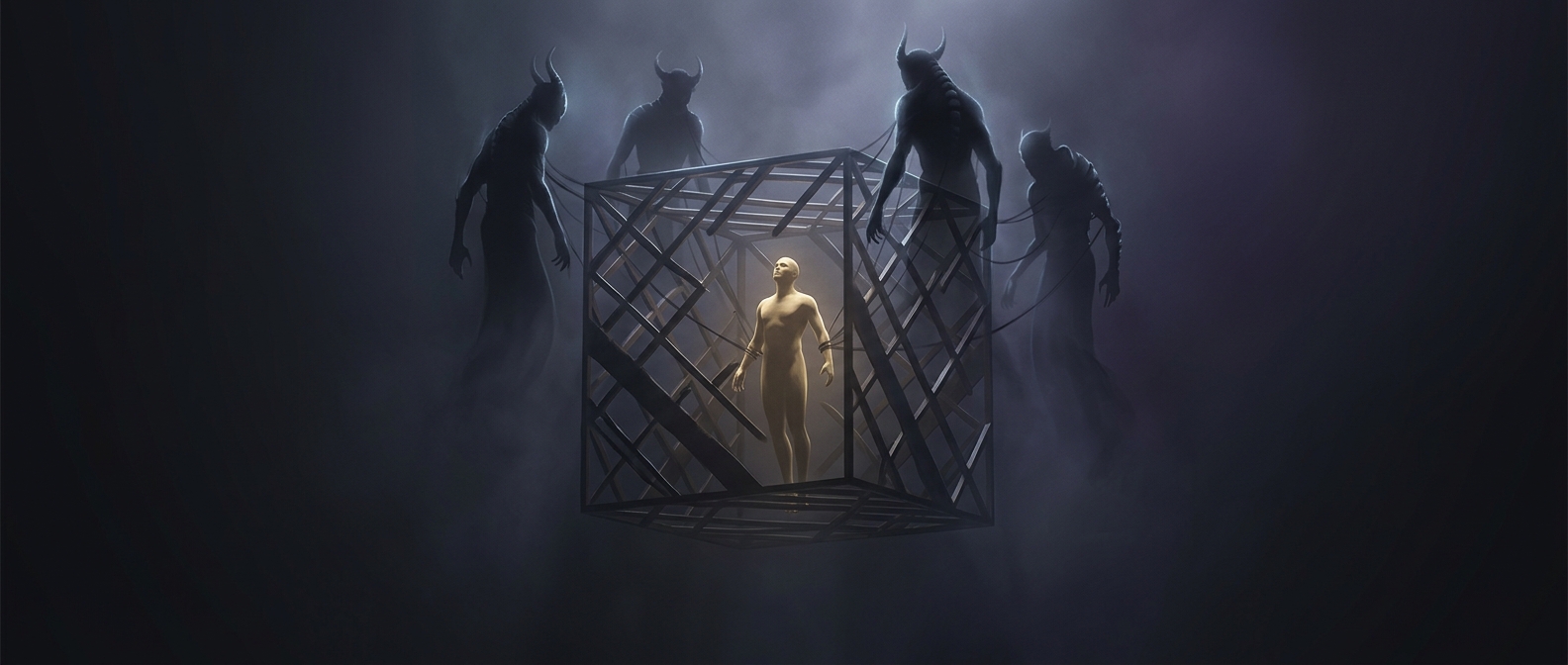
The language of takeover captures how the experience feels from the inside; it does not by itself establish that an outside personality is controlling the body. The same visible behavior can carry different meanings for participants and observers. What makes the phenomenon compelling is precisely that an ordinary human voice and face can seem, to the person using them, to belong to someone else.