Why a long line creates a market for time
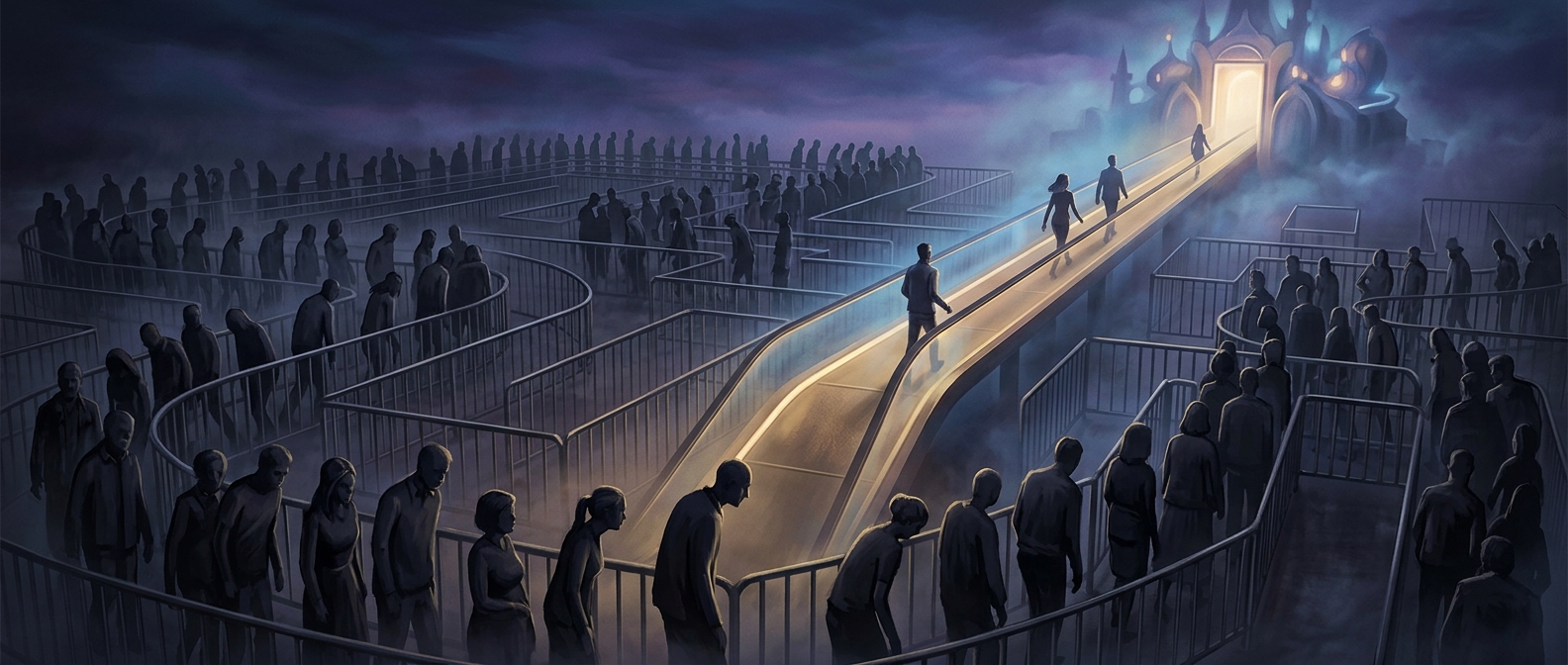
A fast pass sells more than convenience: it sells back time. When the regular line stretches, waiting has a visible cost—hours that could be spent working, traveling, or enjoying something else. The longer that delay seems, the more valuable an alternative becomes, even if the pass itself has not changed.
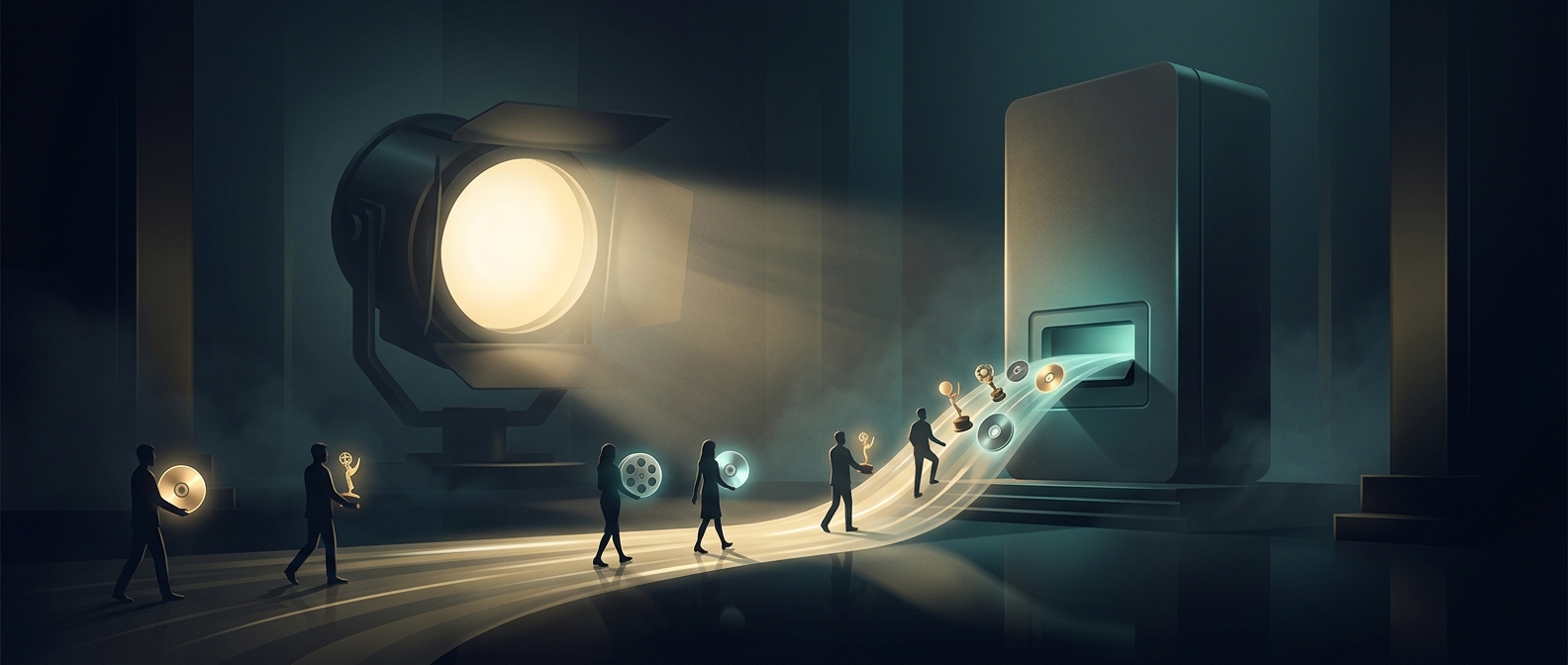
For the operator, the pass can turn that difference in urgency into revenue. People who are willing to pay to save time choose the faster option; people who would rather save money stay in the regular line. This is a form of self-selection: customers sort themselves according to how much they value the time they would otherwise lose.
The tradeoff behind the shortcut
A fast lane does not necessarily make the system move faster overall. It changes who waits and for how long. If priority customers draw on the same limited capacity, their shorter wait can mean a slower-moving regular line. The operator gains a new way to earn from demand, while standard customers may bear part of the cost in extra waiting.
That makes the pass a balancing act. Set its price or availability too low, and so many people may choose it that the shortcut loses its advantage. Limit it too tightly, and the operator leaves potential sales on the table. The line itself helps make the product attractive—but selling too many ways around it can reshape the very wait that created the demand.