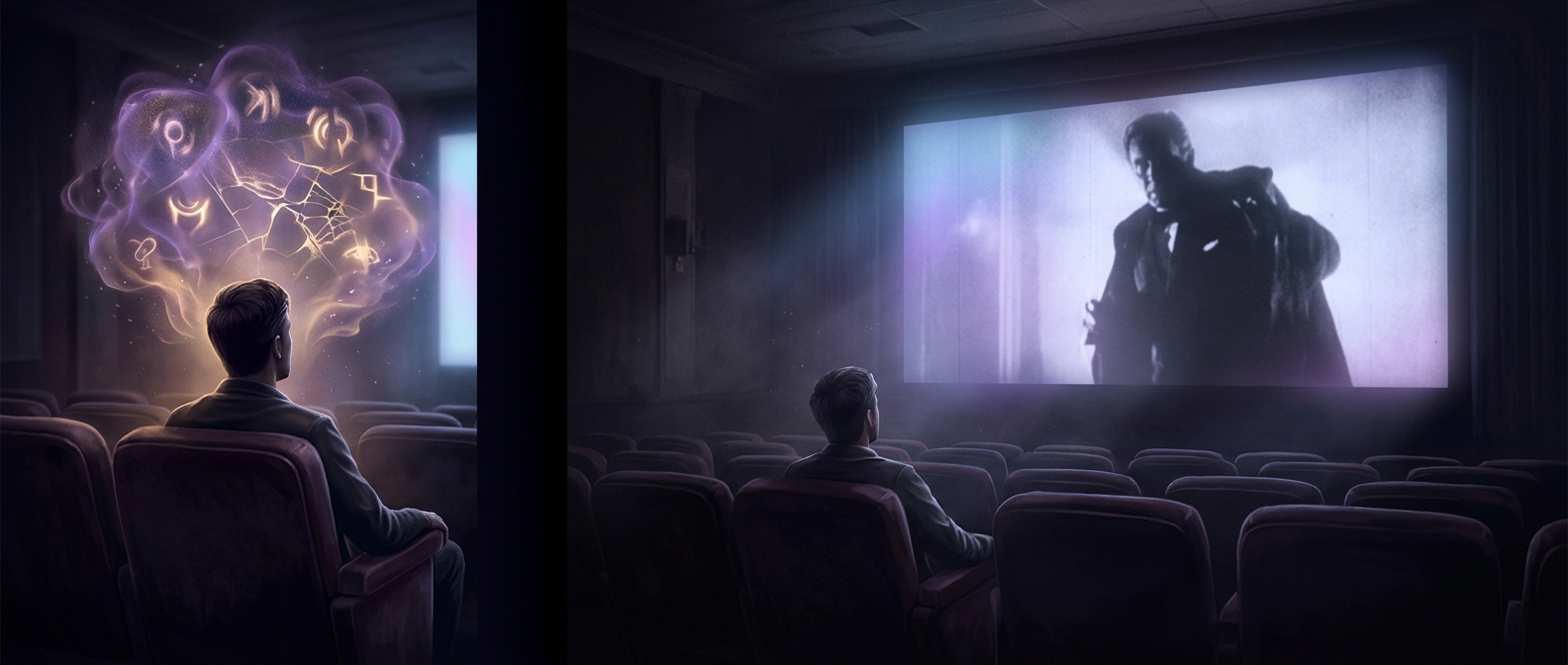
What “claircognizance” means in psychic belief
Claircognizance is a term used in psychic and spiritual traditions for a sudden sense of knowing: a person feels certain about a fact or outcome but cannot point to how they learned it. The word is commonly explained as “clear knowing.” In these traditions, the experience is treated as a form of intuitive or extrasensory perception.
That description names the experience, not a verified way of acquiring information. Certainty can arise before a person has consciously identified the clues behind it—or without any identifiable clue at all. The feeling may be vivid, but vividness does not establish that the information is accurate or that it came from a supernatural source.
Why certainty can feel like evidence
People routinely make quick judgments from fragments: a familiar pattern, a remembered detail, a change in someone’s expression. The mind may reach a conclusion before it can explain the steps, leaving the impression that the answer appeared from nowhere. Memory can also blur the difference between an original hunch and what became clear afterward.
A useful distinction is between having a strong sense that something is true and having grounds to show that it is true. To assess a hunch, write down what it predicts before the outcome is known, make the claim specific enough to check, and count misses as well as hits. Otherwise, memorable coincidences can stand out while incorrect guesses fade from view.
Respecting the experience without treating it as proof
For someone who uses the term, claircognizance may be a meaningful way to describe an inner experience. But a feeling of knowing, by itself, cannot confirm a claim about another person, a future event, or a consequential decision. The practical test is still whether independent evidence supports it.