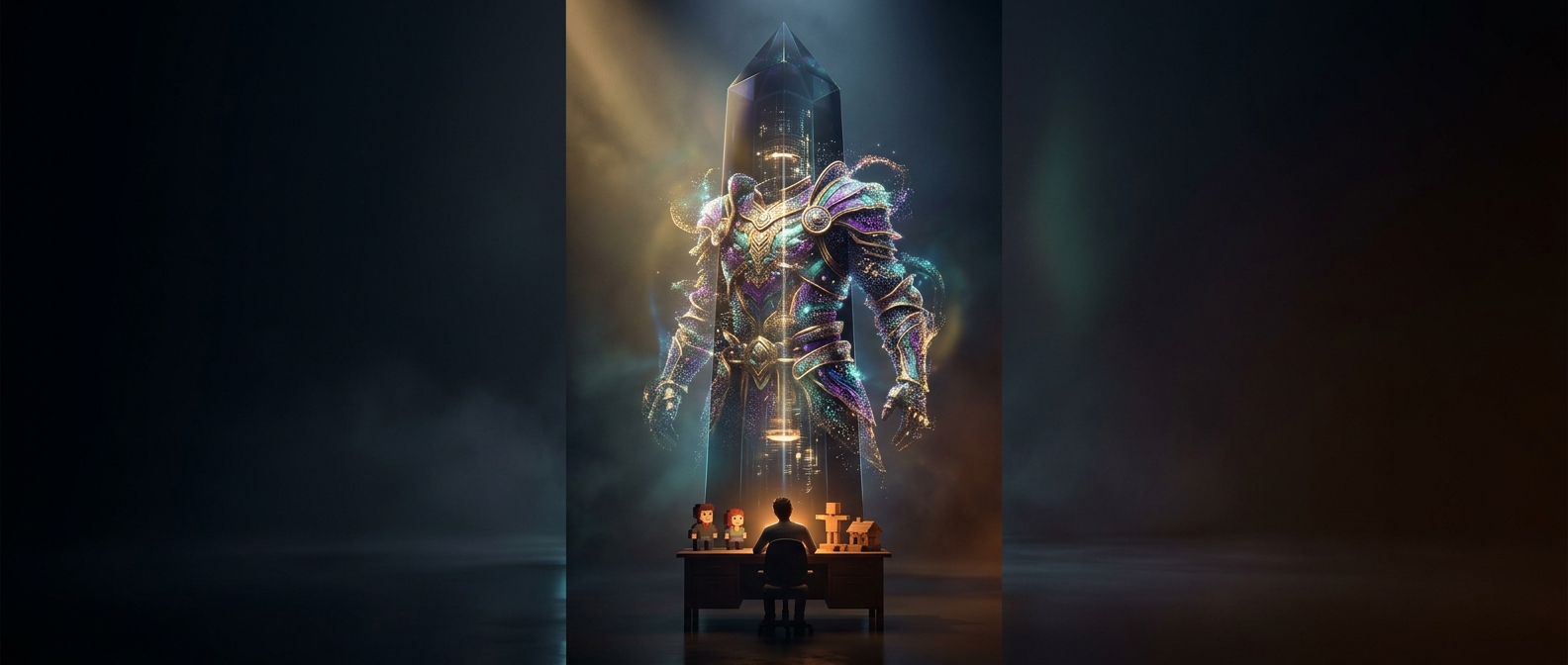
Why a digital outfit can justify a large budget
A game skin is more than a new texture pasted onto a character. Depending on the game, it may need original concept art, a 3D model, materials that determine how surfaces look, animations, sound effects, and checks to make sure it behaves correctly across characters, weapons, maps, and game modes. The more visible and elaborate the outfit, the more work may be involved in making it feel polished without disrupting play.
That work is expensive upfront, but the finished item is digital. Once created, it can be offered to many players without manufacturing a physical copy for each sale. The studio’s bet is that enough purchases will spread the initial production cost across a large audience.
The audience is the business model
A $20 price does not need to persuade every player. It needs to appeal to a meaningful slice of a game’s active audience—especially players who care about personalizing a character or showing an outfit to others. In multiplayer games, cosmetics are visible: other people can see the choice in a match, turning an individual purchase into a small public display.
That visibility also shapes the design. A skin has to stand out enough to feel distinctive, while remaining readable in motion and fair to play against. It must fit the game’s visual style, too. A striking design that obscures a character or looks out of place could damage the experience the item is supposed to enrich.
A calculated risk, not a guaranteed hit
Studios cannot know in advance which designs players will want. A costly skin may sell poorly; a simpler one may find a much larger audience. The economics therefore depend on more than the sticker price: the game needs an engaged player base, the item needs to reach interested players, and the overall game must keep them coming back.
When those conditions line up, a cosmetic can earn revenue without requiring the studio to build a separate game or change how the core game plays. The surprising part is not that a digital outfit costs nothing to copy—it is that a studio can spend heavily to make one, then rely on players’ desire to be seen wearing it.