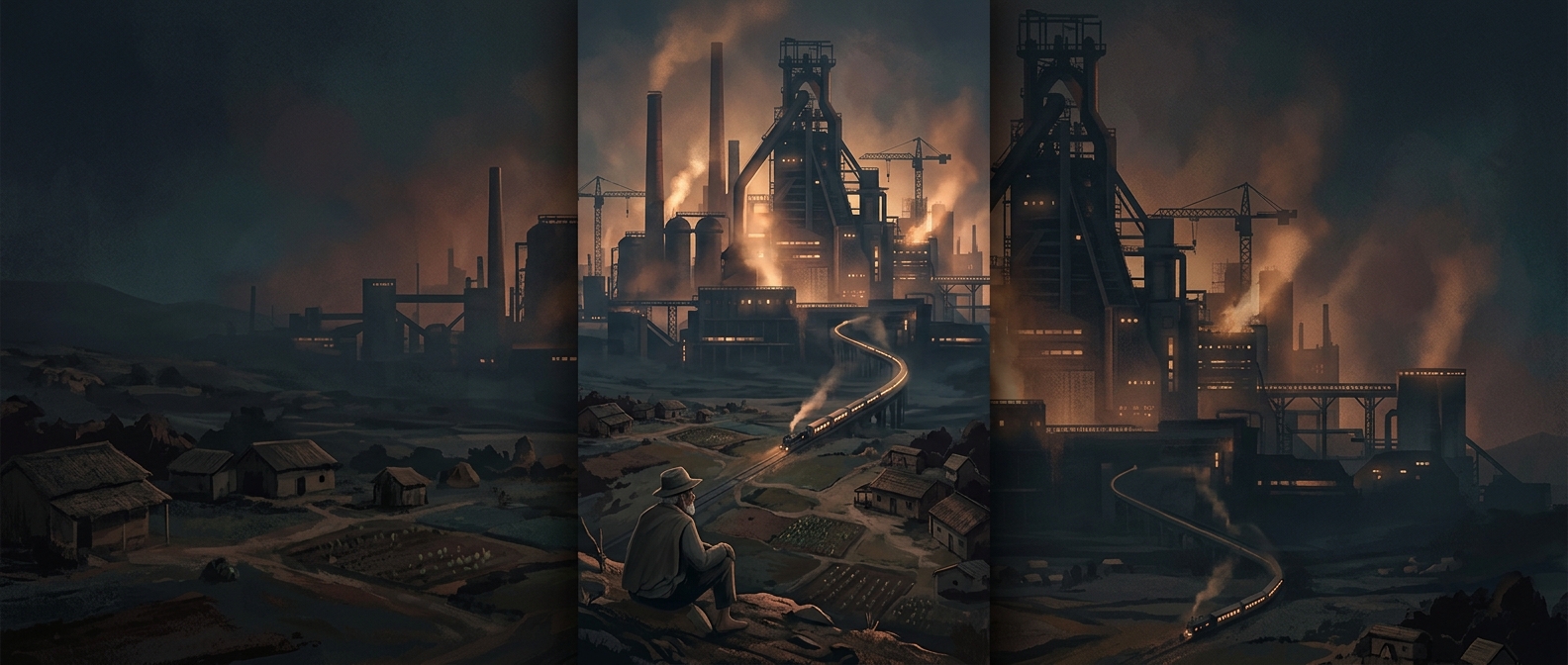
How factories can reshape a developing economy
A shift into industry can raise output because workers and capital are concentrated in activities that make more per worker than many low-productivity jobs. A farmworker or informal trader moving into a factory may gain access to machinery, reliable power, specialized tools, and coworkers whose tasks fit together. The resulting goods can be produced in larger quantities and at lower cost per unit.
Selling beyond the home market
Factories need customers. Exporting lets producers reach far more buyers than a small domestic market can provide, which can make it worthwhile to invest in equipment and expand production. Once a country can reliably deliver goods to international buyers, local firms may also develop supporting businesses—such as packaging, transport, repairs, and parts supply.
That growth is not automatic. Firms need workers with relevant skills, dependable infrastructure, financing, and access to trade routes. They also face competition from producers elsewhere. If factories rely heavily on imported components or perform only a narrow, low-value step in production, much of the earnings may flow back out rather than building local capabilities.
A change in work, and in its rewards
Industrial growth draws people toward towns and cities, where jobs and services cluster. It can create steadier wage work and new opportunities, but the benefits are uneven: workers who cannot move or retrain may be left behind, while rapid urban growth can strain housing and transport. The lasting change is not simply that a country makes more goods; it is whether local workers and businesses learn to make increasingly valuable ones.