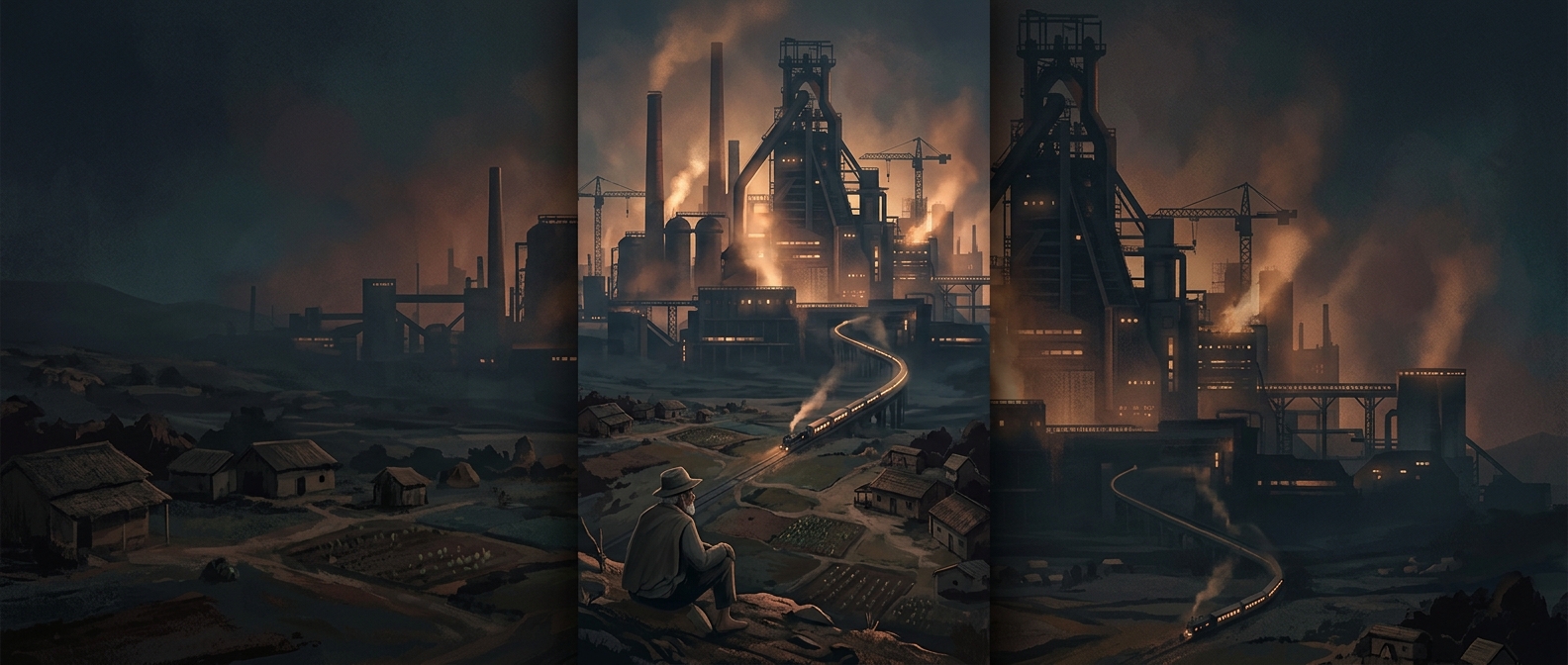
Growth has a physical side
An economy can be measured in dollars, but producing and delivering things still takes energy and materials. A larger home needs timber, concrete, and metals; a new phone requires mined minerals, factory work, and shipping. When growth means steadily increasing the volume of physical production, the economy’s material footprint tends to grow with it.
That creates a limit because Earth’s usable deposits, forests, fertile soil, and capacity to absorb pollution are not endless. Even before a resource is exhausted, reaching lower-quality deposits or more remote forests can require more energy and cause greater damage for each additional unit extracted.
Why recycling and efficiency are not complete escapes
Recycling reduces the need for fresh extraction, but it cannot supply every new product. Materials are lost during collection and processing, and some are dispersed or mixed in ways that make recovery difficult. Meanwhile, growing production requires a larger total stock of goods—buildings, roads, vehicles, and equipment—even if many materials are reused.
Efficiency can also lower the materials or energy needed per item without lowering the total. If cheaper, more efficient production leads people and businesses to buy or use much more, overall resource use may still rise. Efficiency helps, but its effect depends on what happens to total demand.
Economic growth is not identical to more stuff
Gross domestic product, or GDP, measures the value of goods and services produced, not their weight. An economy can add value through education, care, software, or better-designed products without increasing physical output at the same rate. That makes it possible for financial growth to become less resource-intensive, though services and digital systems still rely on buildings, devices, electricity, and supply chains.
The practical question is therefore not simply whether an economy can grow, but whether it can keep increasing value while reducing its total demand on materials and ecosystems. A lighter product per dollar is progress; the decisive test is whether the whole economy’s physical footprint actually stops expanding.