Why a Patch of Plastic Was Cast as a Country
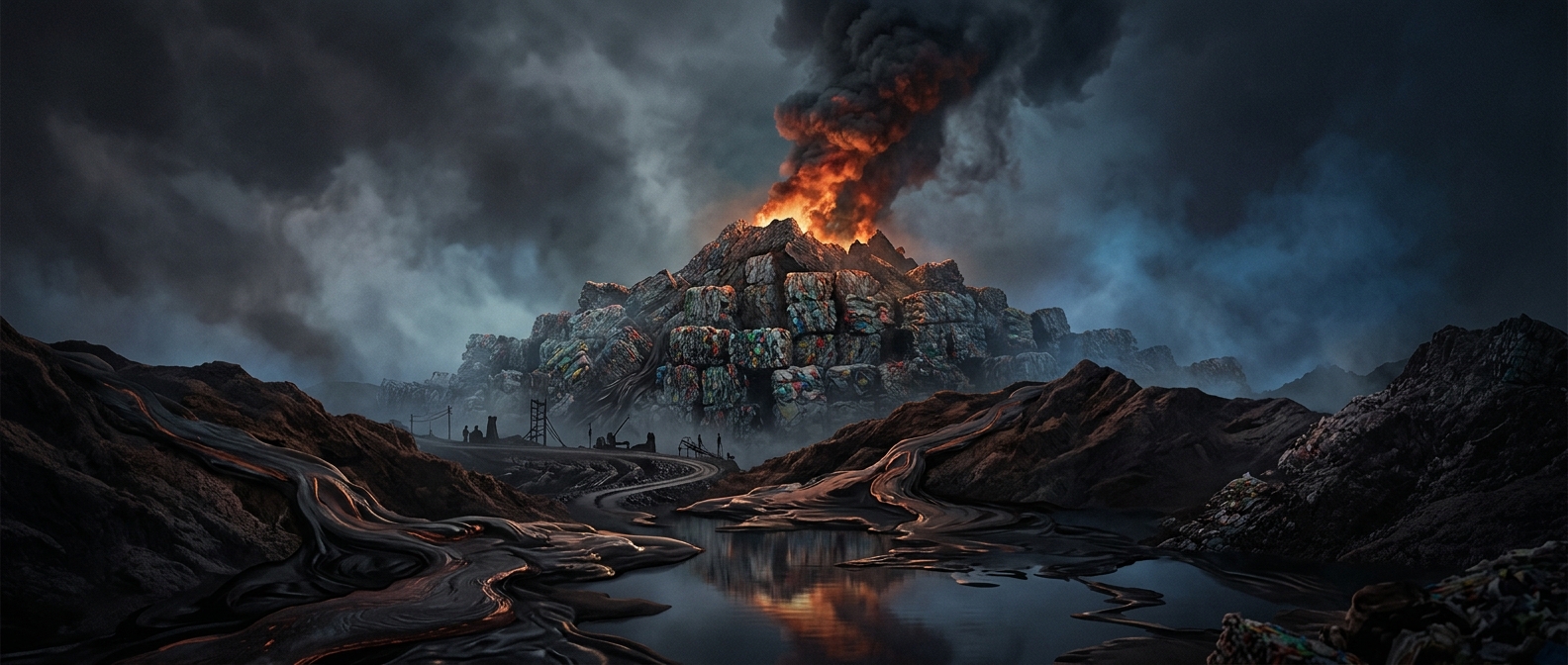
The “country” idea was a campaign device, not a claim that the Pacific contains a solid island ready for settlement. Ocean currents gather floating debris into broad zones where plastic is more concentrated; the material is still scattered through the water, often in small pieces, rather than piled into a landmass with a clear shoreline.
That makes the usual image of a garbage dump misleading—and helps explain the appeal of nationhood symbols. Passports, currency, and a bid for recognition gave an otherwise diffuse pollution problem the visual language of a place and a population. The campaign could invite people to treat plastic accumulation as a shared political problem, rather than an invisible consequence of millions of separate purchases and disposals.
Why Plastic Is Not Automatically a Booming Resource
A theoretical “plastic economy” faces a basic industrial obstacle: finding plastic in the ocean is not the same as having usable raw material. Debris is dispersed, mixed with other material, and weathered by sunlight and waves. Gathering and sorting it takes work, while the recovered plastic may be difficult to turn into valuable products. Those costs help explain why ocean cleanup cannot simply pay for itself by selling what it collects.
The economic stakes are therefore less about a ready-made new industry on a floating territory than about who bears the expense of preventing, retrieving, and processing plastic. The imagined nation made that question harder to ignore: its proposed symbols looked official, but the “land” they represented was a moving, fragmented pollution problem with no straightforward border or revenue stream.