Sorting Is Only the First Test
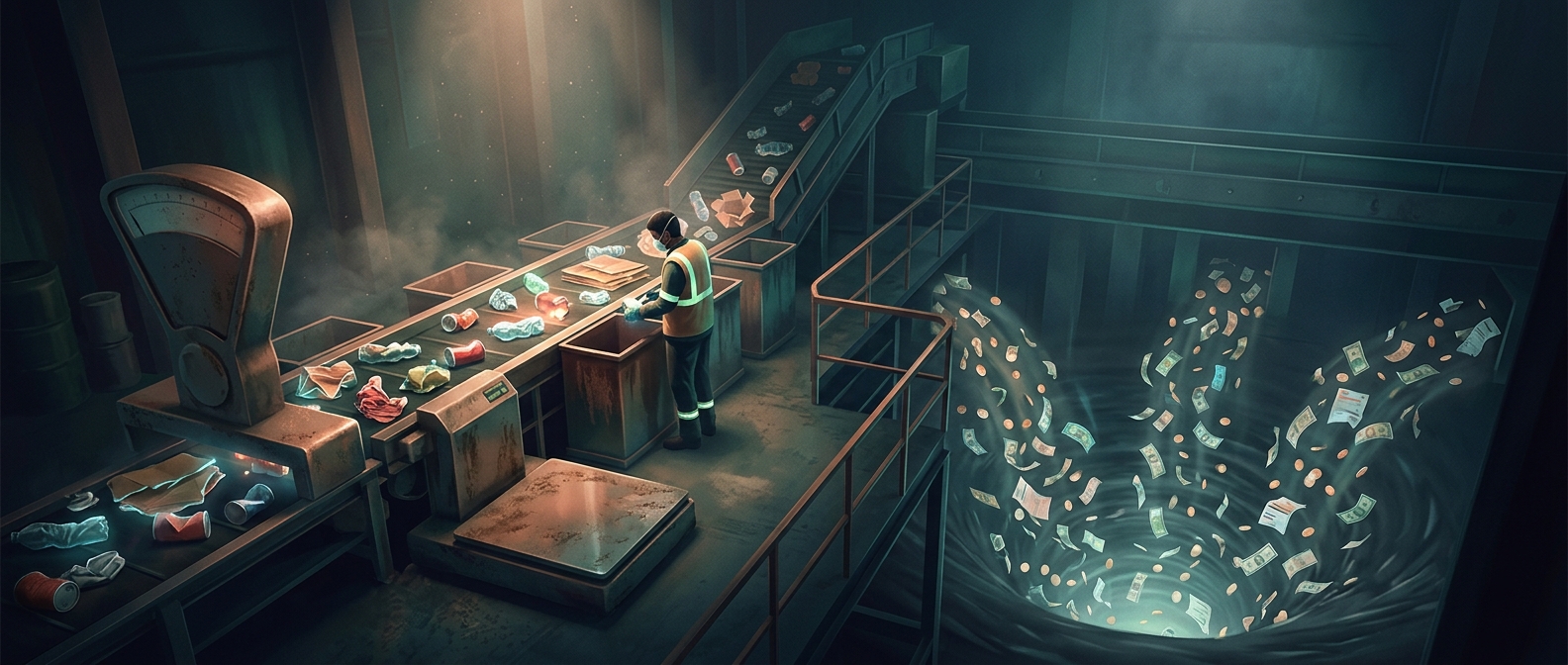
A recycling bin is the start of a supply chain, not a guarantee that its contents will become new products. A facility may separate plastic by type, but the material still has to be clean enough, consistent enough, and valuable enough for a buyer to process it. Food residue, labels, mixed plastic types, and layered packaging can make a bale difficult or costly to use—even when it looks sorted.
When the Numbers Stop Working
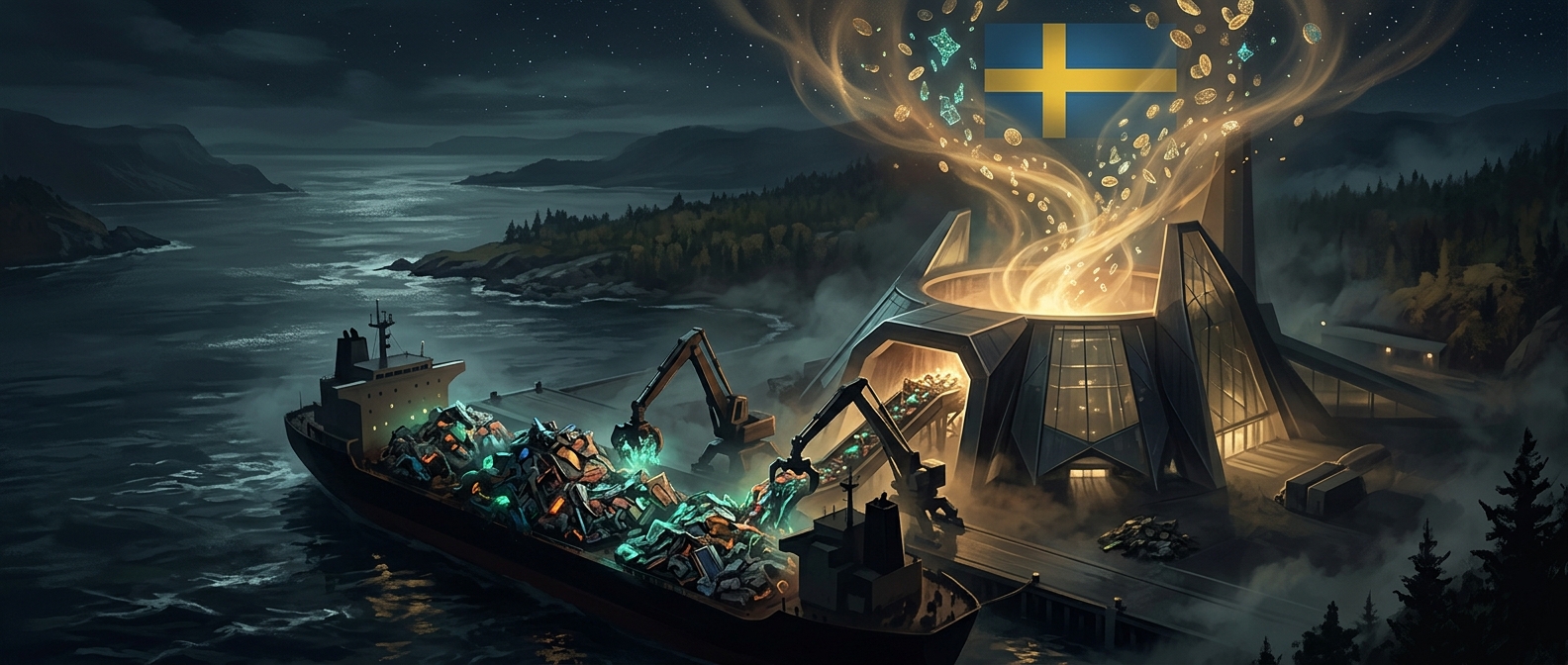
Recyclers must pay to collect, sort, clean, and process plastic. If contamination raises those costs, or if the resulting material has little resale value, a buyer may reject it. Exporting waste can move it to another handler, but shipping does not solve the underlying problem: someone still has to find a viable use or dispose of it. A shipment marked for recycling is not proof that recycling happened.
In places where waste controls and processing capacity are inadequate, rejected plastic may be dumped or burned outdoors rather than handled in a controlled facility. Open burning releases smoke and harmful pollutants, while destroying material that might otherwise have been reused or recycled. The long journey can therefore end not in a new product, but in a fire—because the economics and the material’s condition never made recycling workable.