When leftover waste becomes a fuel supply
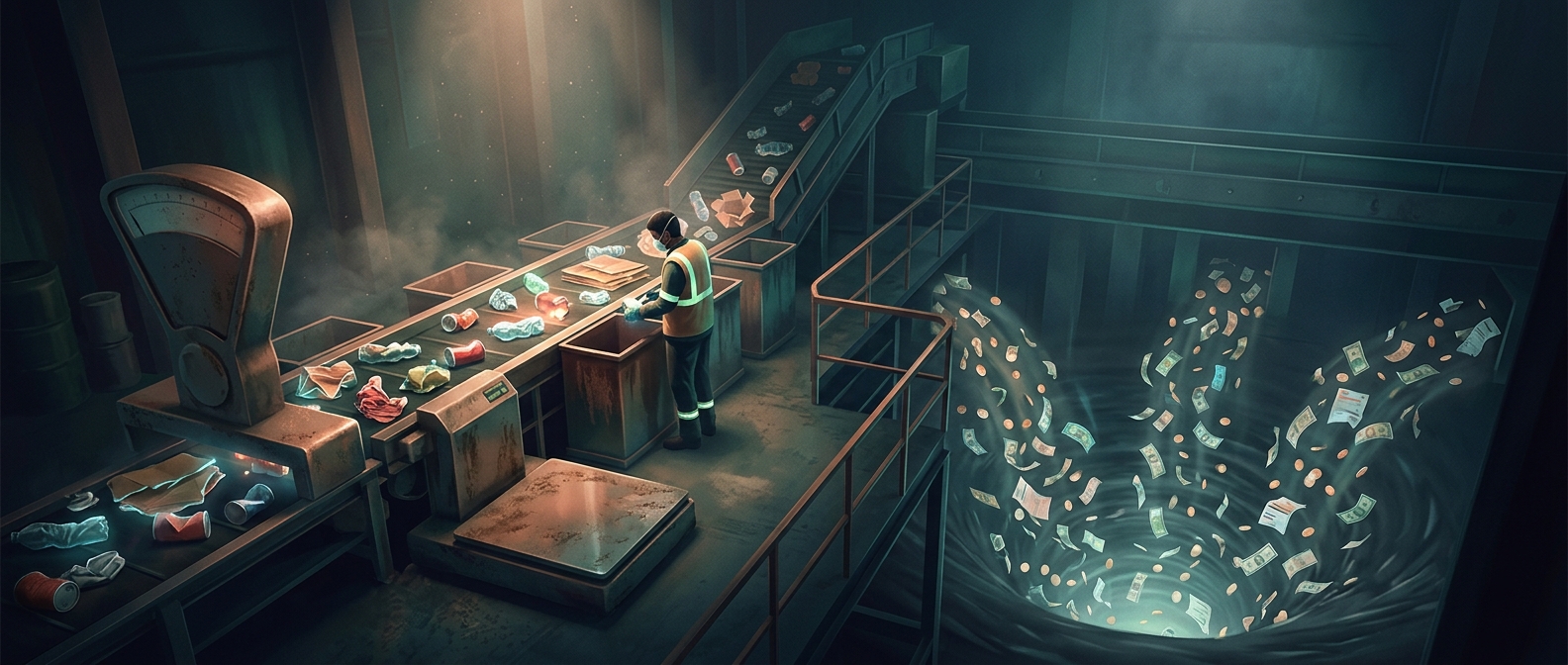
A waste-to-energy plant burns rubbish that cannot readily be reused or recycled, capturing the heat to make electricity or warm buildings. Sweden has built substantial capacity for this kind of disposal, while its own supply of suitable residual waste can be too small to keep every plant fully supplied. Imports help fill the gap.
The arrangement can make financial sense on both sides. A country sending waste may pay a fee to have it treated, while the Swedish plant receives material it can use as fuel. In effect, the shipment is both a disposal service for the exporter and an energy input for the importer.
The bargain has limits
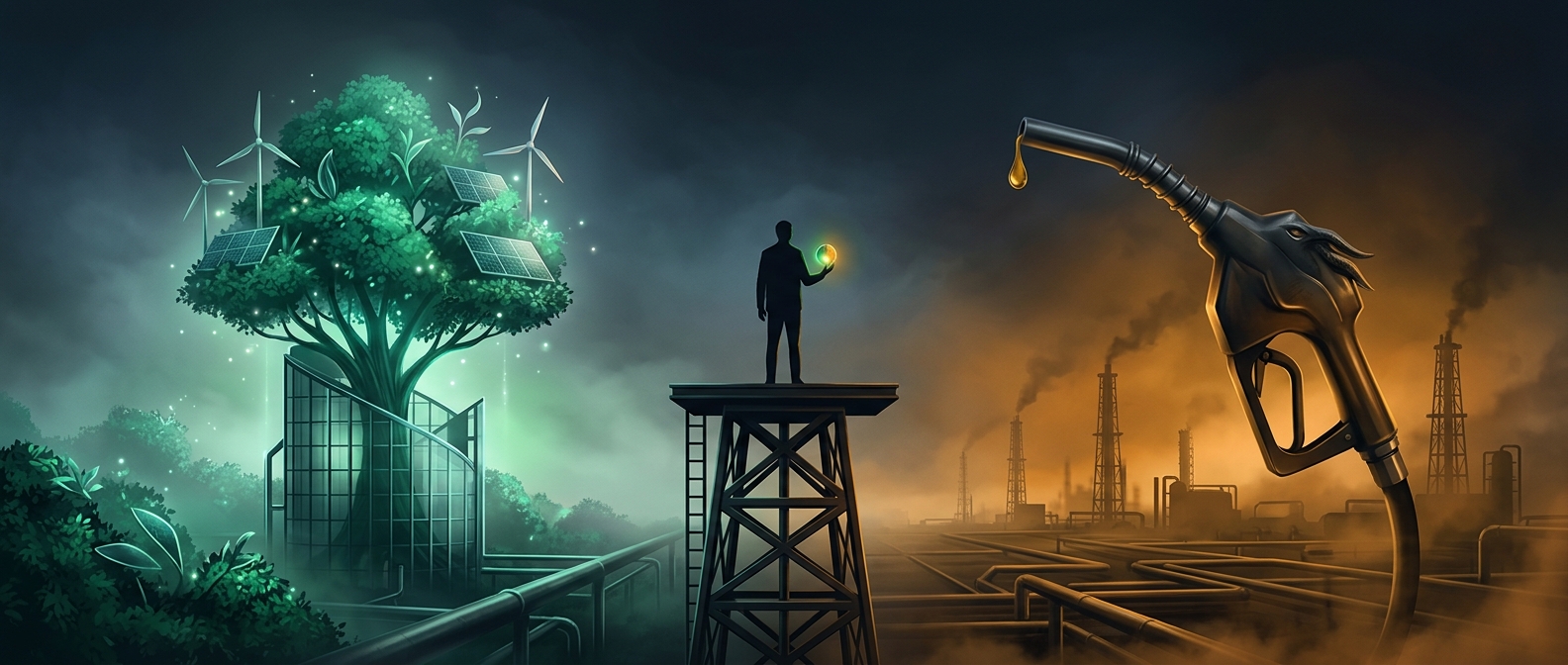
Burning waste does not make its environmental costs disappear. Plants must control air pollution, and the process leaves ash that still needs handling. Nor is incineration a substitute for preventing waste or recycling materials that can be recovered: burning those materials turns their remaining value into heat and leaves less available for reuse.
That creates a practical tension. Plants need a steady stream of fuel to operate, but a successful shift toward less waste and more recycling can shrink the amount available to burn. Importing rubbish can keep existing infrastructure working, even as the long-term goal is to produce less of it.