Why glass takes a different route after collection
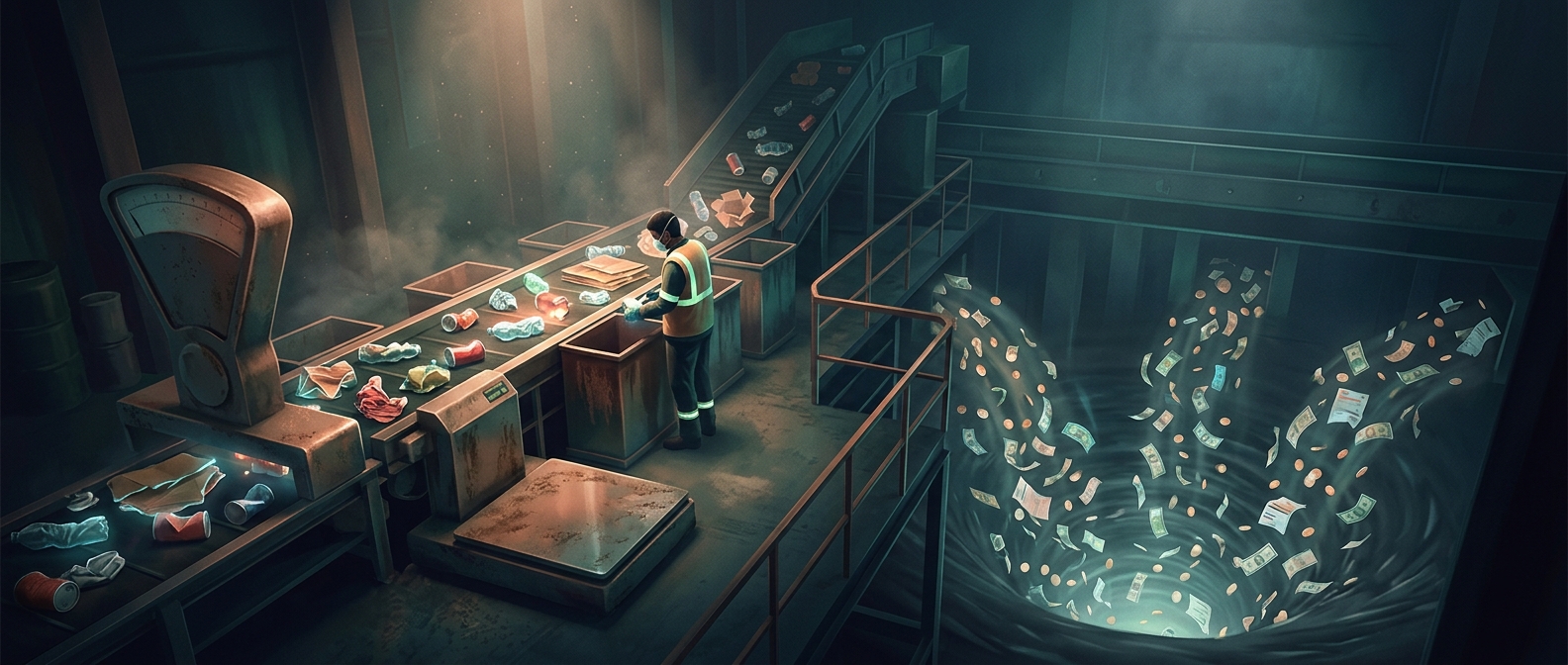
A bottle can be recyclable in principle and still be a poor candidate for making another bottle. Reuse in bottle manufacturing usually depends on getting glass that is clean and sorted well enough to meet the manufacturer’s requirements. Mixed colors, bits of ceramic or stone, and other contaminants can complicate processing or spoil a batch.
That sorting takes equipment, labor, and a dependable stream of suitable glass. If a local plant cannot produce a marketable supply—or a nearby bottle maker cannot use it—the cost of preparing and shipping the material may outweigh the value of sending it back into bottle production.
A lower-specification use can keep glass in circulation
Crushing changes glass into small, hard pieces called aggregate. In some projects, processed glass can serve as part of the granular material used in road fill. That use does not require the material to become a clear, uniform bottle, though it still has to meet the project’s safety and construction requirements.
Some glass also goes to fiberglass makers, where it can be used as part of the raw material for new fibers. Each destination has its own requirements, so “recycled glass” is not one interchangeable product: a plant must match the material it produces to a buyer that can use it.
The market helps decide what gets made
The route is shaped by more than whether glass can be melted again. It depends on the quality of the collected glass, the equipment available, transportation distances, and demand from manufacturers or construction projects. A road-fill use may be a practical outlet when bottle-grade processing is unavailable, while a strong local market for clean, sorted glass can make bottle-to-bottle recycling more attractive.
So a bottle’s next life is partly a question of logistics: the nearest useful buyer, not just the theoretically highest-value use, can determine where the crushed glass ends up.