The economics of making “cheap” at scale
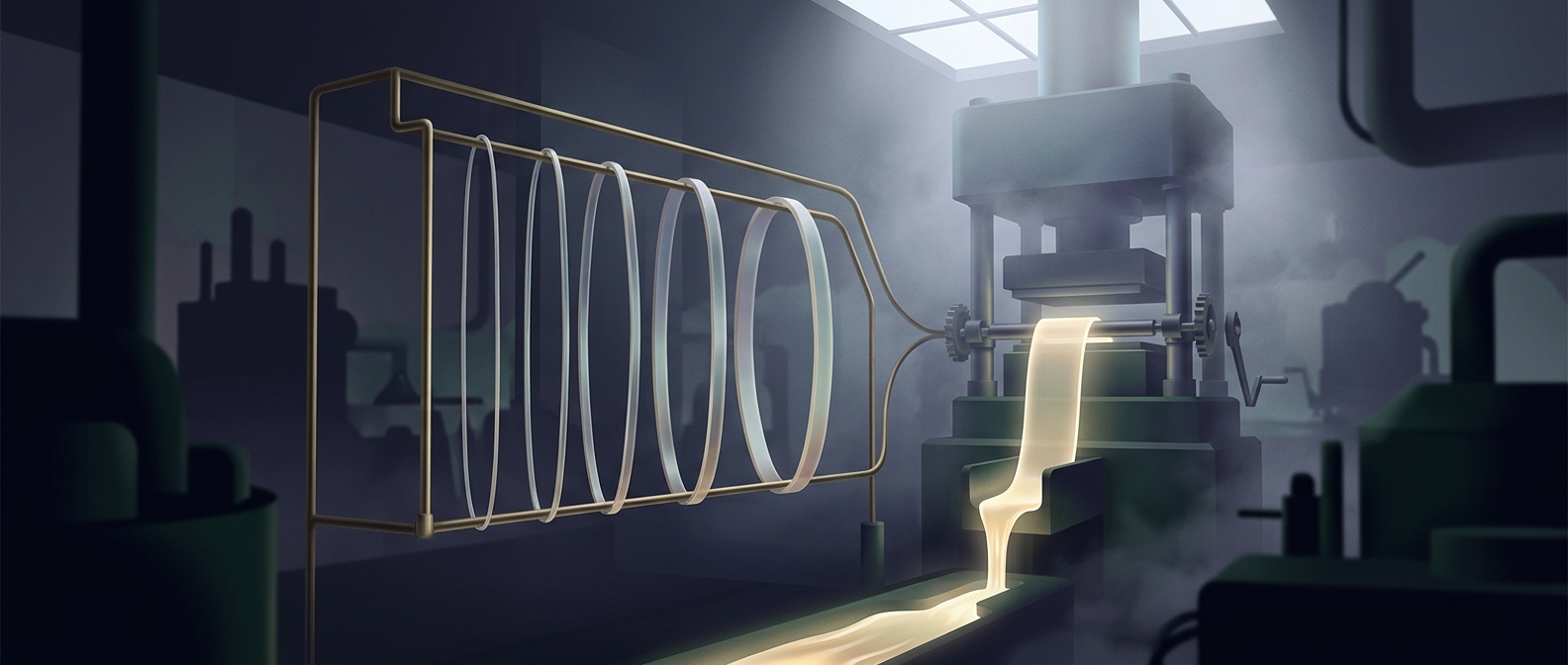
Injection molding turns plastic into a finished part by heating it until it flows, pressing it into a shaped metal mold, and letting it cool. The mold is expensive to make, but once it is ready, the same machine can produce large numbers of nearly identical pieces quickly. That shifts much of the cost from each individual item to the production setup—and makes the approach attractive when a company expects to sell a huge volume.
The design has to suit the process. A product built from a small number of molded parts can be assembled with less labor and fewer components. BIC’s broader strategy was to apply that cost discipline to ordinary objects people use routinely, including pens, lighters, and razors. The key was not simply choosing plastic; it was shaping products around repeatable, high-volume manufacturing.
Low price changes what customers expect
A low-cost item can be sold widely because its price is easier to accept—and, when it wears out or runs empty, replacing it may seem simpler than repairing it. That creates a reinforcing cycle: broad demand supports long production runs, and long runs help keep unit costs down. The same logic that makes an inexpensive product accessible can also make it disposable.
There is a tradeoff behind the bargain. Consumers pay less upfront and avoid maintenance, while the maker depends on steady sales of replacements; discarded products leave the user with the waste. BIC’s manufacturing approach therefore did more than cut the price of familiar goods. It helped make replacement, rather than repair, a normal part of how people bought them.