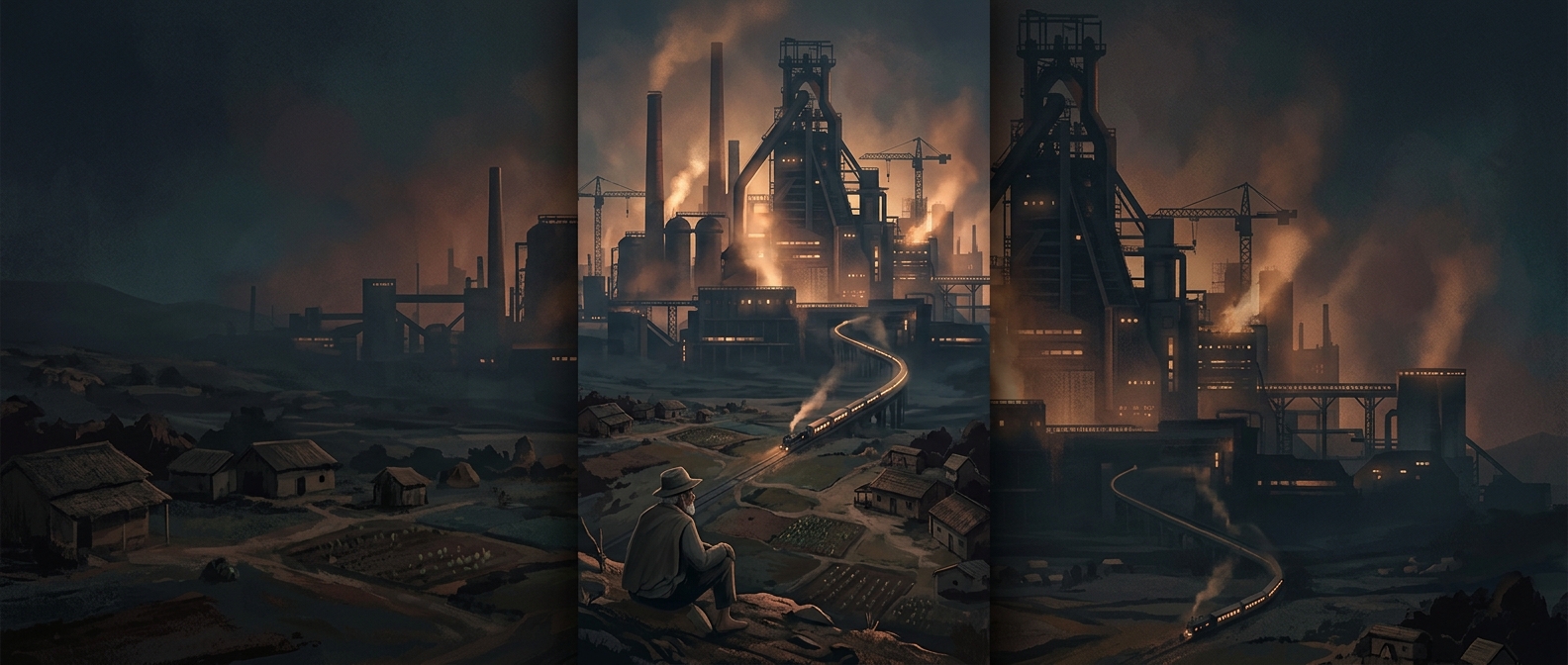
Growth has a physical footprint
An economy can expand by producing more goods, delivering more services, or charging more for what it already provides. But making and moving physical products takes energy and materials: metals for machinery, fuel for transport, land for crops, and water for manufacturing. Those inputs come from a planet with finite stocks and limited capacity to absorb pollution and waste.
That creates a distinction between economic value and material throughput—the volume of resources extracted, processed, and discarded. More value can sometimes be created without using proportionally more material, but efficiency does not erase the underlying limits. If lower costs lead people to buy much more, for instance, some of the savings in resources can be offset by higher total consumption.
Reuse slows the flow
Reusing an object changes how quickly new resources must enter the economy. A repaired appliance, refillable container, or secondhand coat can meet a need without requiring a brand-new item and all the extraction, manufacturing, and transport behind it. That can save money for the user as well as reduce demand for fresh materials.
Reuse is not impact-free: items wear out, and collecting or repairing them takes labor and energy. Its advantage is that it can deliver another round of use from resources already spent. The practical question is therefore not only how much an economy grows, but whether it can provide what people need while using less new material per useful service. A coat worn by several people before it is replaced illustrates the difference: the need for clothing remains, but the demand for newly made coats can fall.