Why an Obvious Tease Still Gets a Click
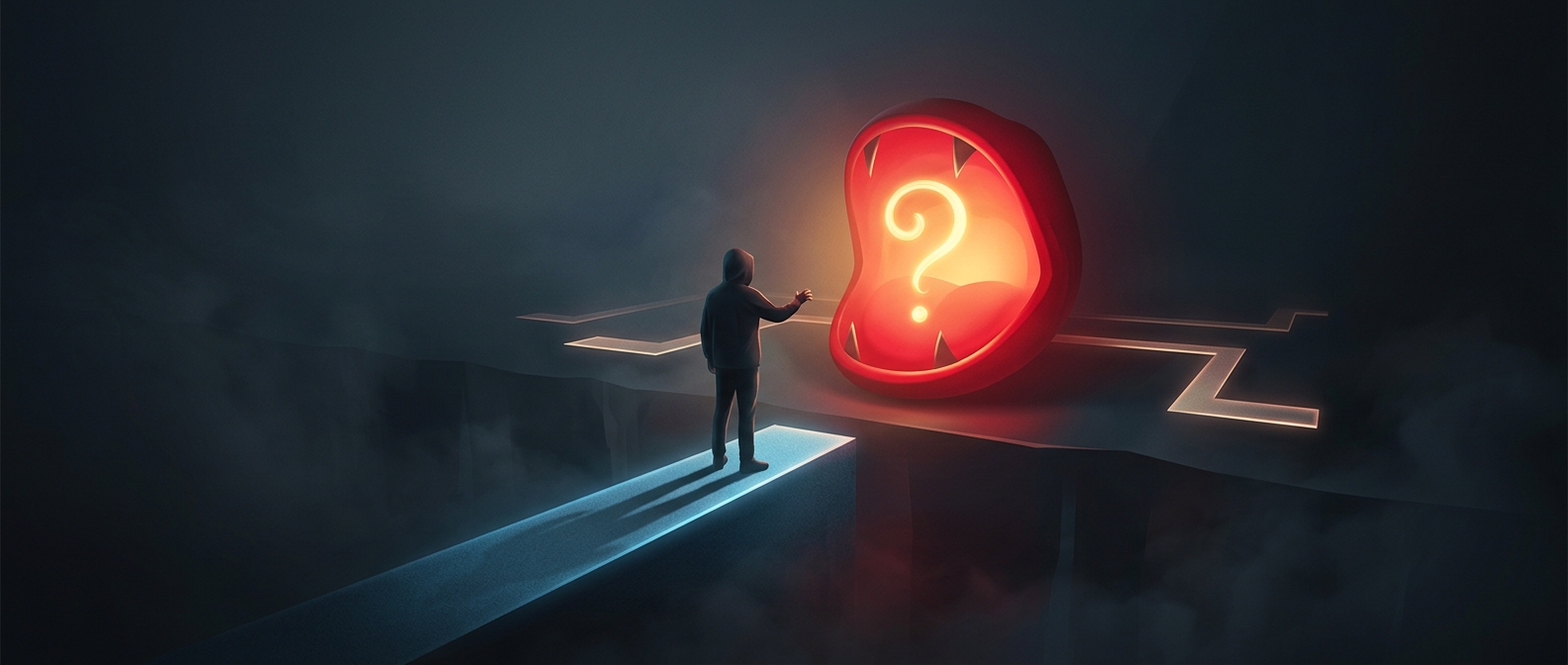
A sensational headline can be easy to distrust and hard to ignore at the same time. It hints at a surprising answer while withholding the detail that would let you judge whether the story is worth your attention. That small gap—“What happened?” or “Who was it?”—creates an unresolved question, and clicking seems like the quickest way to close it.
Recognizing the tactic does not automatically remove the question. In fact, a reader may click while fully expecting a disappointing page: the immediate goal is not necessarily to find trustworthy reporting, but to satisfy a moment of curiosity.
The Click Is a Small Bet
Before opening the page, readers cannot know exactly how much time it will take or whether the promised reveal will be worthwhile. But a click feels cheap: it takes little effort, and the reader can leave if the payoff is poor. That makes the decision resemble a small bet on a possible reward.
The headline also makes the reward unusually vivid. A claim that someone did something “unbelievable” invites the reader to picture an answer, while the missing specifics keep several possibilities alive. The mind can keep returning to the question even when experience suggests the page will pad out the answer.
Why the Slideshow Can Keep You There
Once clicked, a slideshow often delays the promised information across multiple pages. Each next button offers a tiny chance that the reveal is just one step away. Even if a reader notices the delay, the effort already spent can make one more click feel easier than stopping and leaving the question unresolved.
That does not mean every reader is fooled. The mechanism depends less on believing the headline than on briefly wanting to know what comes next. The telling detail is that skepticism and curiosity can coexist: a reader can see the bait, predict the slideshow, and still open the first page to check the answer.