How a casual photo became a reusable reaction
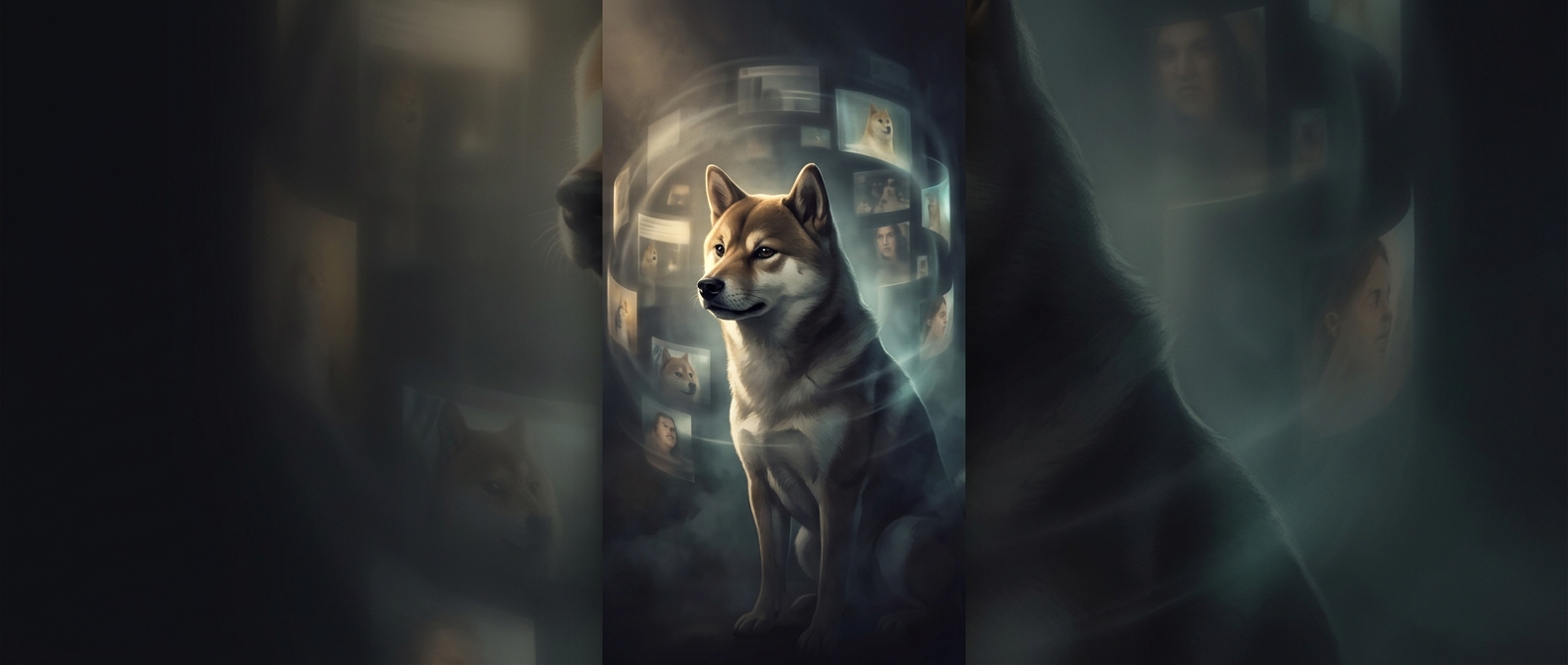
Kabosu’s expression gave the photo unusual versatility. Her sideways glance can read as suspicion, embarrassment, quiet judgment, or simple curiosity, depending on the situation. That ambiguity made the image easy to pair with jokes about everyday thoughts and social awkwardness.
Online, people began turning the picture into Doge, a meme format built around short, deliberately ungrammatical phrases—often fragments such as “much” or “so” followed by an adjective or noun. The mock-serious wording made the dog seem to narrate ordinary situations in an oddly earnest voice. As users changed the phrases to fit new jokes, the image could travel far beyond its original context.
The dog behind the format
Kabosu was not a character created for the internet; she was a rescue dog whose owner shared a photograph during an ordinary blog update. That origin is part of the appeal: a private, unposed moment became a public image that millions of people could reinterpret without knowing its backstory.
The meme’s format also kept Kabosu recognizable while letting the joke change. Each new caption supplied a different inner monologue, but the same watchful face anchored it—so a routine snapshot could keep finding fresh uses.