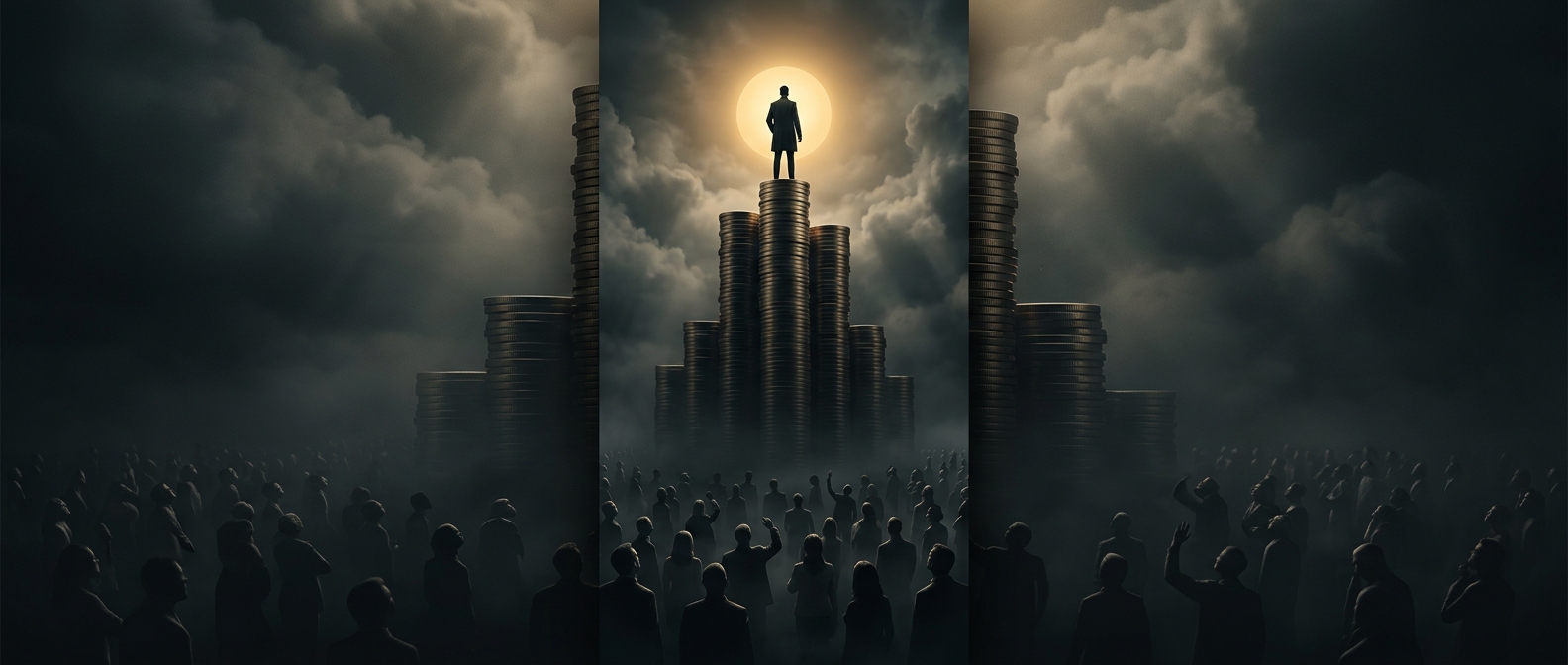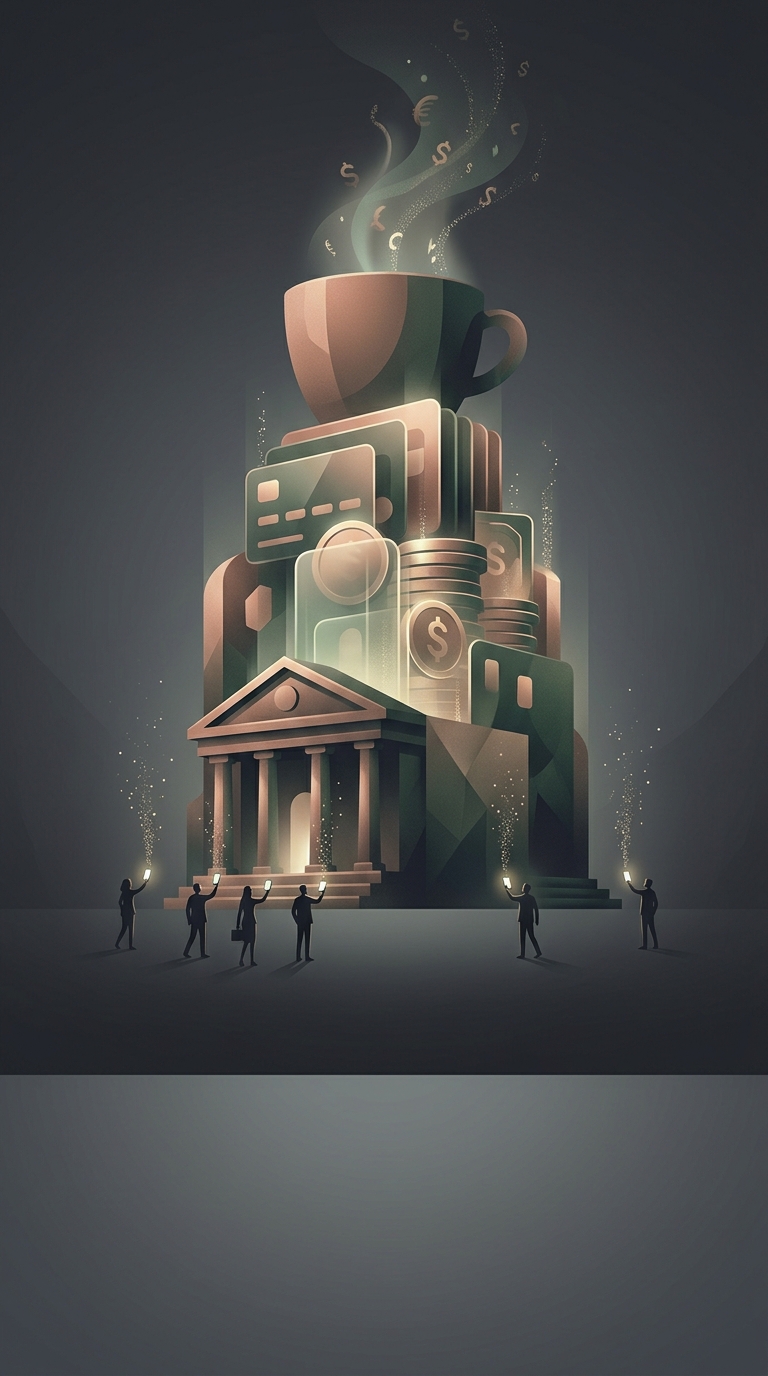
A Starbucks card is a small, interest-free loan from customers
When someone adds money to a Starbucks card, Starbucks receives cash immediately, but it has not yet delivered the coffee or other items that money may buy. The balance is a promise to provide goods later, not a completed sale. In accounting, that obligation is generally recorded as a liability until the customer spends the balance.
That timing gives the company an early source of cash. Starbucks can use the money in its business while the customer decides when to visit, though it still has to honor the balance when it is redeemed. Calling it a loan is an analogy, not a formal debt agreement: the customer usually receives no interest, and the card is meant to be exchanged for purchases rather than repaid in cash.
When the drink is never ordered
Some balances remain unused. If Starbucks can reasonably estimate that a portion will never be redeemed, accounting rules allow it to recognize that expected amount as revenue over time, subject to applicable requirements. This is often called breakage. It does not mean every dormant balance becomes profit immediately; the company must base recognition on its redemption experience and accounting rules.
The distinction matters because cash received and revenue earned are not always the same thing. A card reload brings in cash now; a redemption records the sale when the customer gets the product; expected breakage can eventually count as revenue even without a drink being made.
Why the balance matters to the business
Stored-value cards make payment convenient and can encourage repeat visits, but they also leave Starbucks with an obligation and uncertainty about when customers will use it. A balance sitting unused is not simply free money: the company must account for the chance it will be claimed. The striking business effect is the gap between the moment a customer pays and the moment Starbucks either serves the order or, under the rules, recognizes that the balance is unlikely to be spent.