The business was built around the bag, not the cup
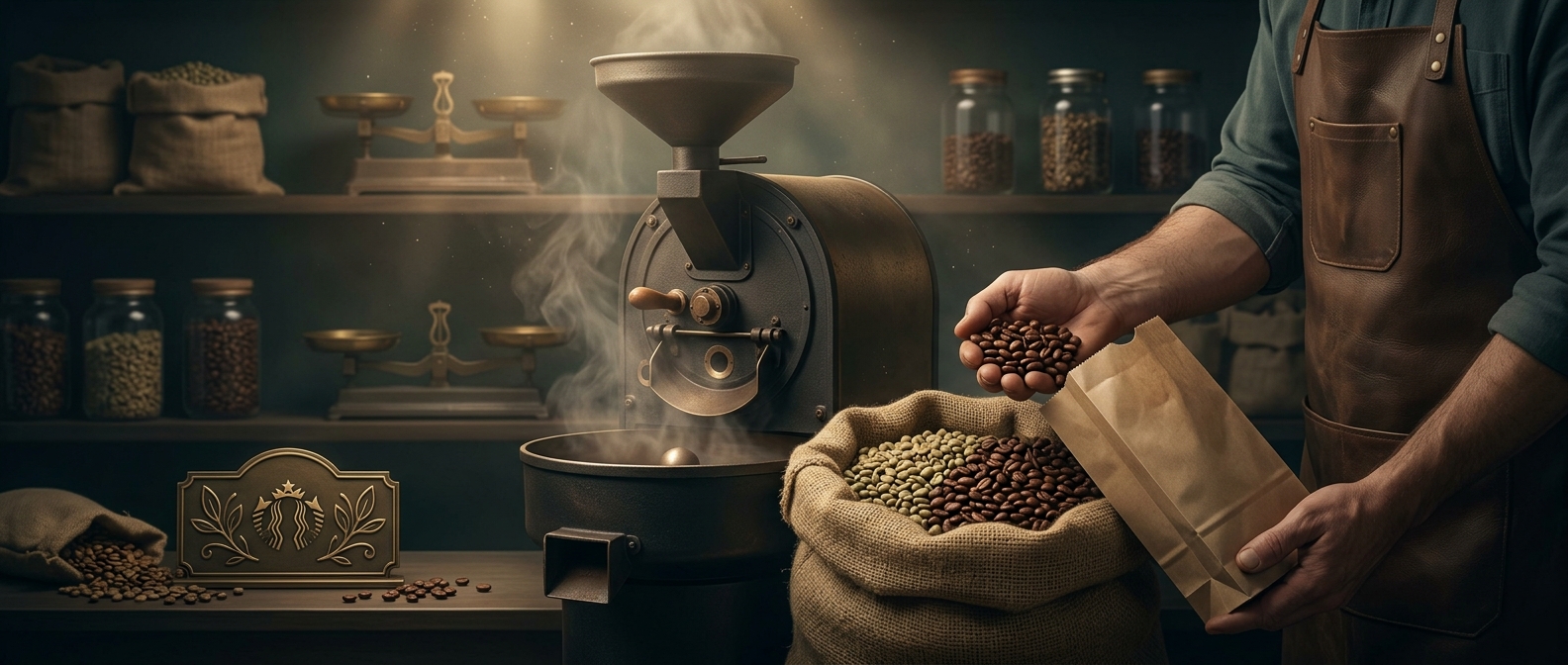
In the early specialty-coffee market, selling whole beans meant asking customers to finish the job at home: grind them, measure them, and brew them. The shop’s role was to source and roast coffee, then sell the tools and knowledge needed to prepare it. A brewed cup, by contrast, would make the store a place for immediate consumption—with different staffing, equipment, and customer habits to support.
That distinction shaped what the founders thought they were building. They saw coffee prepared behind a counter as a low-value novelty, while carefully roasted beans offered a product customers could take home and use repeatedly. The choice was not simply whether to add one item to the menu; it was whether to organize the business around retail coffee or around serving drinks.
A cup changed the customer relationship
Selling beans required customers to care about flavor before they had tasted the finished drink. Serving coffee could make that unfamiliar product easier to try: a person could sample it on the spot, learn what they liked, and return for another cup without owning brewing equipment. The shop would also become part of a daily routine rather than only a place to replenish pantry supplies.
That model brought its own costs and demands. Drinks had to be prepared for each customer, and the store needed to deliver a consistent experience at the counter. But it also offered a way to turn specialty coffee from a product people bought occasionally into a service they could seek out every day. The founders’ refusal to serve coffee preserved one kind of business; the later shift toward prepared drinks helped make a different kind of coffee shop possible.