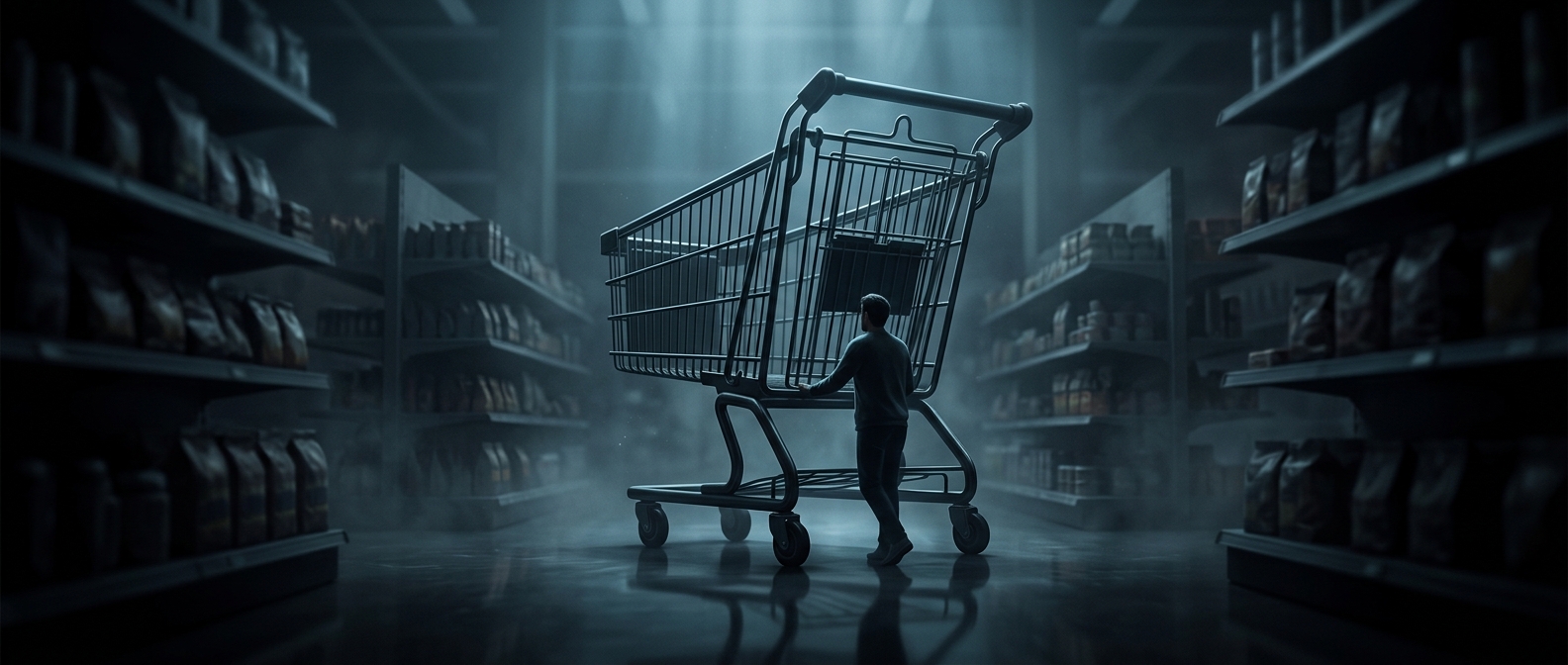
An empty cart changes the sense of “enough”
A shopping cart is more than a way to carry purchases. It also gives shoppers a quick visual measure of how much they have bought. When the cart is large, a handful of items takes up little space, so the load can feel incomplete—even if it matches the shopper’s list.
That impression can loosen a decision made in the aisle. An extra snack or household item seems like a small addition when the cart still looks nearly empty. The effect is a nudge, not a command: budgets, shopping lists, and the weight of the groceries still matter.
More room can mean a larger basket
For retailers, a bigger basket can translate into more items per visit. A spacious cart also makes it easier to carry bulky packages or shop for several days at once. Those advantages help explain why carts grew along with the scale and variety of modern grocery shopping.
The tradeoff is subtle. A larger cart can make a full stock-up trip more comfortable, but it can also reset a shopper’s sense of what a normal-sized purchase looks like. The extra space does not add anything to the shelves; it changes how much the shelves’ contents seem to add up to.