Why Smaller Tiles Can Slow a Grocery Cart
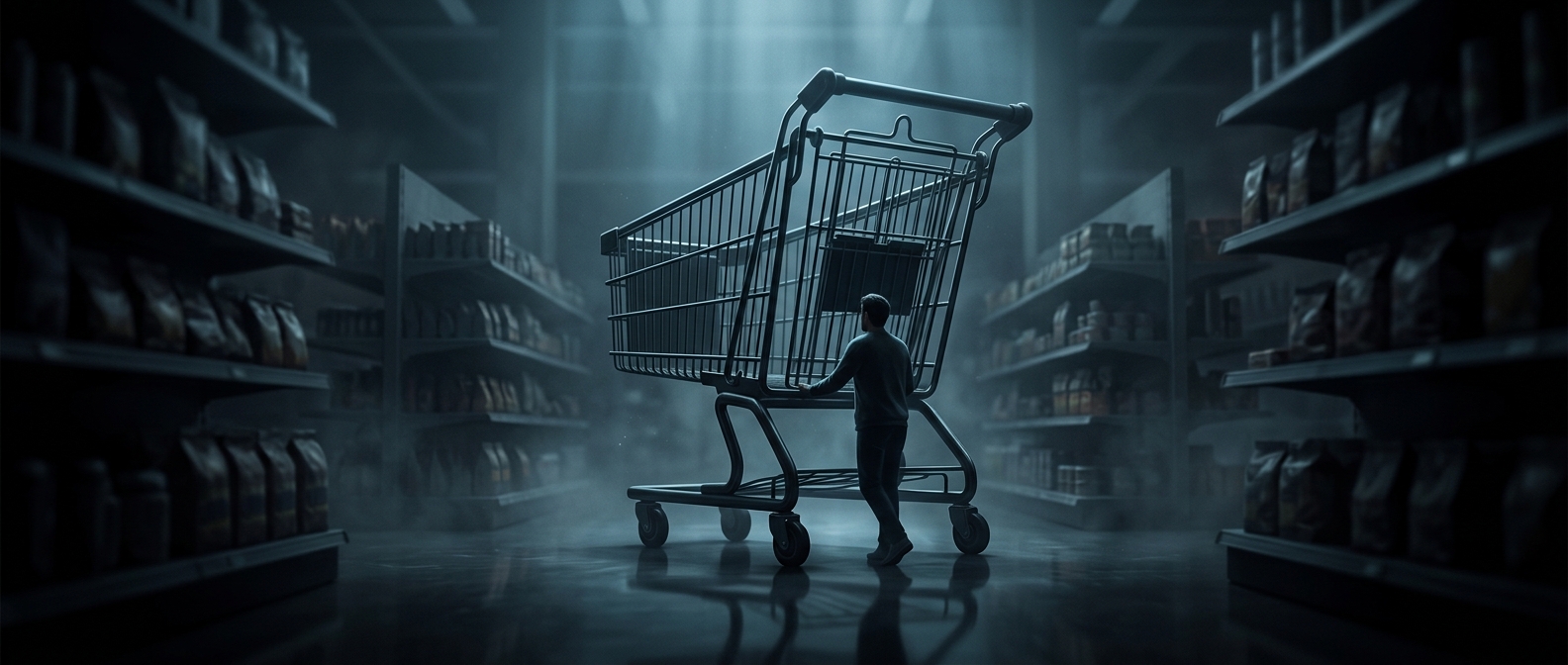
A shopping cart turns floor texture into a steady stream of little bumps. With smaller tiles, its wheels cross more grout lines over the same distance, producing more frequent vibrations and rattles. That can make pushing feel less smooth—and encourage shoppers to ease their pace, even if only slightly.
For a store, a slower-moving customer has more time to notice products on nearby shelves. That matters most in aisles stocked with premium goods: extra attention can make it more likely that a shopper pauses, compares options, or considers an item they did not come in to buy. The hoped-for payoff is not a dramatic change in anyone’s route, but a small nudge toward browsing.
A Subtle Tradeoff, Not a Guarantee
The effect depends on the floor, the cart’s wheels, and how quickly someone is moving. Tile size alone cannot make a shopper stop, and a rougher surface can simply feel less comfortable. Still, flooring is one way a store can shape the pace of a trip without putting up a sign or changing the products on display.
That is the economic logic: a tiny interruption in movement may create a little more time for high-margin merchandise to compete for attention. The next time a cart starts rattling more in one aisle than another, the floor may be doing more than setting the look of the store.