The fitting room as a retail bottleneck
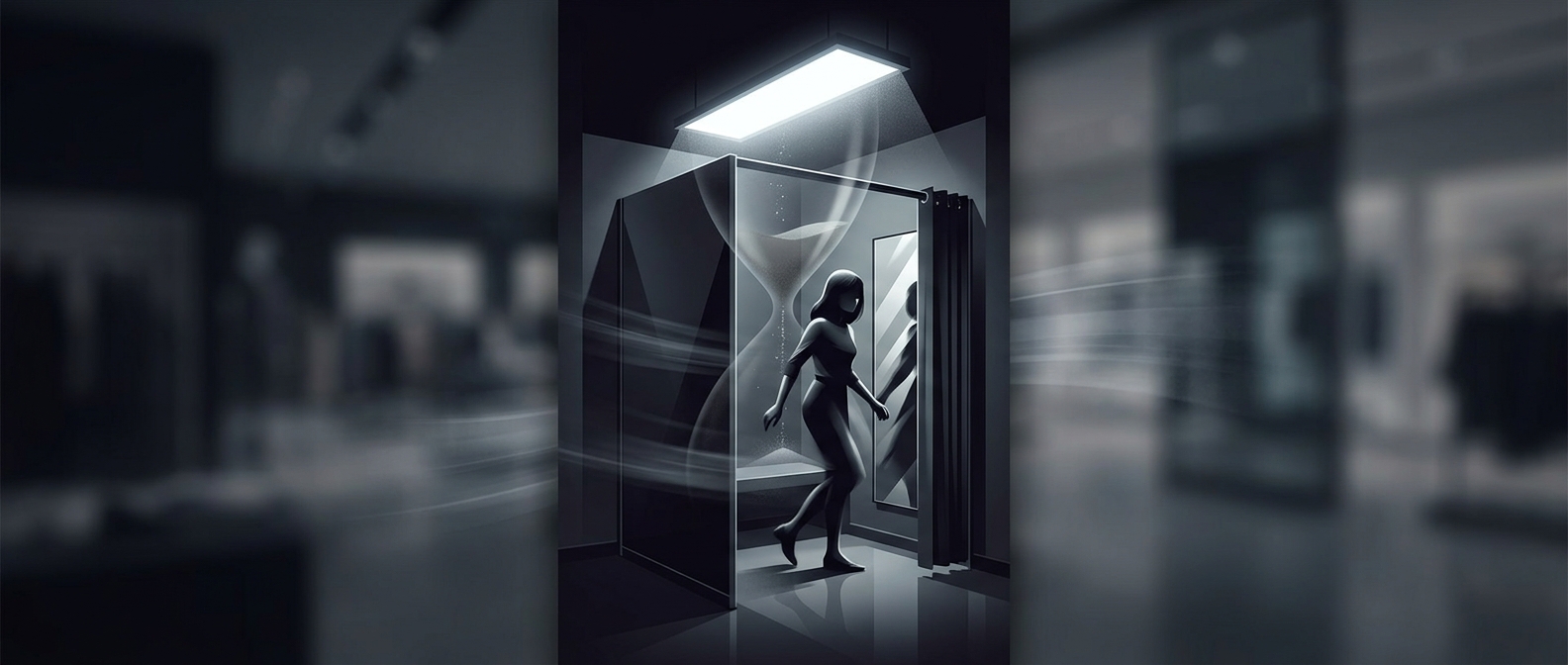
A fitting room is more than a private place to change: it is a limited-capacity part of the store. While one shopper is inside, someone else may be waiting, and the space cannot be used for another try-on. For a large apparel chain, even small differences in how long customers linger can affect the line during busy periods.
Stark overhead lighting can make the room feel less inviting. If shoppers feel exposed or simply do not enjoy spending time there, they may make a decision sooner and leave. The design tradeoff is comfort versus turnover: a room that encourages lingering may offer a better experience, but it can also keep the queue moving more slowly.
A small design choice with a visible cost
That does not mean every harshly lit fitting room was designed to hurry customers; practical choices such as bright, simple overhead fixtures can also shape the result. But where a chain deliberately favors stark lighting, the logic is operational: shorten the time each shopper occupies a scarce room.
The consequence is easy to notice. A lighting choice meant to speed up shopping can also make trying on clothes feel less pleasant—and leave customers weighing fit and appearance under conditions they would not choose at home.