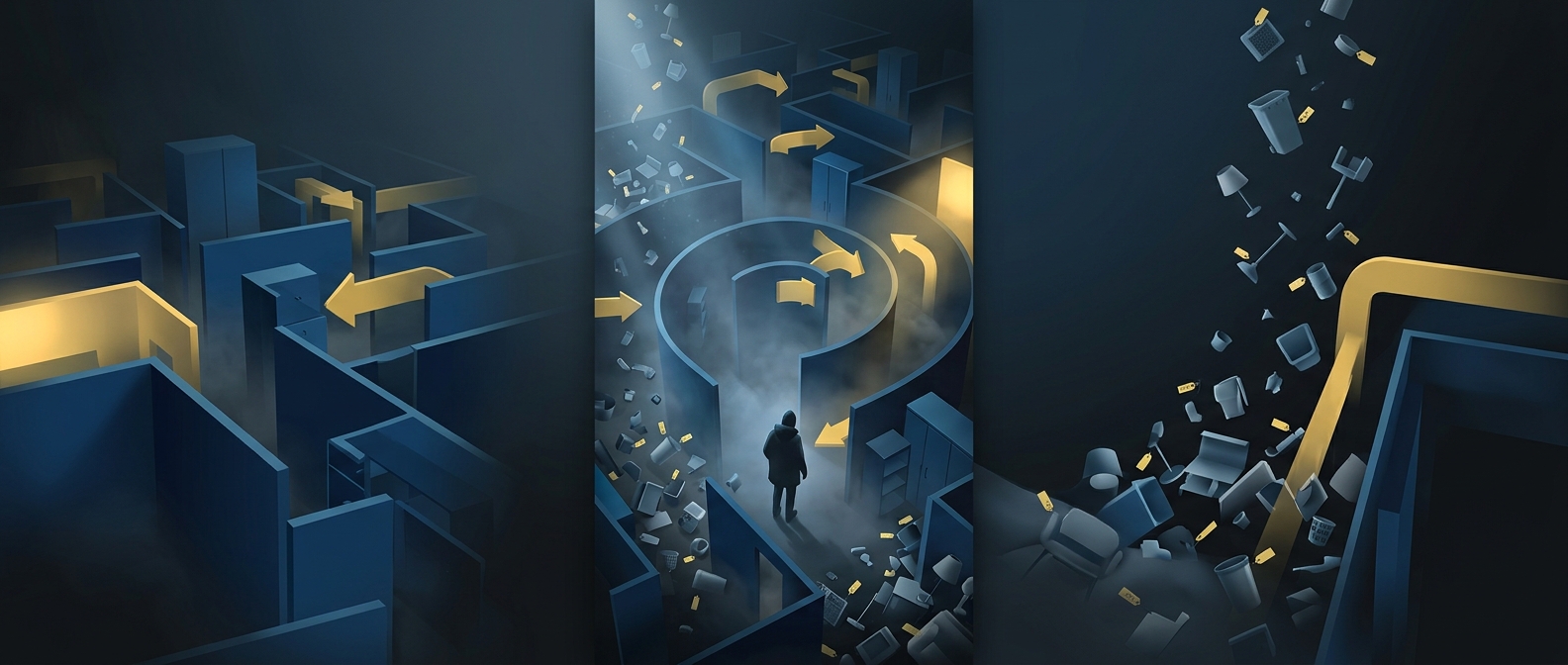
A route that turns products into possibilities
An IKEA showroom does more than display furniture: it puts products into scenes. A lamp sits beside a sofa, storage boxes appear in a child’s room, and kitchen tools are arranged as if someone were already cooking. That setting helps shoppers picture how an item might fit into their own home—and makes related products easier to notice.
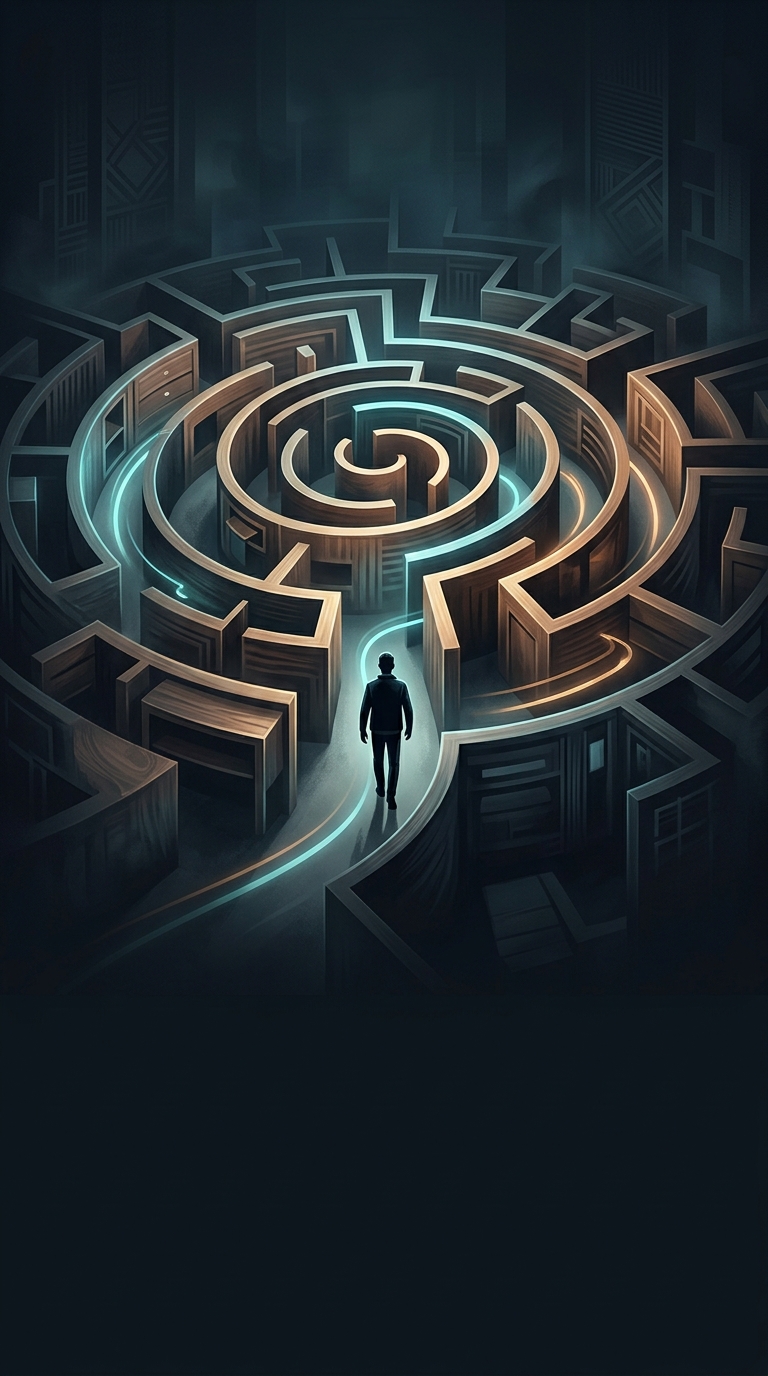
The winding route supports that kind of discovery. Instead of heading straight to one shelf and leaving, shoppers pass through multiple room displays and product categories. Each display creates another chance to see something useful, attractive, or unexpectedly affordable. The commercial advantage is not simply extra walking; it is more opportunities to connect a product with a need a shopper had not yet considered.
The tradeoff behind the maze
A longer path can also feel tiring, especially for someone who came for one specific item. That friction is part of the tradeoff: browsing can increase the chance of an unplanned purchase, but too much inconvenience can frustrate customers or send them out without buying. Clear signs, maps, and ways to move between sections help make a deliberately exploratory store usable.
The layout also changes how shopping decisions happen. A shopper may arrive thinking about a desk, then see a chair, a lamp, and organizers presented as parts of the same setup. The display makes the extra purchases feel less like unrelated add-ons and more like pieces of a finished room. By the time shoppers reach the warehouse or checkout, the route may have expanded not only what they saw, but what they consider worth taking home.