Why the Same Mistake Looks Different From Each Side
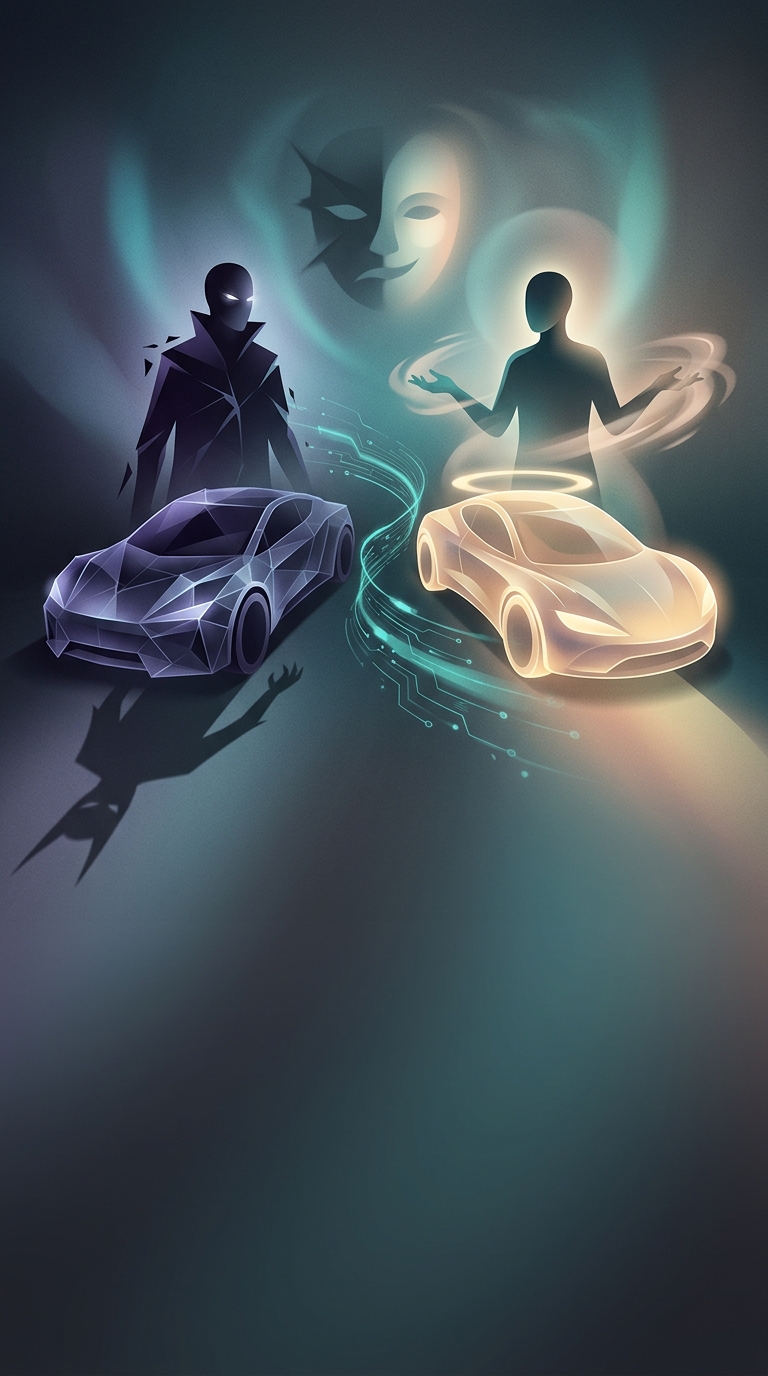
Psychologists call this the actor–observer bias: we tend to explain another person’s behavior by pointing to their character, but explain our own behavior by pointing to the situation. A driver who merges in front of us seems selfish; when we make the same move, we remember the blocked lane, the missed exit, or the car in our blind spot.
The difference comes partly from what each person can see. As observers, we notice the other driver’s action, but may know little about what led up to it. The action becomes the most available clue, so we infer a stable trait: “That person is careless.” As actors, we have access to our own pressures and intentions, so the circumstances loom larger: “I had no choice.”
How a Split-Second Judgment Hardens
These explanations can shape what happens next. If we interpret a cut-off as proof of bad character, irritation may feel justified, and we may respond more harshly. If we see our own move as an understandable exception, we may not recognize that someone else experienced it the same way we experienced theirs.
The bias is a tendency, not a rule. People can misread their own motives or know enough about another person’s circumstances to make a more situational judgment. Still, remembering the imbalance can create a useful pause: the other person’s action is visible, but the reasons behind it may not be. That does not make the maneuver harmless; it makes a confident verdict about the driver’s character less certain.