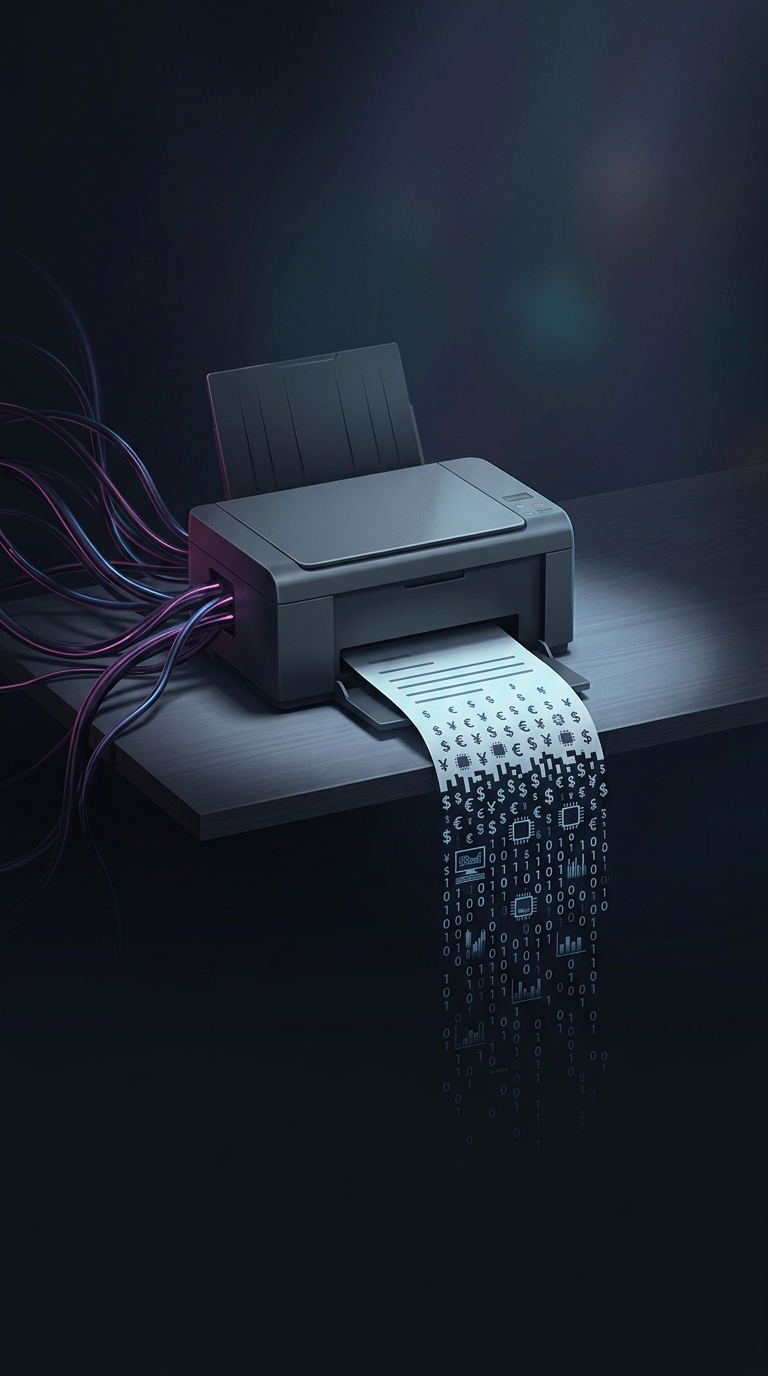
The printer is the beginning of the sale
A home printer is a durable purchase: once it is on a desk, it may work for years. Ink is different. It runs out, dries up, or needs replacing, so each printer creates the possibility of repeated sales long after the hardware has left the store. That recurring demand is why many printer makers treat the machine less as the main source of earnings and more as the gateway to a supplies business.
Why cartridges can be more profitable
Printer prices are highly visible and easy to compare, which puts pressure on manufacturers to keep hardware affordable. Cartridges are less interchangeable: they must fit a particular printer family and work with its printhead and software. That compatibility gives the manufacturer a more dependable customer relationship—and often more pricing power—than it has over the printer itself.
The economics resemble the familiar “razor and blades” model: sell a long-lived tool, then earn continuing revenue from the consumable it requires. A low-priced printer can therefore make commercial sense if its owner keeps buying the company’s ink. The key distinction is between revenue and profit: selling many printers does not necessarily mean hardware generates the larger share of earnings.
The tradeoff for customers
This arrangement helps make printers accessible upfront, but the ongoing cost can be less obvious. Buyers may find that a replacement cartridge costs enough to make the original bargain feel different over time. Some manufacturers also offer refill programs or subscription plans, which turn the same recurring need into a more predictable purchase.
The model is not identical across every company or product line, and it changes as printing habits shift. But it explains why a printer’s most consequential business feature may not be its speed or price—it may be the specific ink it is designed to accept.