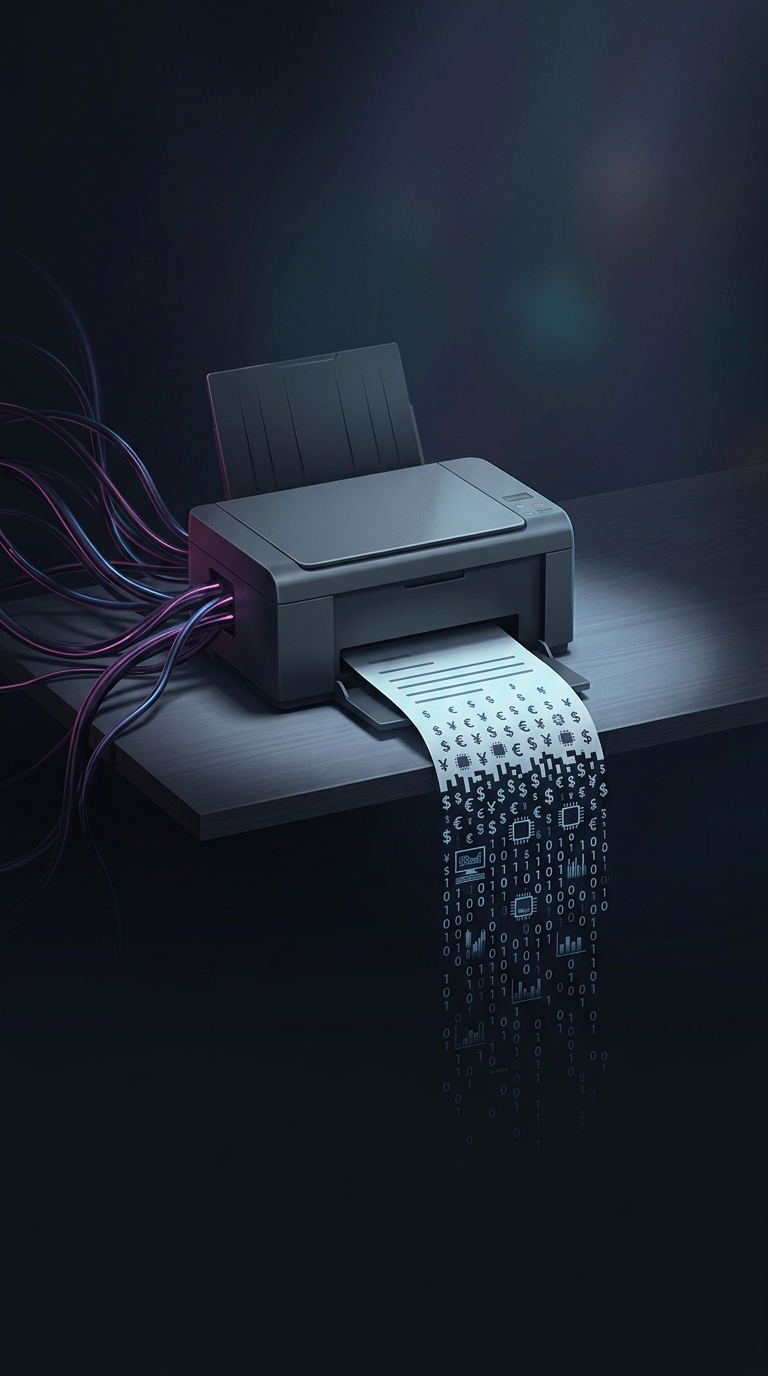
The printer was the cheap part
Many home inkjet printers were sold at an enticingly low price because the real business was not the machine. It was the stream of replacement ink buyers would need afterward. That is the razor-and-blades model: make the reusable device affordable, then earn recurring revenue from the consumable it depends on.
The arrangement can look like a bargain at checkout. But once a household has a printer, its cartridges may be designed for that model alone. Switching brands can mean replacing the printer, while choosing a refill or a third-party cartridge may bring compatibility warnings or fail altogether. The cheap purchase becomes a costly commitment.
Small cartridges, recurring costs
Inkjet printers push liquid ink through tiny nozzles onto paper. Because ink can dry in those nozzles, a printer may run cleaning cycles that use some ink even when it has printed little. Cartridge yield—the number of pages it is expected to print—also depends on what is printed: a page with large areas of color uses more than a page of plain text. So a cartridge that seems to last a long time in a product listing may not last as long in everyday use.
Some printers also require several cartridges, including separate colors, and may refuse to print when one runs out. Depending on the model, even a black-and-white job can involve color ink. These design choices turn a seemingly modest replacement into a repeated purchase, and make the cost of each printed page much harder to judge than the sticker price of the printer.
The lock-in is the business
The harshest part is the mismatch between what buyers think they are buying and what they actually have to keep paying for. A printer looks like a one-time appliance; its proprietary cartridges make it behave more like a subscription without a clear monthly bill. The economics are powerful precisely because the expense arrives later, one cartridge at a time—after the original bargain has already put the machine on the desk.