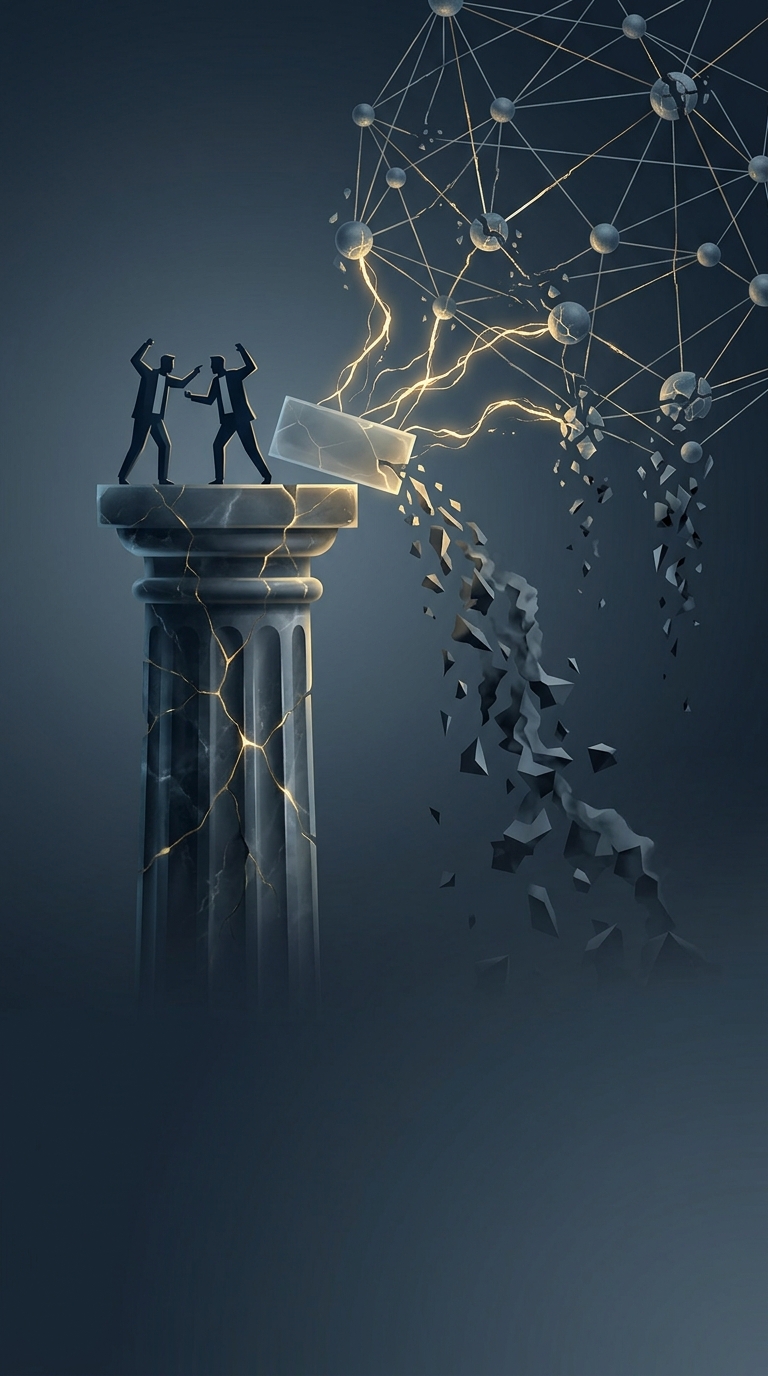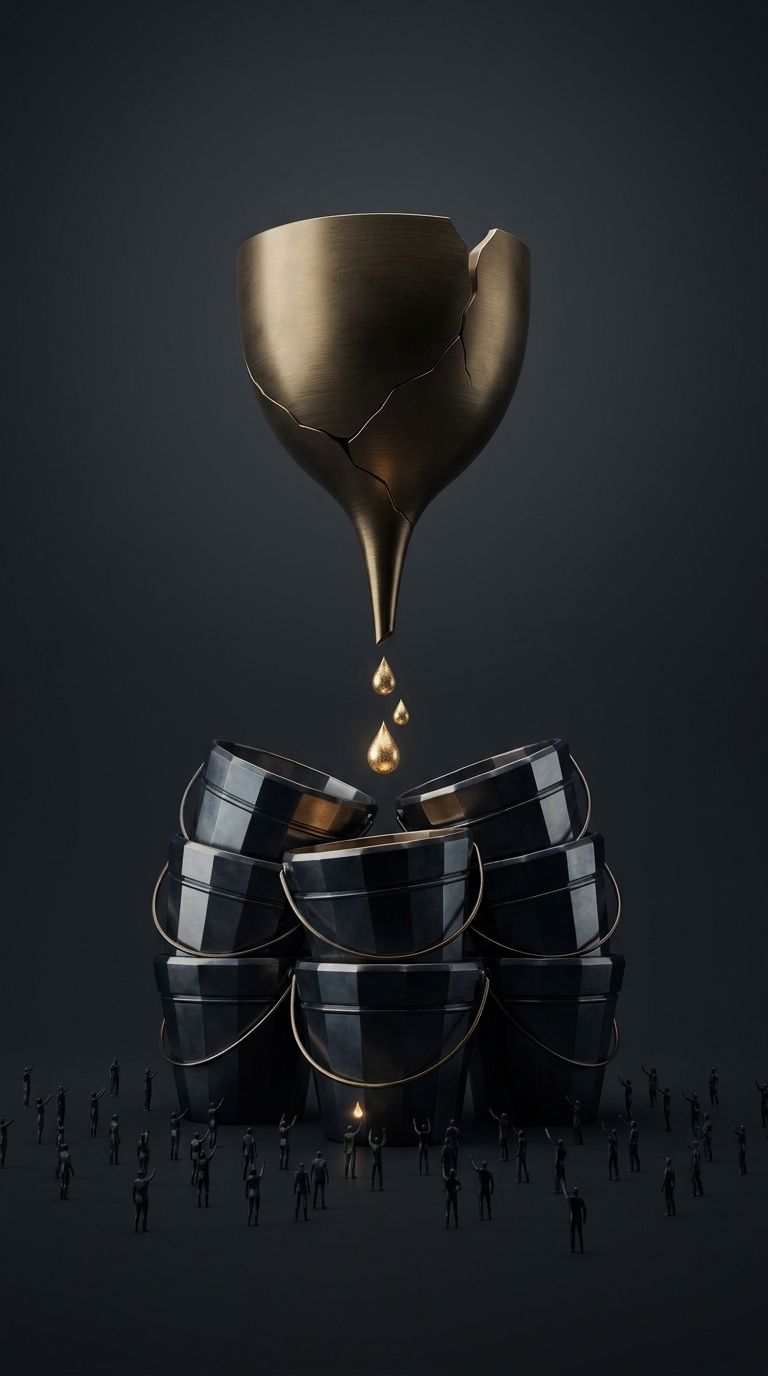
A joke about money moving uphill
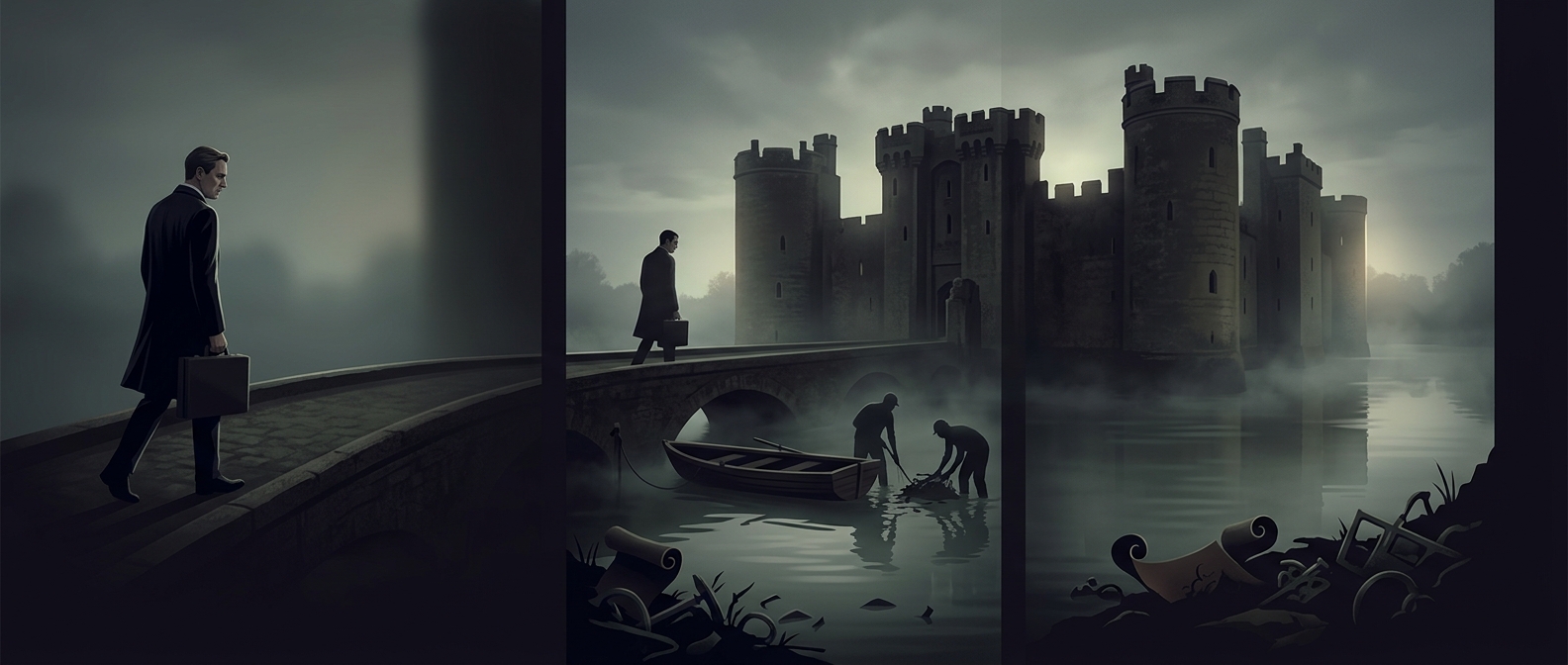
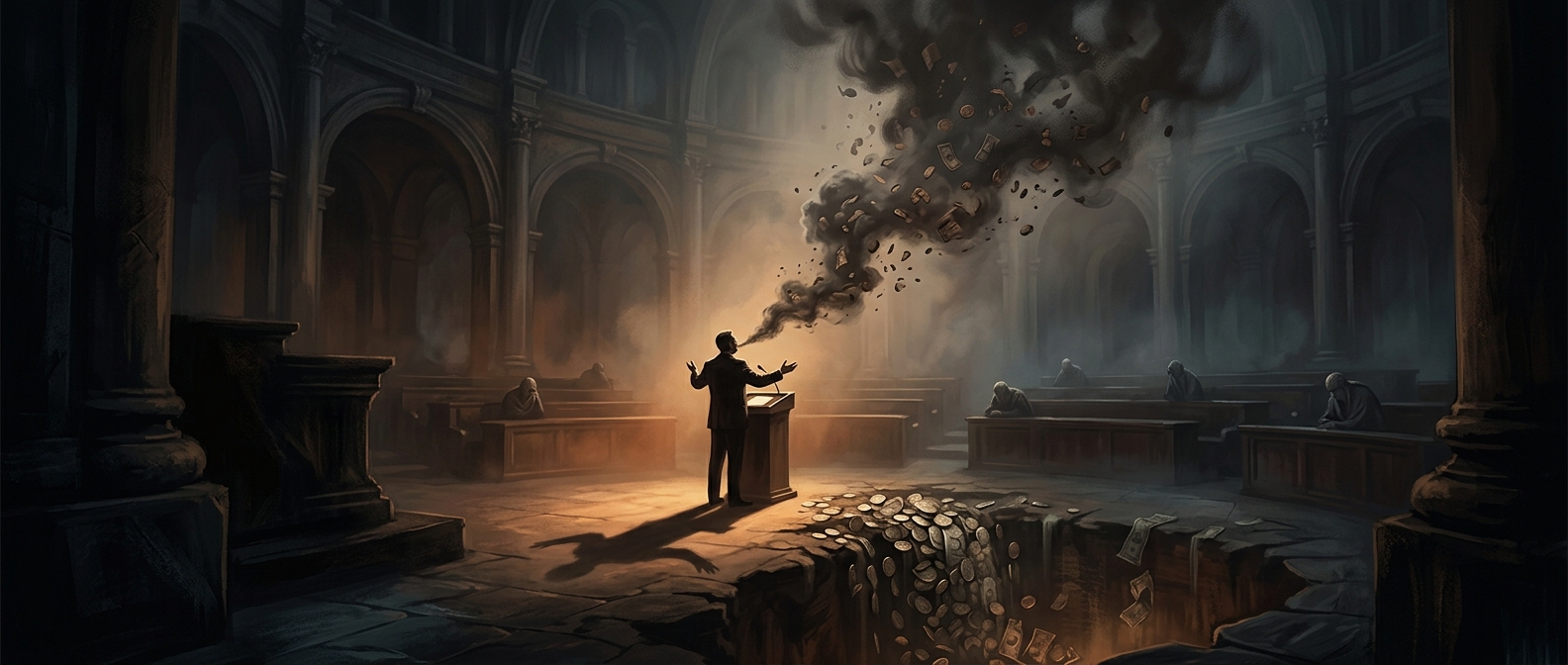
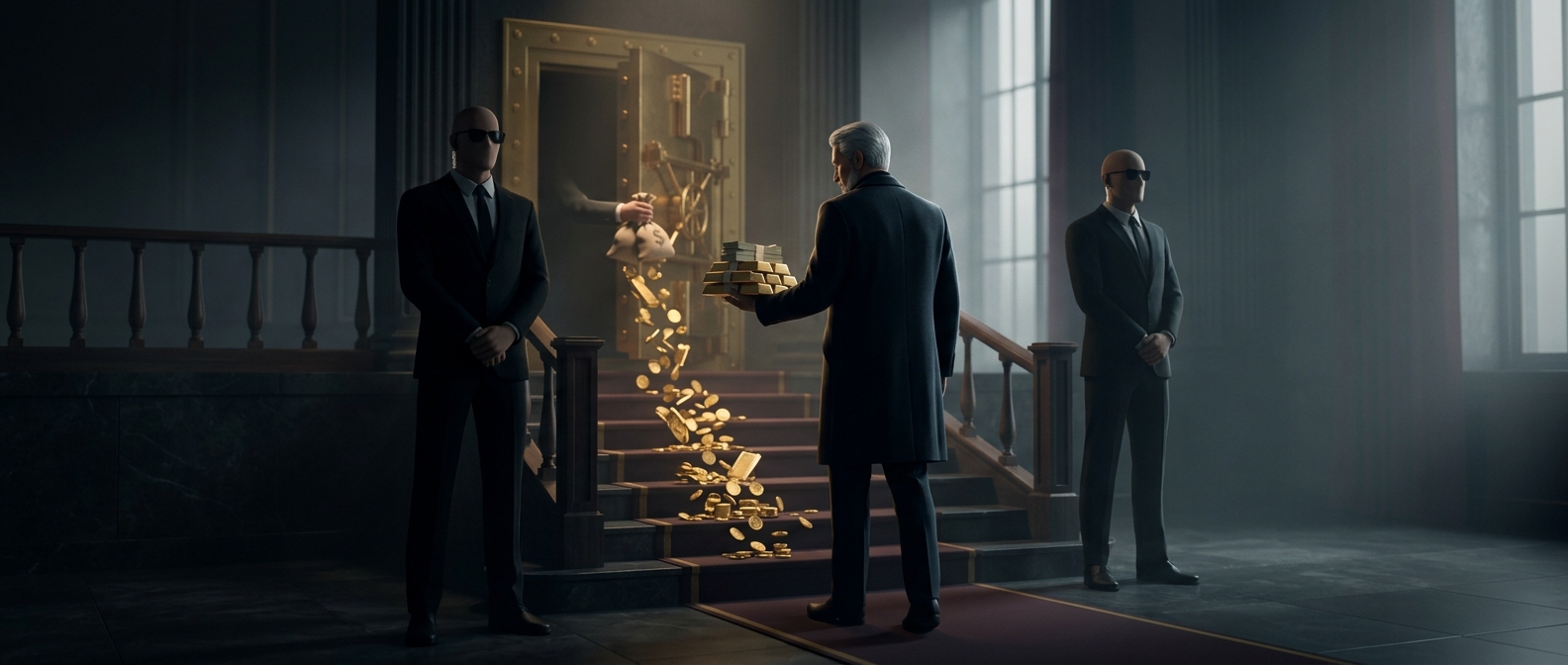
During the Great Depression, Will Rogers used “trickle down” to lampoon the promise that helping the wealthy would eventually benefit people with less. The joke turned a policy argument into a physical image: money goes to the top first, and the public is asked to wait for some of it to flow down. Rogers’s line captured a criticism, not a technical economic theory he devised.
The argument behind the later shorthand
Decades later, critics applied “trickle-down economics” to tax cuts aimed at high-income people and businesses. Supporters generally described such measures in terms of supply-side economics: the idea that leaving more money with investors and companies can encourage investment, expansion, and hiring. If that activity raises incomes and employment, the gains may reach workers and consumers too.
The disputed step is how reliably those gains spread. A company might invest a tax saving in new equipment or jobs, but it might instead return money to shareholders, build up cash, or use it in ways that do not substantially raise wages. The outcome depends on business decisions and economic conditions—not on a guaranteed downward flow.
Why the image stuck
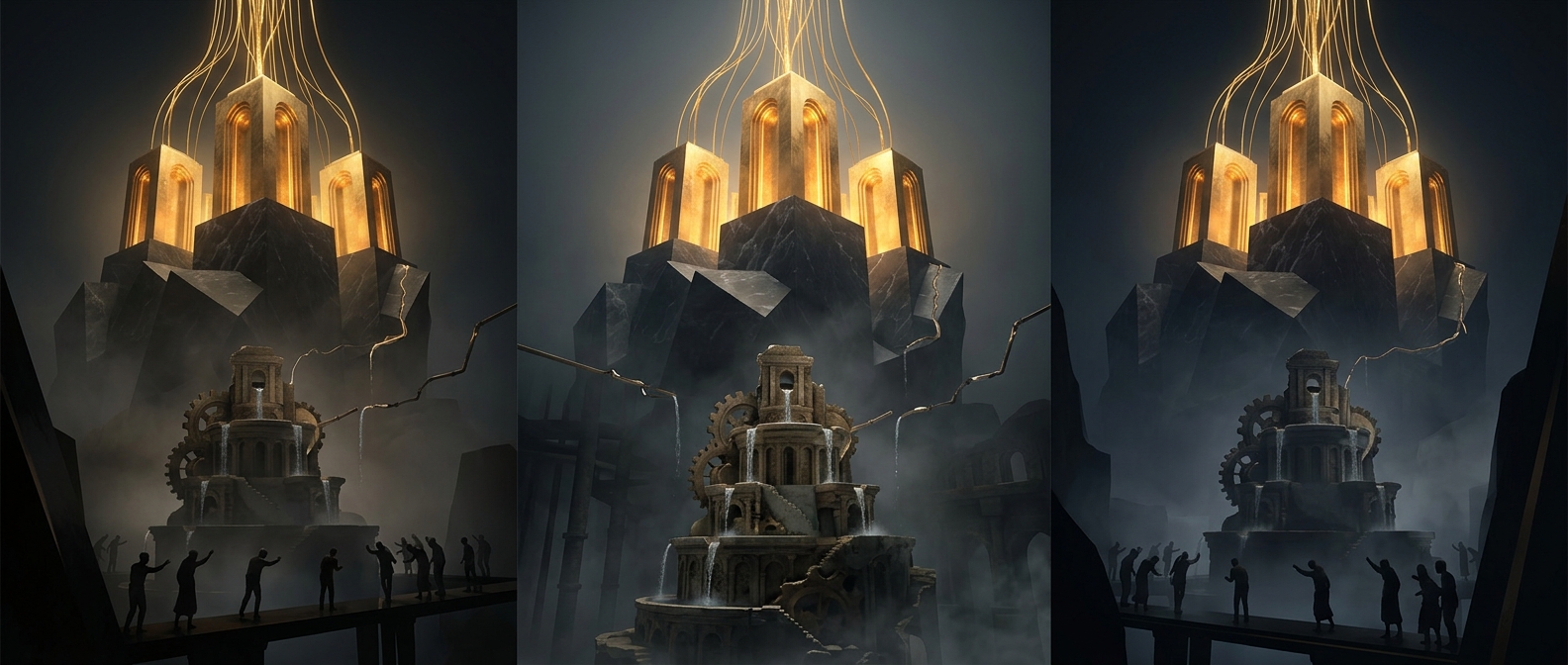
The phrase compresses that disagreement into a memorable contrast between who receives a benefit directly and who is expected to benefit later. Rogers’s joke endures because it asks a pointed question about timing and distribution: when money is directed upward, how much reaches people lower down, and by what route? The answer cannot be read from the tax cut alone; it depends on what recipients do next and who ultimately gains.