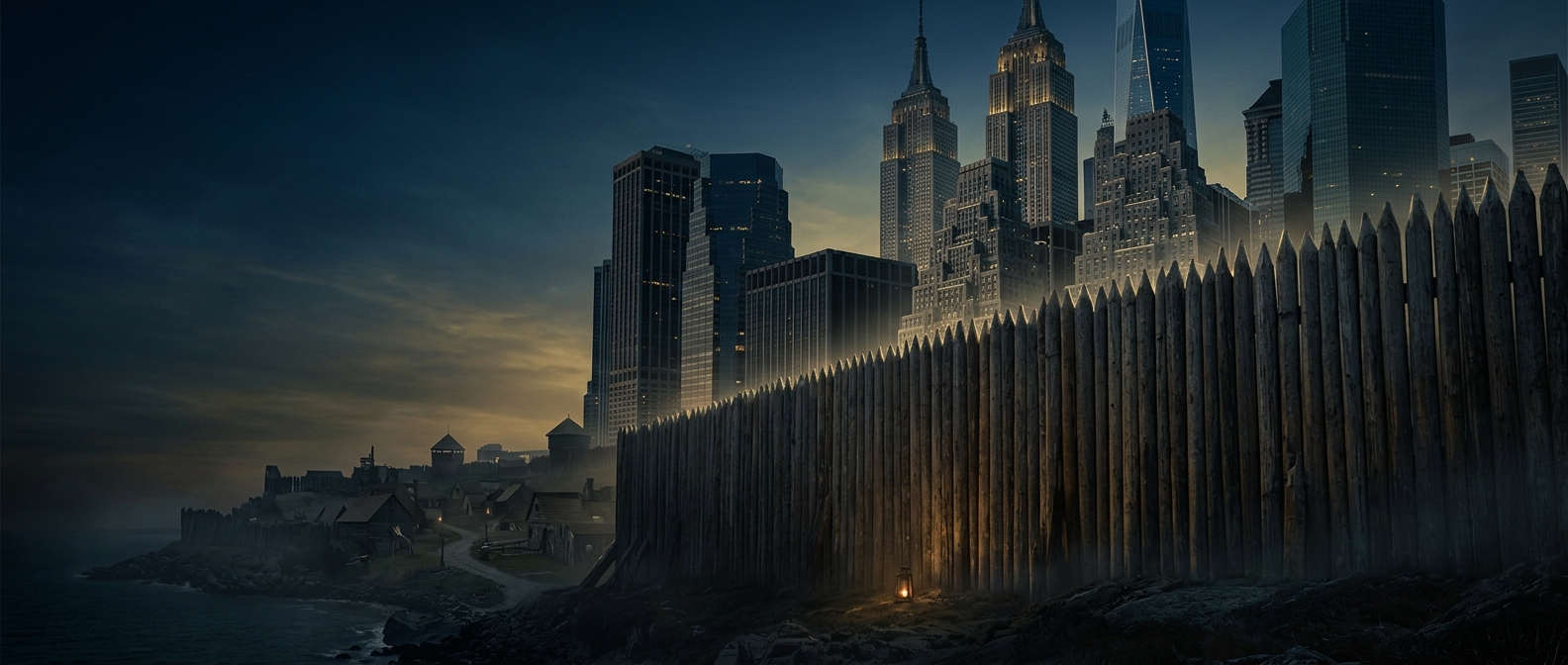
Why large investors use dark pools
A public exchange displays many buy and sell orders before they are filled. That visibility helps investors see the market, but it can also expose a large trader’s plans. If a fund needs to sell a substantial block of shares, other traders may infer that a seller is waiting and lower their bids. The fund could then receive less for the remaining shares.
A dark pool is a private trading venue where orders are not displayed to the public in advance. Buyers and sellers can be matched there without revealing the size or direction of an unfilled order to the wider market. The goal is not to make the trade invisible forever: completed trades are generally reported afterward, under applicable market rules.
How a hidden order gets filled
A dark pool brings together orders from participants such as institutional investors. When compatible buy and sell interests meet, the venue executes a trade, often using a price based on quotes from public markets. Because the order was not advertised on a public order book first, it may attract less immediate attention from traders who could react to it.
That can help an institution work through a large transaction with less price movement caused by the order itself. But privacy cannot guarantee a better price or a quick match. A dark pool may not have enough willing buyers or sellers, and a trade still depends on the broader market’s prices and conditions.
The tradeoff of less visibility
Dark pools address a tension built into markets: displaying orders can help participants judge supply and demand, yet revealing a very large order can disadvantage the investor placing it. Private venues reduce that advance disclosure, but they also show less of the market’s trading interest to everyone else.
So a dark pool is not a separate stock market with its own hidden share prices. It is a way to execute certain trades while withholding orders from public view before they are filled. The key consequence is a tradeoff: the large investor may avoid advertising its intentions, while the public gets a less complete picture of buying and selling until trades are reported.