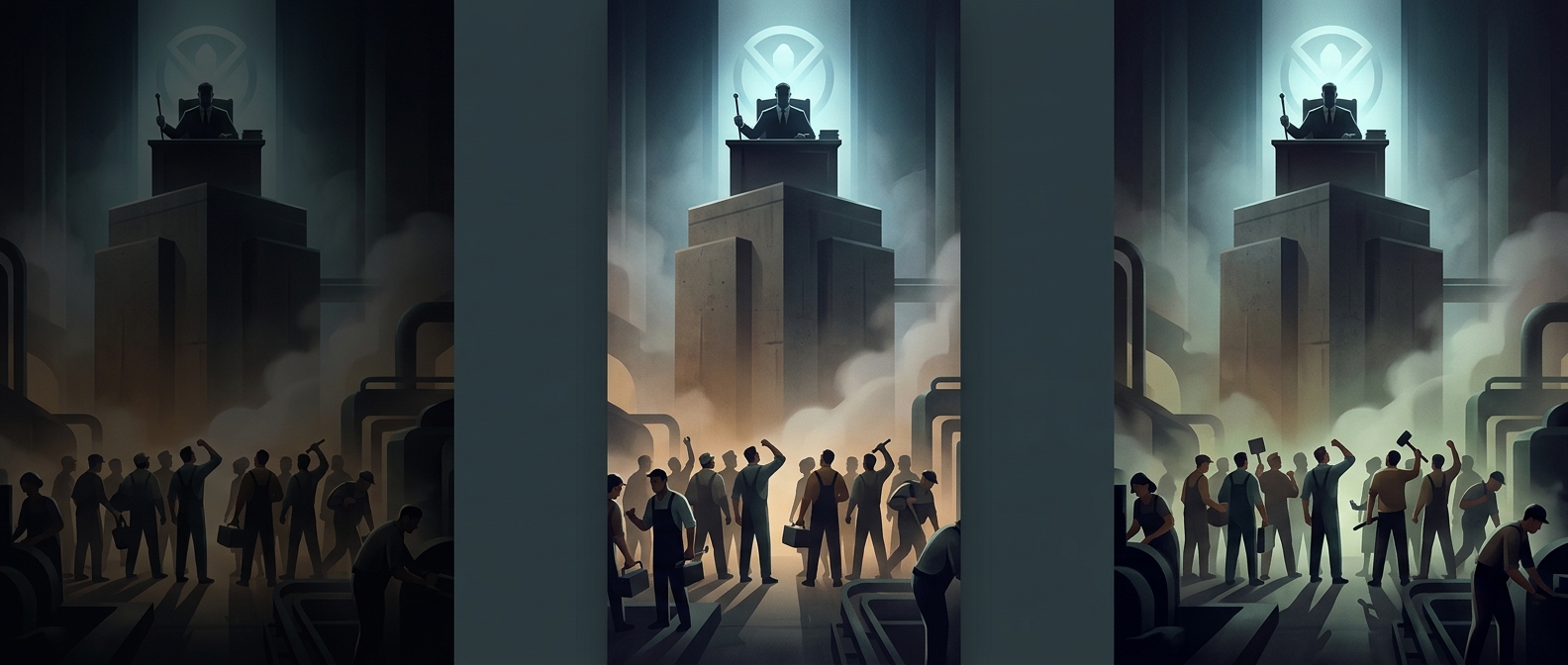
Why war is a negative-sum contest
In a zero-sum contest, one side’s gain is matched by the other side’s loss. War can be worse than that: the fighting itself destroys value. Weapons and fuel are used up, workers are pulled from ordinary production, and damaged homes, factories, bridges, and power lines become costly or impossible to use. The result is a smaller pool of resources for everyone to divide.
That is what economists mean by a negative-sum game. A country may achieve its military aim or gain territory, but the victory does not restore the people, equipment, or productive capacity consumed to secure it.
The bill continues after the fighting
Damage is only part of the cost. Governments may borrow heavily to pay for war, leaving future taxpayers with interest bills. Businesses delay investment amid danger and uncertainty; families lose income, homes, or the ability to work. Rebuilding can create jobs, but it uses labor and materials that could otherwise have built new housing, schools, or businesses. Repairing a destroyed bridge restores a route—it does not make the destruction economically worthwhile.
The losses are not shared evenly. Some firms earn money supplying the military, and a victorious government may gain security or political leverage. Those benefits can matter greatly to the people who receive them. But they do not automatically outweigh the broader damage, and a relative advantage over an opponent is not the same as greater prosperity than before the war.
Victory is not a reset
A battlefield outcome answers who prevailed, not whether the societies involved are richer. Even the winner may emerge with debt, damaged infrastructure, displaced people, and fewer resources for civilian life. The stark economic point is that a war can settle who controls what while leaving both sides with less to build on than they had before.