A secret can add weight to an ordinary climb
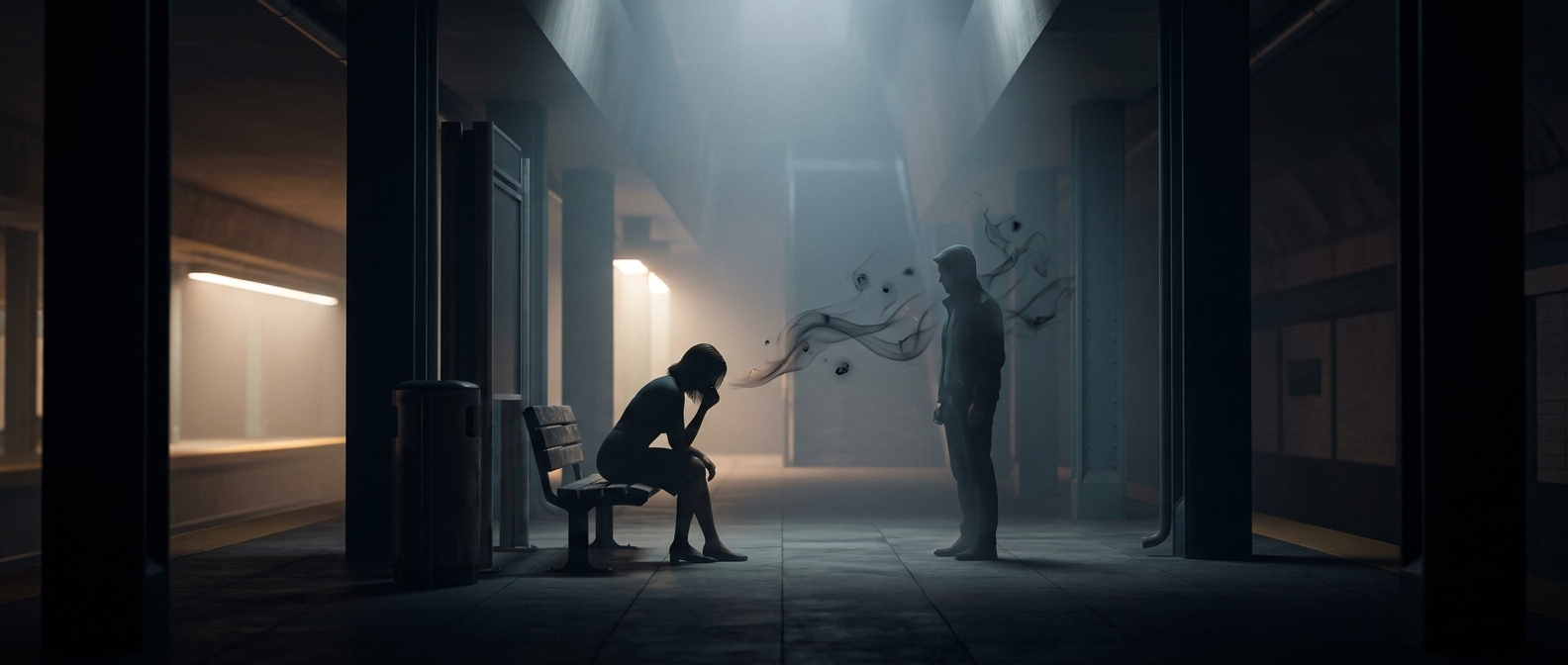
A hill’s physical slope stays the same, but the effort it seems to demand can shift with your mental state. Keeping a secret often requires ongoing self-monitoring: you may rehearse what to say, notice questions that could expose it, and stop yourself from speaking freely. That work uses attention that might otherwise stay on the walk.
How mental effort changes perceived effort
The brain does not experience exertion as a direct readout of muscle activity. It combines bodily signals—such as breathing and fatigue—with attention, expectations, and competing demands. When your mind is occupied, the same sensations from your legs and lungs can feel more burdensome because less attention is available to treat them as background.
The secret is not literally adding weight to your body, and the hill is not becoming steeper. Instead, the climb is being judged while another task is still running in the background. That can make each stretch feel like more work, much as a familiar chore can seem harder when you are distracted or stressed.
The burden depends on what the secret demands
Not every private thought requires the same effort. A secret that is easy to set aside may have little effect; one that prompts worry, vigilance, or repeated decisions can occupy more attention. The key is the mental work of managing the secret, not secrecy as a magical force.
That distinction explains the striking mismatch: your body is climbing one hill, while your attention is also managing a second, invisible task. When the secret stops demanding constant monitoring, the path may feel lighter—even though its incline has not changed.