Why planets sometimes seem to reverse direction
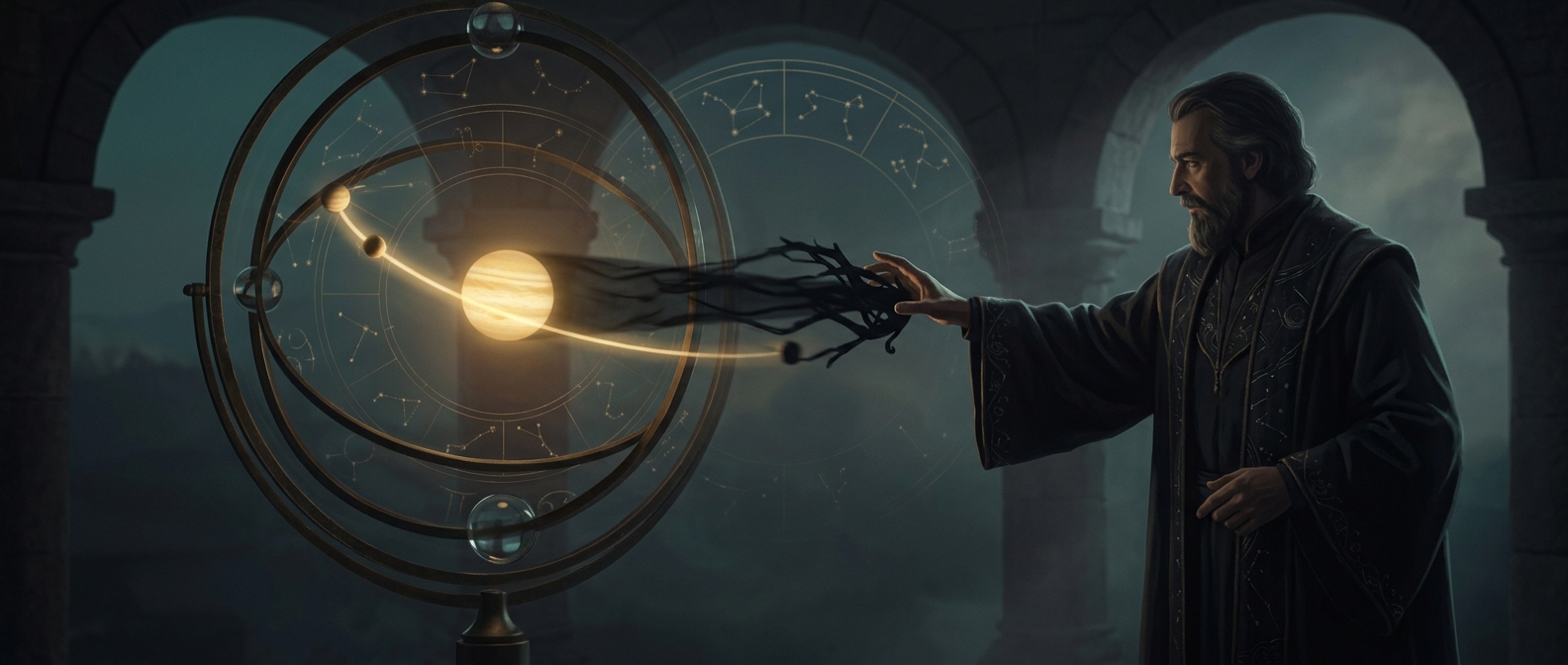
A planet in retrograde has not turned around. It only appears to drift backward against the background stars when viewed from Earth. The effect comes from the planets’ different speeds and paths around the Sun, much like a slower car seeming to slide backward when a faster car passes it.
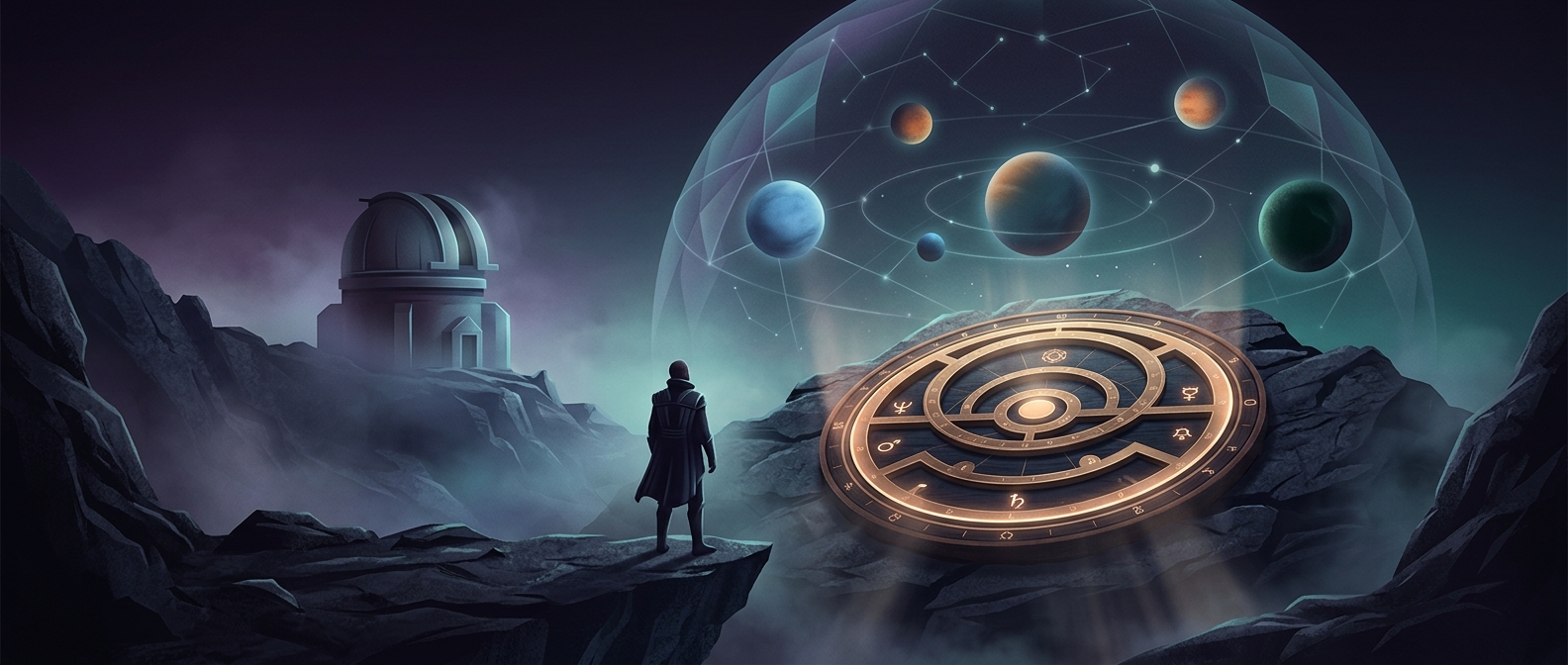
Earth and the other planets orbit in roughly the same broad plane, but they travel at different distances from the Sun and at different speeds. When Earth overtakes an outer planet, that planet can appear to move backward for a time before resuming its usual eastward course. Inner planets, such as Venus, show the effect differently: their apparent backward motion occurs as they pass between Earth and the Sun in their faster, closer orbit.
What retrograde means in astrology
Astrology treats a planet’s apparent reversal as symbolically meaningful, assigning different themes to different planets. In that framework, Venus is associated with love, values, and money, while Mars is associated with energy and conflict. A Venus retrograde might therefore be blamed for spending or relationship trouble; a Mars retrograde, for arguments or frustration.
That interpretation is a matter of astrological belief, not a physical effect of a planet changing course. The astronomical motion is predictable and arises from the changing vantage point of Earth. Still, because each planet has its own recurring retrograde period, the symbolic system always has another celestial event available to explain why a day—or a relationship, budget, or argument—went sideways.