The Tax Follows the Purchase
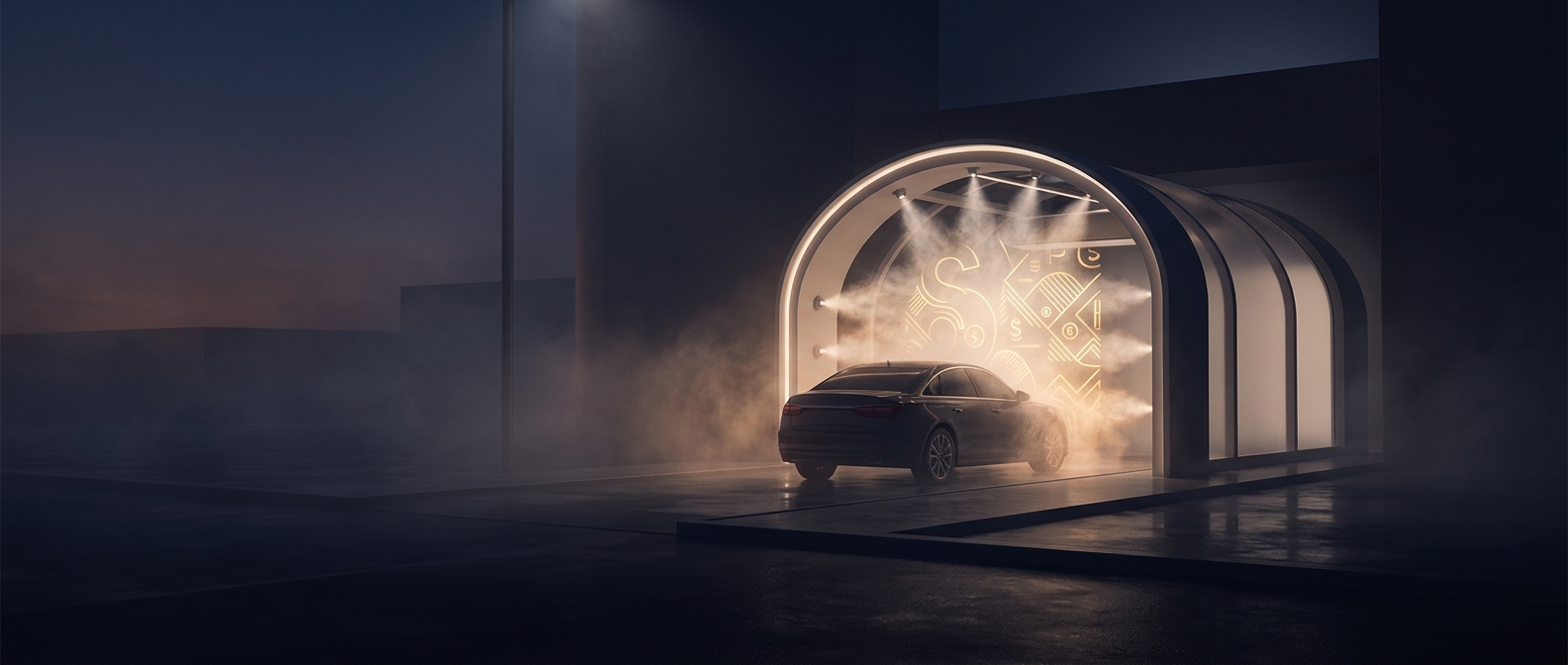
The state treats an automated car wash as a paid service: a customer pays a business to clean the car, and tax is applied to that transaction. Washing at home is a different kind of purchase. The customer does the work and buys the supplies, so any tax applies to those goods rather than to a washing service.
The distinction is about what changes hands, not about whether a car ends up clean. A machine may do much of the physical work at a commercial wash, but the customer is still buying a service from the operator.
One Clean Car, Two Taxable Transactions
This difference is a small example of how tax systems draw boundaries between services and products. The automated wash operator collects the tax on the paid wash and passes it along to the state. At home, the customer avoids paying for that service but may pay tax when purchasing soap or other supplies.
That means doing the job yourself can change where the tax appears, but it does not necessarily make the underlying activity tax-free. The tax follows the transaction the customer chooses: a wash from a business, or supplies for a wash at home.